
Picking
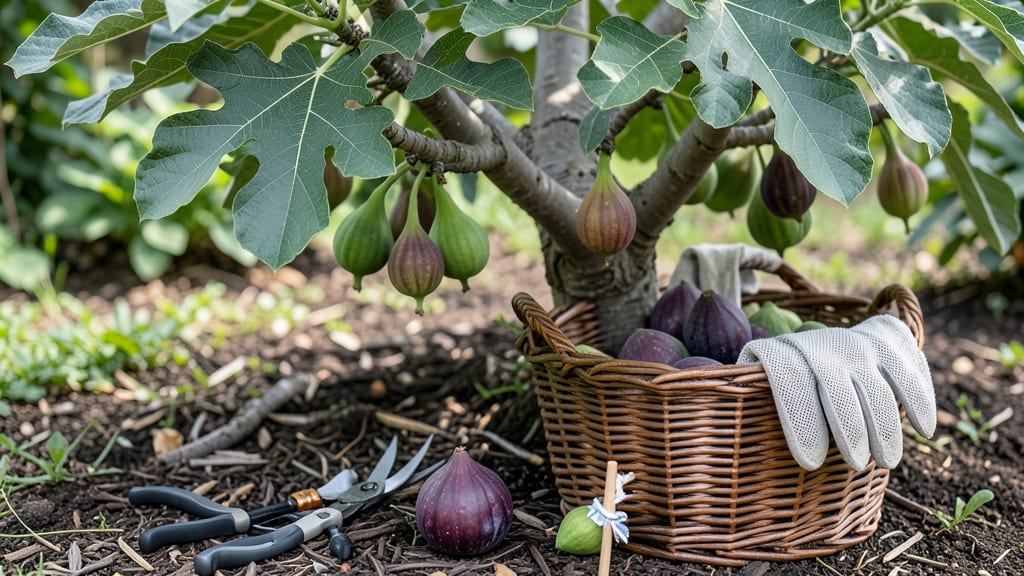
Harvesting a fig tree at the right time means the difference between sweet, juicy fruit and bitter, underripe disappointment.
Picture this: you’ve waited months for your 🍈 to ripen, only to pick them too soon and end up with a harvest that’s still hard or bland. Or worse, you wait too long, and the birds get there first.
The key is knowing the exact signs—color shifts, texture changes, and even the way they respond when you gently tug.
Fig trees thrive in USDA Zone 6a, but timing varies by variety and climate. Whether you’re growing 'Brown Turkey' or 'Chicago Hardy,' understanding when to harvest ensures you get the best flavor and avoid common mistakes that waste your hard work.
Below, I’ll walk you through the color cues, firmness tests, and taste checks that guarantee a perfect harvest—plus how to handle post-pick care so your figs stay fresh longer.

How to identify the perfect fig harvest time by color and size
Fig trees reward patience with sweet, honey-like fruit—but timing is everything. Harvesting too early means tart, mealy figs, while waiting too long risks overripe, bird-attracting messes. The key lies in watching for color shifts and size cues that signal peak ripeness.
Different varieties mature at different rates, so knowing your tree’s specific variety is half the battle.
Most figs start green but transition to deep purple, brown, or pink hues when ripe. However, color alone isn’t enough—you’ll also need to check firmness and diameter.
A ripe fig should feel soft to the touch but not mushy, with a diameter of 1.5 to 3 inches depending on the variety. Ignoring these signs often leads to premature harvesting, leaving you with fruit that lacks sweetness.
Here’s a quick reference to help you spot the perfect harvest window for your fig tree:
| Variety | Ripeness Color | Size (Diameter) | Firmness Test | Harvest Time |
|---|---|---|---|---|
| Brown Turkey | Deep purple-brown | 2-3 inches | Yields slightly under pressure | Late August to October |
| Celeste | Pinkish-white | 1.5-2 inches | Soft but not mushy | July to September |
| Black Mission | Deep purple-black | 2.5-4 inches | Firm with slight give | September to October |
| Chicago Hardy | Green turning yellow-brown | 1.5-2.5 inches | Soft and yielding | August to September |
| Desert King | Greenish-yellow | 1-2 inches | Very soft, almost squishy | July to August |
For Brown Turkey figs, wait until they turn a deep purple-brown and reach 2-3 inches in diameter. These figs are one of the most popular varieties because they’re sweet and versatile, but rushing the harvest can leave you with a bitter aftertaste.
Similarly, Celeste figs shift to a pinkish-white hue—harvesting them earlier means missing out on their delicate, honey-like flavor.
One common mistake is harvesting figs based solely on color changes without checking firmness. A fig might look ripe but still feel hard or rubbery inside. Always give it a gentle squeeze—ripe figs should yield slightly but not collapse under pressure.
Overripe figs, on the other hand, will feel mushy and split open, making them prime targets for birds and pests.
Another critical sign is how easily the fig detaches from the branch. A ripe fig should pull away with a gentle tug, while an unripe one will stay firmly attached. If you’re struggling to remove it, wait a few days.
This stem separation is a foolproof indicator that the fig is ready to be picked. Ignoring this cue often leads to underripe harvests that lack flavor.
Climate also plays a role in harvest timing. In warmer climates (USDA Zones 8-10), figs may ripen earlier, sometimes as early as July. In cooler zones (USDA Zones 6-7), wait until late August or September to avoid frost damage.
Always monitor your local frost dates to plan your harvest window accordingly.
Pro tip: If you’re unsure whether a fig is ready, taste one. A ripe fig should be sweet with minimal tartness, while an unripe fig will taste mealy and bland.
This simple taste test is the ultimate ripeness check—don’t skip it! Once you’ve mastered these cues, you’ll never miss the perfect moment to harvest your fig tree again.
🍈
Texture and taste tests: the ultimate ripeness check before picking
Nothing beats the satisfaction of biting into a perfectly ripe fig—juicy, sweet, and bursting with flavor. But how do you know when your figs are truly ready? Texture and taste are your best friends here.
Unlike color alone, these methods give you a foolproof way to determine ripeness, especially since varieties like 'Brown Turkey' or 'Celeste' can look ready before they actually are.
Start by gently squeezing a fig between your thumb and forefinger. A ripe fig should feel soft but firm, almost like a ripe peach—it gives slightly under pressure but doesn’t feel mushy.
If it’s hard as a rock, it’s too early, and if it’s squishy or leaking, it’s overripe. This firmness test works for almost all varieties, but warmer climates can speed up ripening, so check figs more frequently in USDA Zones 8-10.
Next, perform the taste test. Cut a fig open and sample a small piece. A ripe fig should taste sweet with minimal tartness. If it’s overly tart or bland, it’s not ready yet.
Varieties like 'Chicago Hardy' tend to be sweeter when fully ripe, while others like 'Desert King' might have a slightly honeyed flavor. Climate plays a role here—figs in cooler zones may develop more complex flavors as they ripen slowly.
⚠️ WARNING: Overripe vs. Ready-to-Pick Don’t confuse overripe figs with perfectly ripe ones! Overripe figs often have wrinkled skin, a fermented smell, and may even fall off the tree on their own. These are past their prime and best used immediately or composted.
Meanwhile, a ready-to-pick fig will detach easily when you gently tug it from the branch—no force needed! If it resists, wait another 2-3 days for it to soften further.
Here’s a pro tip: Harvest in the morning when temps are cooler. Figs picked in the heat of the day can spoil faster due to ethylene gas buildup, which speeds up ripening. Store them in a paper bag at room temperature for 1-2 days to ripen further if needed.
For varieties like 'Osborn Prolific', which produces two crops per year, timing is critical—don’t mix up the breba figs (first crop) with the main season harvest!
If you’re unsure, pick a few figs and let them ripen indoors. Monitor them daily—they’ll soften and sweeten over 24-48 hours. This hands-on approach ensures you never miss the peak ripeness window.
And remember, patience pays off—figs that ripen on the tree taste far superior to those picked too soon!
For container-grown figs, ripening cues are the same, but check more often since potted trees can dry out faster. If your figs are smaller than a golf ball (about 1-2 inches wide), they’re likely not ready yet.
Aim for 2-3 inches in diameter for the best flavor. With these tests, you’ll never second-guess your harvest again!