
How To
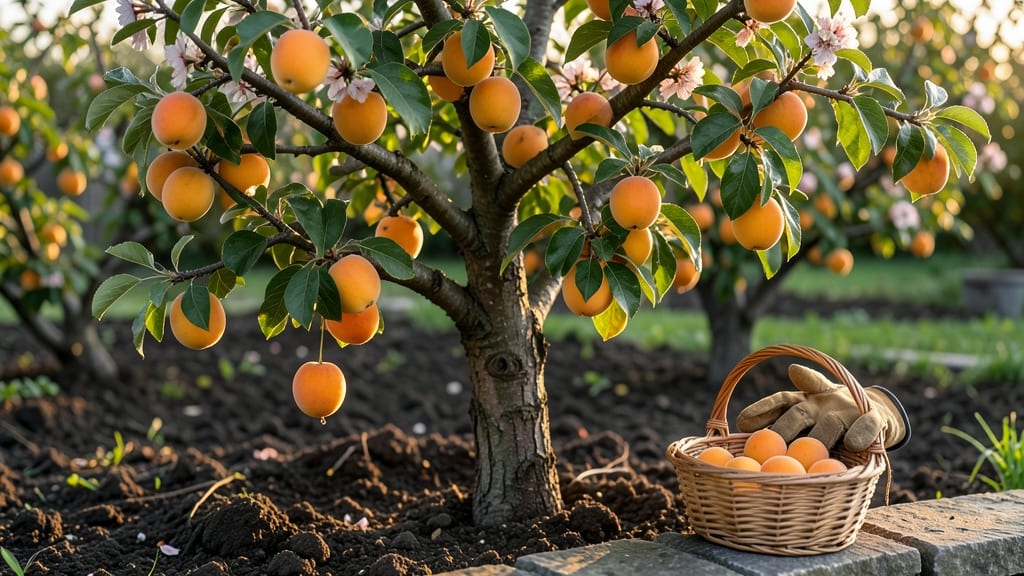
Harvesting apricots at the right time means the difference between sweet, juicy perfection and mealy disappointment—so timing is everything for flavor and shelf life.
Picture this: you’ve been waiting months for your 🍑 to ripen, only to pick them too soon and end up with bland, underripe fruit. Or worse, you leave them too long, and they turn mushy on the tree.
The key is knowing when that perfect balance of color, scent, and firmness signals "now’s the time!"
Most apricots in Zone 6a are ready between mid-July and August, but don’t rely on the calendar alone. Instead, focus on visual cues like deep yellow-orange skin, a slight give when gently squeezed, and a fragrant aroma.
Even the stem’s behavior can tell you whether your fruit is ready to pick.
In this guide, I’ll walk you through the exact tests to use—from the stem twist trick to color changes—so you never miss the window. You’ll also learn how to handle post-harvest storage for the freshest, most flavorful apricots all season long.

How to identify perfectly ripe apricots using color and firmness
When your apricot tree bursts into vibrant yellow-orange hues, it’s tempting to grab every fruit—but not all are ready! The perfectly ripe apricot balances color intensity, gentle softness, and a sweet, floral aroma.
Mastering these visual and tactile cues ensures you pick fruit at its peak, avoiding the mealy texture of overripe apricots or the tart disappointment of underripe ones.
Apricots ripen unevenly, so check your tree every 2-3 days during peak season (July-August in most U.S. growing zones). Start by examining the skin color, which shifts from green to golden yellow and finally to a deep orange-red blush.
The intensity of this color varies by variety and climate—cooler regions may produce fruit with a softer orange hue, while hotter areas yield brighter, more vibrant tones.
| Ripeness Cue | Visual/Tactile Sign | Harvest Ready? |
|---|---|---|
| Color Change | Fully yellow/orange with deep blush (no green patches) | ✅ Yes |
| Firmness Test | Yields slightly to gentle thumb pressure (like a ripe peach) | ✅ Yes |
| Stem Resistance | Separates cleanly with a twist (no force needed) | ✅ Yes |
| Aroma | Sweet, floral scent near the stem | ✅ Yes |
| Not Ready Signs | Green patches, hard texture, or no scent | ❌ No |
Pay close attention to the blush intensity—this is your best indicator of ripeness. In Blenheim apricots, look for a deep orange-red blush covering at least 50% of the fruit. For Royal apricots, the blush may be more golden-yellow with peach-like tones.
If the fruit still has green shoulders or a pale yellow base, it needs 3-5 more days on the tree.
Next, perform the gentle pressure test: press your thumbnail into the apricot’s skin. A ripe apricot will yield slightly (like pressing a ripe peach) but won’t feel mushy. If it springs back immediately, it’s underripe.
If it leaves a deep dent, it’s overripe and may spoil quickly. This tactile test is especially critical in hot climates, where apricots ripen faster and can overmature in days.
Don’t overlook the stem twist test, a foolproof method to avoid damaging the fruit. Gently grasp the apricot near its stem attachment and twist it side-to-side. A ripe apricot will detach cleanly with minimal resistance.
If the stem snaps off or requires force, the fruit isn’t ready. This test also helps you avoid bruising, which shortens shelf life.
Regional climate plays a huge role in ripening timing. In cooler zones (USDA 6a-7a), apricots may take 10-14 days longer to ripen than in hotter zones (USDA 8b-9a).
For example, California apricots often ripen by late June, while Midwest trees may not reach peak ripeness until early August. Monitor your local frost dates—if a late frost is forecast, harvest early to prevent damage.
Once you’ve identified ripe apricots, handle them with care to preserve their flavor and texture. Place them in a single layer in a paper bag at room temperature to ripen further if needed.
Avoid refrigerating until fully ripe, as cold temperatures can turn their flesh mealy. With these cues, you’ll never miss the perfect harvest window again!
Pro tip: Harvest in the morning when temperatures are cooler. This reduces bruising and helps the fruit retain moisture longer. Store harvested apricots in a cool, dry place (like a fruit crate) for up to 5 days—or enjoy them fresh for the best flavor.
🌱
The stem twist test and other pro tips for harvesting apricots
Harvesting apricots at the perfect moment ensures maximum sweetness and texture. The stem twist test is my go-to method for determining ripeness, but it's not the only trick. Understanding how apricots detach from the tree and recognizing subtle visual cues can help you avoid both underripe and overripe fruit.
Start by examining the fruit's stem attachment. A ripe apricot should separate easily when you gently twist the fruit while holding the stem. This shoulder separation is a clear sign that the fruit is ready.
If the stem snaps instead of twisting, the fruit may still need time to ripen.
⚠️ WARNING: Harvesting Too Late or Too Early Harvesting apricots too early results in tart, hard fruit with poor flavor, while waiting too long leads to overripe, mealy texture and potential pest attraction.
The stem twist resistance should be minimal—if it feels like you're forcing the fruit off, it's not ready yet. Conversely, if the fruit falls off with almost no resistance, it's past its prime. 🍑
Another pro tip is the finger pressure test. Gently press the apricot with your thumb—ripe fruit will yield slightly but still feel firm. If it's rock-hard, it needs more time; if it's mushy, it's overripe. This tactile check works best when combined with the stem twist method for accuracy.
Pay attention to the fruit's color and aroma as well. Ripe apricots develop a vibrant orange-yellow hue and emit a sweet, fragrant scent. If the fruit still has green patches or lacks aroma, it's not ready.
The shoulder of the fruit (where it meets the stem) should also be slightly enlarged—a sign of full ripeness.
For late-season harvesting, watch for fruit detachment patterns. If apricots start falling on their own, they're likely overripe. In this case, harvest immediately to prevent spoilage. Store any slightly underripe fruit at room temperature to finish ripening—never refrigerate until fully ripe.
Timing your harvest correctly ensures you enjoy apricots at their peak. Combine the stem twist test, pressure test, and visual cues for foolproof results. With practice, you'll develop an instinct for the perfect moment to pick—transforming your apricot harvest into a sweet, flavorful success. ☀️