
How To
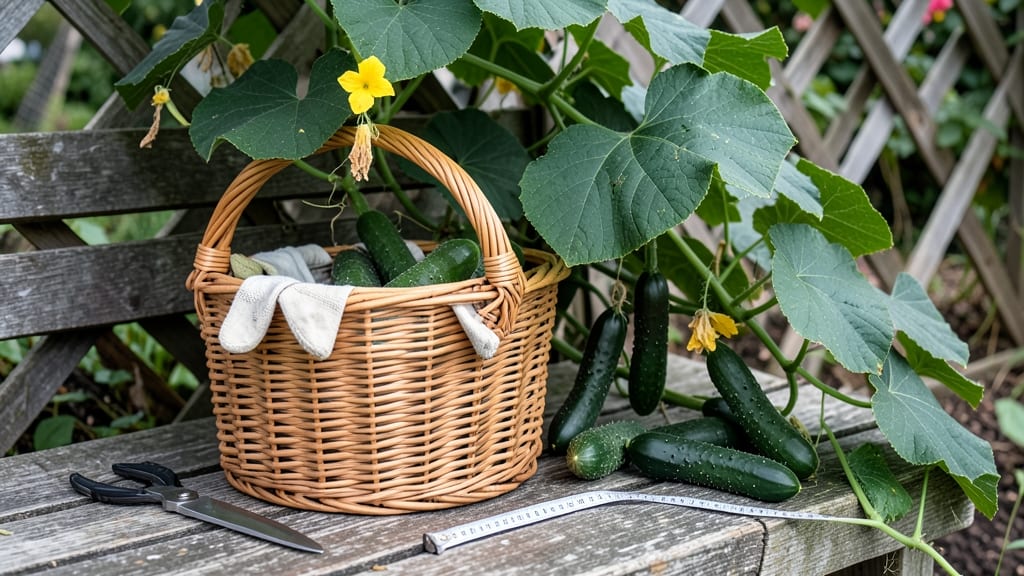
Harvesting Boston pickling cucumbers at the right moment ensures crisp, seedless perfection 🥒—and missing that window means rubbery, bitter fruit that ruins your pickles.
If you’ve ever plucked a cucumber too late, only to find it seedy and tough, you know timing is everything. These cucumbers grow fast, but they demand precision—wait too long, and you’ll sacrifice flavor and texture for nothing.
Below, I’ll walk you through the three tactile tests to nail the perfect harvest: size, firmness, and color cues that guarantee the best yield. Plus, I’ll share the most common mistakes (and how to avoid them) so your garden produces pickles that taste like summer.
Whether you’re a first-time gardener or a seasoned grower, these tips will help you harvest at the ideal stage—every time. Let’s get started.

3 Tactile tests to harvest Boston pickling cucumbers at peak crispness
Boston pickling cucumbers are famous for their crisp texture and perfect size for pickling—but only if you harvest them at the right moment. Waiting too long turns them rubbery or bitter, while picking too early means missed yield.
The key is using your hands and eyes to test three critical ripeness cues before snipping. These tactile tests help you avoid the seedy, overgrown cucumbers that spoil your pickles.
I’ve learned the hard way that color, size, and firmness work together to signal peak ripeness. A cucumber that’s deep green, 2-4 inches long, and just slightly yielding when pressed is your golden ticket to crisp, seedless perfection.
Master these tests, and you’ll enjoy a steady harvest of pickle-ready cucumbers all season long.
Here’s how to apply these tests in your garden—no guesswork required.
Measure cucumbers from blossom end to tip. Smaller than 2 inches means they’re underripe, while longer than 4 inches signals overgrowth and bitterness.
Gently press a cucumber with your thumb. It should feel firm but slightly yielding, like a ripe avocado. If it’s rock-hard, wait a few days. If it’s mushy, it’s past its prime.
Look for a uniform deep green hue. Pale or yellowing spots mean the cucumber is overripe. No streaks or blemishes indicate freshness and optimal texture for pickling.
Pro tip: Harvest in the morning when cucumbers are cool and crispest. Use clean pruning shears or sharp scissors to avoid damaging the vine, and always cut just above a leaf node to encourage more fruit production.
If you miss the window and cucumbers grow beyond 4 inches, don’t toss them! They’re still edible raw but lack the ideal texture for pickling. For future reference, mark your calendar 45-55 days after planting—this is when Boston pickling cucumbers typically reach peak ripeness.
Over time, you’ll develop an instinct for the perfect moment to harvest. But until then, trust these three tactile tests to guide you. Your future batches of homemade pickles will thank you!
Remember: The goal is consistent, frequent harvests to keep your plants productive. Check your vines every 2-3 days during peak season (June-August) to avoid overcrowding and ensure every cucumber reaches its prime.
🌱
Size matters: ideal dimensions for Boston pickling cucumbers by variety
Not all Boston pickling cucumbers are created equal—each variety has its own ideal harvest size that impacts texture, flavor, and yield. Understanding these dimensions helps you pick cucumbers at their peak for crisp, seedless pickles.
The ‘Boston Pickling’ classic and its relatives like ‘Boston Marathon’ thrive when harvested within a tight window, but their perfect sizes differ slightly.
For ‘Boston Pickling’, aim for 2–3 inches in length. This ensures a tender, crisp fruit with minimal seeds. Larger cucumbers (over 4 inches) develop tougher skin and bitter flavors, while undersized ones (under 2 inches) lack full flavor potential.
The ‘Boston Marathon’ variety, bred for endurance, follows a similar rule but can tolerate a slightly broader range of 2–4 inches without sacrificing quality.
| Variety | Ideal Harvest Size | Texture Notes | Yield Impact |
|---|---|---|---|
| Boston Pickling | 2–3 inches | Extra crisp, minimal seeds | High; encourages prolific production |
| Boston Marathon | 2–4 inches | Firm but slightly softer | Very high; bred for endurance |
| National Pickling | 1.5–2.5 inches | Ultra-crisp, delicate skin | Moderate; smaller plants |
Harvesting at the right size isn’t just about length—diameter matters too. For all Boston varieties, the cucumber should measure 1–1.5 inches in width. Thicker cucumbers (over 1.5 inches) often signal overmaturity, leading to a woody texture and larger seeds.
Use your fingers to gently press the cucumber: it should yield slightly, like a ripe avocado, without feeling mushy.
Pro tip: Harvest frequency directly impacts size. If you wait too long between pickings, cucumbers will outgrow their ideal dimensions. Aim to harvest every 2–3 days during peak production to maintain consistent sizing.
This not only improves texture but also boosts plant productivity, as the vine focuses energy on producing more cucumbers instead of overdeveloping a few.
Variety also affects harvest timing after flowering. Most Boston types are ready 50–60 days post-flowering, but ‘National Pickling’ matures faster (around 45 days). Mark your calendar or set reminders to avoid missing the window—once cucumbers exceed their ideal size, they’ll quickly become unpalatable for pickling.
Remember, color consistency is your final check. At harvest size, Boston pickling cucumbers should be a deep, even green. Pale or yellowing spots indicate overripeness, while uneven color can signal stress or disease. Combine size, firmness, and color cues for foolproof harvesting every time.