
Vegetables
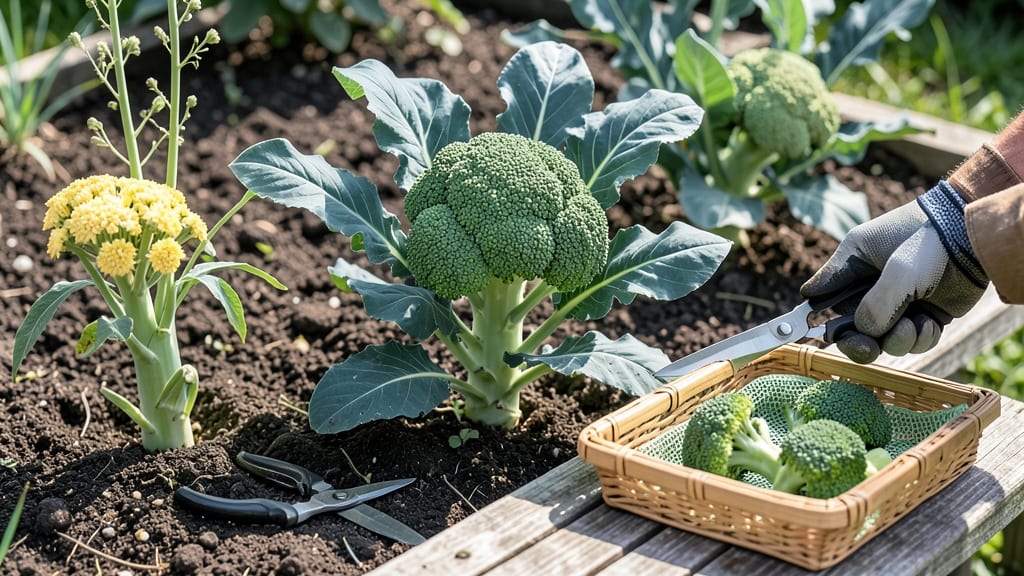
Harvesting broccoli at the right time means crisp, flavorful florets 🥦 — but wait too long, and you’ll end up with tough stems or bitter buds.
Most gardeners miss the perfect window because they rely on guesswork instead of simple tactile tests. A firm head, tightly closed buds, and a clean stem snap are all clues your broccoli is ready—before it bolts into overgrowth.
In USDA Zone 6a, your spring-planted broccoli will reach peak harvest between June and August, but timing depends on variety and weather. Learn how to read your plants so you never miss another harvest.
Below, I’ll walk you through three foolproof tests to determine when to cut, plus how to extend your harvest by encouraging side shoots for weeks of fresh florets.

3 Tactile tests to determine perfect broccoli harvest timing
Harvesting broccoli at the right moment transforms your garden into a flavor powerhouse. The difference between crisp, sweet florets and bitter, woody stalks often comes down to timing. Relying on days since planting alone misses the mark—your broccoli's readiness depends on physical cues you can feel and see.
These tactile tests will help you pinpoint the exact moment to harvest, ensuring maximum flavor and texture.
Most gardeners wait too long, letting broccoli heads loosen and yellow, or harvest too early when florets are underdeveloped and pale. The key is checking three specific aspects: floret firmness, bud tightness, and stem resilience.
Each test takes less than 10 seconds but saves you from wasted effort. Let’s dive into how to use these hands-on methods to perfect your harvest timing.
Press a floret gently—it should feel firm but slightly yielding, like a ripe avocado. If it springs back when released, it’s not ready.
Squeeze the smallest buds at the head’s center. They should stay closed and compact. If buds open easily, the head is overripe.
Gently bend the main stem near the base. It should snap cleanly like a fresh asparagus stalk. If it bends without snapping, wait 1-2 days.
Start with the floret firmness test—this is your first clue. Run your thumb over the florets; they should feel smooth and slightly resilient, not hard or mushy. Think of it like testing a ripe peach: gentle pressure gives way slightly.
If you press and the floret doesn’t yield at all, it’s premature. Conversely, if it feels soft or hollow, you’ve missed the window.
Next, perform the bud tightness test on the smallest buds at the center of the head. These buds are the most sensitive indicators of maturity. If they’re closed and tightly packed, your broccoli is ready.
Pro tip: Use your fingernail to gently probe the buds. If they resist opening, harvest immediately. If they spring open under pressure, the head has already peaked.
The stem snap test is often the most reliable method, especially for larger varieties like Calabrese. Hold the stem about 2 inches below the head and bend it slightly. A clean snap means the plant is directing energy to the head, not the stem.
If the stem bends without breaking, the head isn’t mature yet. This test also helps you avoid pulling too hard, which can damage the plant.
Avoid these common mistakes that throw off your timing: harvesting based on head size alone (some varieties mature at 4 inches, others at 6+ inches), ignoring color changes (yellowing florets mean it’s past prime), or skipping the tactile tests in favor of guesswork.
Even experienced gardeners fall into these traps—don’t let your broccoli become a lesson in what not to do!
Once you’ve confirmed all three tests, it’s time to harvest. Use a sharp knife or pruning shears to cut the stem about 5-7 inches below the head. This leaves room for side shoots to develop, giving you a second harvest in 2-3 weeks.
After cutting, rinse the head gently and store it in the fridge for up to 5 days, or blanch and freeze for long-term storage.
Timing your harvest correctly isn’t just about avoiding bitter florets—it’s about maximizing your plant’s potential. When you master these tactile tests, you’ll double your yield by encouraging side shoots and extend your harvest season by weeks.
Plus, there’s nothing like the satisfaction of biting into a perfectly crisp broccoli floret you harvested at peak maturity.
Next time you’re in your garden, take a moment to feel your broccoli before you cut. Your hands know best—and so does your broccoli! 🥦✂️
How overgrowth ruins broccoli flavor and how to prevent it
Once your broccoli plant reaches maturity, it enters a critical phase where overgrowth can quickly turn sweet florets into bitter, woody messes. This happens when the plant bolts—a process where it focuses energy on flowering instead of producing edible heads.
The result? Tough stems and unpleasant flavors that ruin your harvest.
Bolting is triggered by heat stress, drought, or overcrowding. If you notice yellowing leaves or flower stalks shooting up, your broccoli has already passed its prime.
The good news? With the right pruning techniques, you can coax side shoots for a second harvest and avoid wasting your garden space.
Broccoli heads left on the plant for more than 3-4 days after maturity will convert starches to sugars, creating a bitter, woody taste. Once buds loosen or yellow, the plant shifts focus to flowering, and the nutritional quality drops. Use the stem snap test daily to catch the perfect harvest window.
To prevent bolting, start by thinning seedlings to give plants 12-18 inches of space. This reduces competition for water and nutrients, which are critical during hot summer months. Also, mulch around the base to retain moisture and cool roots.
If your garden gets intense afternoon sun, consider providing light shade with a row cover during peak heat.
When you harvest the main head, don’t toss the plant! Cut the stem 6 inches below the floret to encourage side shoot growth. These smaller shoots will produce mini broccoli heads over the next 4-6 weeks.
For best results, fertilize lightly with a balanced 10-10-10 mix after harvesting the main head to support new growth.
Watch for signs of stress like yellowing leaves or stunted growth, which signal the plant is struggling. Adjust watering immediately if soil feels dry 1 inch below the surface.
In cooler climates, you can extend the harvest season by planting successive crops every 2 weeks from spring to early summer.
With these strategies, you’ll avoid the bitter aftermath of overgrowth and enjoy multiple harvests from a single plant. Plus, your broccoli will stay crisp, sweet, and vibrant—just like the freshest market finds. Happy pruning! ✂️