
Vegetables
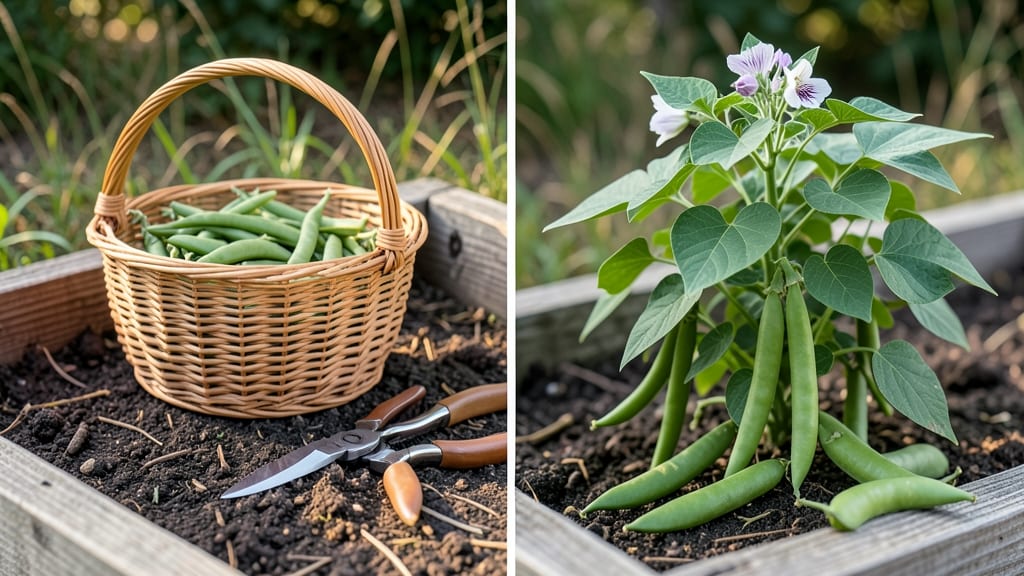
Harvesting bush green beans 🌱 at the right time means the difference between crisp, sweet pods and tough, stringy ones you’ll regret picking.
If you’ve ever wondered why your bush green beans turn tough or stringy, timing is everything—harvesting at the exact right moment ensures crisp, flavorful pods every time.
Most gardeners know these beans thrive in July through September, but the key isn’t just the month—it’s the pod’s size, color, and texture. A 4-6 inch pod that snaps easily when bent is your cue to pick, while waiting too long means bitter, woody beans.
Below, I’ll break down the perfect signs to harvest, how often to pick for maximum yield, and what happens if you miss the window—so you never waste another harvest again.


The perfect signs your bush green beans are ready to harvest
Harvesting bush green beans at the right moment transforms your garden bounty from bland to bursting with flavor. The key lies in watching for subtle visual and tactile cues that signal peak ripeness.
Unlike their pole bean cousins, bush beans mature quickly—often in just 50-60 days—so timing is critical. Miss the window, and you’ll end up with tough, stringy pods that taste more like cardboard than crisp vegetables.
Start by examining the pod length, which is your first reliable indicator. The ideal harvest size for bush beans falls between 4 to 6 inches. At this stage, the pods are plump, tender, and packed with nutrients.
If you harvest too early (when pods are under 3 inches), they’ll be underdeveloped and lack sweetness, while waiting too long results in woody textures and bitter flavors.
Here’s where the 'crack test' comes into play—a simple but foolproof method gardeners swear by. Gently bend a pod near its middle. If it snaps cleanly with a slight crack, it’s ready for picking.
This sound and feel indicate the perfect balance of moisture and fiber. If the pod bends without snapping or feels rubbery, it’s past its prime and should be harvested sooner next time.
| Harvest Indicator | Description | Action |
|---|---|---|
| Pod Length | 4–6 inches long | Harvest immediately for tenderness |
| Pod Texture | Firm but not woody | Avoid if pods feel tough or dry |
| Crack Test | Snaps cleanly when bent | Perfect ripeness—harvest now |
| Seed Visibility | Seeds visible but not bulging | Ideal for fresh eating |
| Pod Color | Bright green, no yellowing | Discard if pods yellow or dull |
Don’t overlook the color of the pods, which should be a vibrant, uniform green. Any yellowing or dull patches are red flags that the beans have overstayed their welcome.
Additionally, check for seed development: at the perfect harvest time, seeds inside the pod are visible but not yet bulging. If the seeds look plump or the pod feels hollow when shaken, you’ve waited too long.
Morning is the best time to harvest bush beans because the pods are cooler and firmer, making them easier to pick without damaging the plant. Use a sharp pair of pruning shears or scissors to snip pods just above the plant’s main stem.
This encourages the plant to produce more beans, maximizing your yield. Avoid pulling pods by hand, as this can uproot the plant or leave behind damaged stems.
Pro tip: Harvest every 2-3 days during peak production to keep the plant focused on producing fresh pods. Skipping harvests forces the plant to divert energy into seed development, leading to tougher beans. Think of it like pruning—consistent attention rewards you with a longer, more productive harvest season.
Even if you can’t use all the beans immediately, storing them in the fridge for 5-7 days preserves their crispness.
If you’re growing multiple varieties, like Blue Lake or Contender bush beans, pay attention to their specific maturity rates. Some varieties mature faster (around 45 days) while others take closer to 60 days.
Always check the seed packet for variety-specific guidelines, but trust your senses first—they’re the most accurate tool in your gardening arsenal.
Finally, keep an eye on the weather forecast during harvest season. Hot, dry spells can accelerate bean maturation, while cooler temperatures slow it down. If a heatwave is forecasted, harvest more aggressively to avoid overripe pods.
Conversely, if rain is in the forecast, wait until the plants dry out slightly to prevent mold or rot during handling.
Mastering the art of harvesting bush green beans boils down to observation and consistency. The more you practice these visual and tactile checks, the more intuitive the process becomes.
Soon, you’ll be picking beans at their peak—crisp, tender, and packed with garden-fresh flavor—without even thinking about it. Happy harvesting! 🌱
How often to harvest bush green beans for maximum yield
Harvesting your bush green beans at the right frequency isn't just about getting a few pods—it's the secret to a longer harvest season and sweeter-tasting beans.
When you pick consistently, you encourage the plant to produce more pods, preventing it from focusing energy on overripe seeds that turn tough and stringy.
Most gardeners miss the mark by harvesting too infrequently, which leads to woody pods and wasted yield. The key is to check your plants every 2-3 days during peak production (typically July through September in most climates).
This rhythm keeps your plants productive and your table stocked with fresh, tender beans.
When you harvest every 2-3 days, you're essentially giving your plants a gentle nudge to keep producing. This method works because bush beans are determinate, meaning they set all their fruit at once.
If you let pods stay on the plant too long, the plant shifts energy from growing new beans to thickening seed walls, which makes them tough and less palatable.
I’ve found that morning harvests work best because the pods are cool and crisp. Plus, harvesting early in the day means you can enjoy your fresh beans at lunch or dinner.
If you wait until afternoon, the pods may already be overripe or even starting to dry out in the heat.
Don’t worry if you miss a day or two—your plants are resilient! Just resume your 2-3 day schedule as soon as you notice new pods forming. The key is consistency over perfection. Over time, you’ll develop a rhythm that keeps your plants happy and your harvest bountiful.
Pro tip: If you’re growing bush beans in containers, check them daily since they mature faster in confined spaces. Container-grown beans often need daily harvesting to prevent overcrowding and ensure all pods reach peak tenderness.