
How To
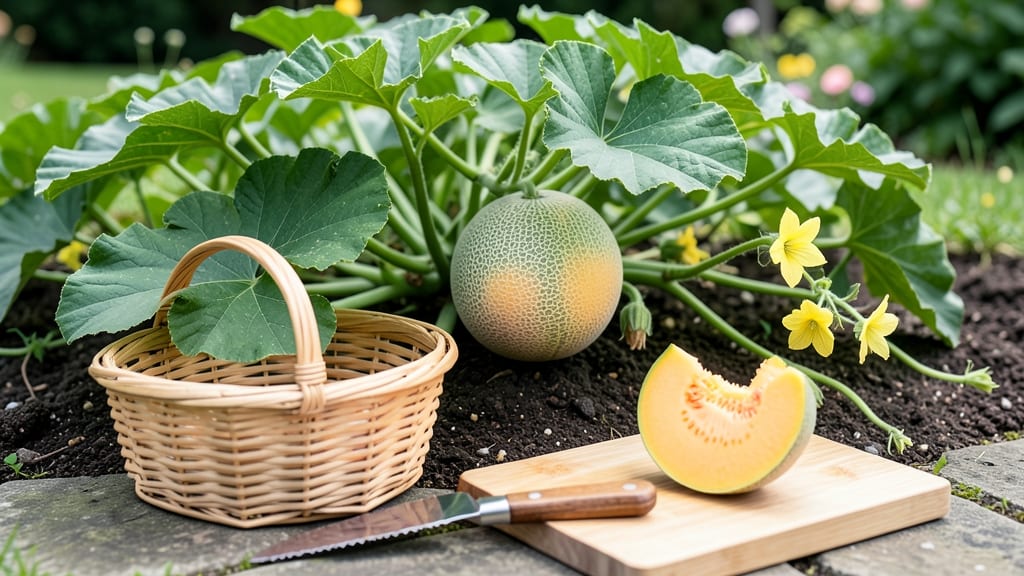
Harvesting cantaloupe at the right time means the difference between bursting sweetness and a bland, seedy disappointment.
Picture this: you’ve waited all summer for your 🍈 to ripen, only to slice into one that’s either rock-hard or mushy. The key? Knowing when to harvest cantaloupe—before the vine dries up or the fruit overripenes on the vine.
I’ve made those mistakes (twice), and now I’ve got the foolproof tests to get it right every time.
Most gardeners know cantaloupe thrives in USDA Zone 6a from April to May, but timing the harvest is where things get tricky. The fruit doesn’t ripen further after picking, so you’ve got a narrow window—usually July to August—to nail it.
Below, I’ll walk you through the three non-negotiable ripeness tests that guarantee you’ll pull the sweetest, juiciest cantaloupe from your garden.
Ready to avoid the guesswork? You’ll learn how to check for the right color, scent, and stem changes—plus how to tell if your cantaloupe is still too hard or already past its prime. No more wasted fruit, just perfect slices every time.


3 Visual and tactile ripeness tests for cantaloupe harvesting
Harvesting cantaloupe at the perfect moment transforms your garden labor into sweet, juicy rewards. But how do you know when that melon is ready? Unlike some fruits, cantaloupe doesn't ripen well after picking—so timing is everything.
I’ve learned the hard way that waiting too long means mushy overripe fruit, while harvesting too early delivers bland, seedy disappointment. The key lies in three simple ripeness tests that combine visual cues and tactile checks.
Start by examining the rind color, which shifts dramatically as the fruit matures. A ripe cantaloupe develops a creamy yellow or tan hue with a distinctive netted pattern near the blossom end. This isn’t just about color—it’s about texture too.
The rind should feel slightly firm but yield slightly when pressed. If it feels rock-hard or still pale, it needs more time on the vine. These visual and tactile clues work together to give you the confidence to harvest at peak sweetness.
🌱 3 Non-Negotiable Ripeness Tests
-
1. Rind Color & Pattern
Look for creamy yellow/tan with a netted pattern near the blossom end. Avoid pale green or white rinds. -
2. Stem & Vine Drying
The stem should slip easily when gently twisted and the vine near the fruit should turn brown/dry. -
3. Sweet Aroma & Weight
Sniff the blossom end—it should smell powerfully sweet. A ripe melon feels heavy for its size.
The rind pattern is your first clue, but don’t rely on it alone. Some cantaloupes develop color changes even when underripe, especially in hot climates. That’s why I always cross-check with the stem test.
Gently grasp the stem near the fruit and twist—if it separates cleanly with minimal resistance, that’s your signal to harvest. A green, firm stem means the fruit isn’t ready yet. This tactile check is foolproof because cantaloupe naturally detaches from the vine as it ripens.
Never underestimate the power of scent—a ripe cantaloupe emits an intoxicating sweetness at the blossom end. If you’re standing near the vine and can smell that honey-like aroma from a few feet away, your melon is ready. Pro tip: Use your nose before your hands.
Some gardeners make the mistake of cutting into cantaloupes too soon because they assume "big enough = ripe enough." But size alone is a poor indicator—always trust your senses over measurements.
Texture plays a crucial role too. A perfectly ripe cantaloupe feels heavy for its size because the flesh is dense with juice. Give it a gentle squeeze near the blossom end—it should yield slightly, like a ripe avocado, not feel hard or mushy.
If the fruit feels spongy or the rind gives too easily, it’s overripe. This tactile test is especially important for heirloom varieties, which often have thicker rinds and can fool color-based tests.
Regional differences matter when testing ripeness. In hot, dry climates, cantaloupes may ripen faster and develop deeper colors earlier. Conversely, in cooler regions, the rind might stay paler longer.
I’ve grown cantaloupe in both USDA Zone 7 and Zone 9, and the scent test remains the most reliable across climates. Always adjust your expectations based on your local growing conditions—what’s ripe in Arizona might need extra days in Michigan.
What about the blossom end? That’s where the magic happens. The spot where the flower was attached should be slightly soft and may even have a small brown scar. If this area feels hard or still green, the fruit isn’t ready.
This is another visual cue that’s often overlooked. Pay attention to these details—they’re nature’s way of telling you when to pick. Ignore them, and you risk harvesting fruit that’s either underdeveloped or overly fibrous.
Here’s a common mistake I see: gardeners wait until the vine completely dries up before harvesting. By then, the cantaloupe is often overripe. The ideal time is when the vine near the fruit starts drying but still has some green life.
This balance ensures you catch the melon at its peak. Remember, cantaloupes won’t ripen further after picking, so don’t wait for "perfect" conditions—trust the tests and harvest when they align.
For container-grown cantaloupes, these tests work the same way, but be extra vigilant. Limited root space can accelerate ripening, so check for readiness more frequently. If you’re growing muskmelons (a cantaloupe relative), the same rules apply, though their scent is often more floral.
The key takeaway? Combine all three tests—color, stem, and scent—before you cut that melon from the vine. Your taste buds will thank you.
How to check cantaloupe ripeness without cutting it open
Harvesting cantaloupe too early means tough, bland fruit, while waiting too long risks overripe melons with mushy flesh. The good news? You can test ripeness without cutting using simple, non-destructive methods that work every time.
These techniques rely on visual cues, tactile checks, and even the vine's behavior to confirm peak sweetness.
Start by examining the stem attachment—this is your first clue. A ripe cantaloupe's stem should separate easily from the vine with a gentle twist. If it resists, the fruit needs more time.
Combine this with the rind color, which shifts from white or pale green to a creamy tan with a netted pattern when ready for harvest.
⚠️ callout warning ⚠️
The thump test is another foolproof method. Hold the cantaloupe in one hand and thump it firmly with the other. A ripe fruit will sound hollow or slightly dull, while an underripe one feels solid. For extra accuracy, check the fruit's weight—ripe cantaloupes feel heavy for their size due to concentrated sugars.
Don't overlook the vine's signals. When the cantaloupe is ready, the vine near the fruit will dry out and turn brown. This natural process indicates the plant is redirecting nutrients to other areas.
Pair this with a sweet aroma at the stem end—this natural perfume is your final confirmation of ripeness.
For container-grown cantaloupes, these same rules apply, but check the container's base for signs of stress. If the plant wilts or the soil dries quickly, the fruit may ripen faster than expected. Adjust your harvest timeline accordingly, as container-grown melons often mature 1-2 weeks earlier than vine-planted varieties.
Pro tip: Harvest in the early morning when temperatures are coolest. This preserves the fruit's sweetness and firmness longer after picking. Store ripe cantaloupes at room temperature until fully ripe, then refrigerate to extend freshness for up to 1 week.