
Picking
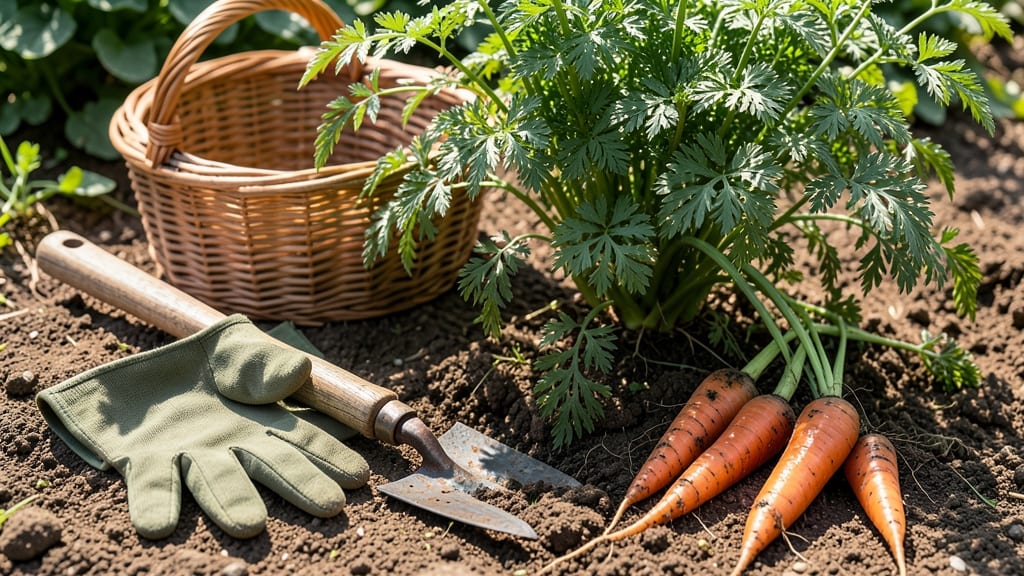
Harvesting carrots from your garden at the right time ensures sweet, tender roots 🥕—and missing that window turns them woody or bitter.
Picture this: you’ve nurtured your carrots for months, only to pull a pale, undersized root or a split, tough one. The difference between a perfect harvest and a disappointing one often comes down to knowing exactly when to dig.
Here’s the secret: it’s not just about days after planting—it’s about leaf size, root firmness, and even soil conditions. I’ll walk you through the visual and tactile tests that guarantee you pull carrots at peak flavor and texture, plus how climate and variety affect timing.
By the end, you’ll know when to harvest for baby carrots, full-sized roots, and everything in between—no more guesswork, just crisp, sweet perfection every time.

How to test carrot maturity: 5 tactile & visual harvest indicators
Harvesting carrots at the right moment transforms your garden into a treasure trove of sweet, crisp roots. But how do you know when they’re ready? Unlike leafy greens, carrots hide most of their maturity clues underground.
The secret lies in combining visual cues, tactile tests, and a little detective work in the soil. I’ve learned the hard way—over-mature carrots taste bitter and woody, while underripe ones lack flavor and snap.
Let’s break down the five foolproof ways to test carrot maturity so you never miss the perfect harvest window again.
Start by examining the foliage above ground—this is your first clue. Healthy carrot tops should be vibrant and lush, not sparse or yellowing. The leaves act like a growth barometer: if they’re thriving, the roots below are likely developing well.
Pay special attention to the leaf size—most varieties reach harvest readiness when the tops are about 6-8 inches tall for full-sized carrots or 3-4 inches for baby varieties. This visual cue alone can save you from pulling carrots too early or too late.
Now, let’s dig deeper—literally. The most reliable way to test carrot maturity is the soil depth check. Gently loosen the soil around one carrot using a small hand trowel or your fingers. Look for the shoulder of the carrot (the widest part just below the foliage).
For most varieties, this should measure 1-2 inches in diameter. If it’s smaller, give them more time; if it’s larger, you might be dealing with overcrowded roots that could split when pulled.
- 🌱 Leaf Height Check: Measure foliage—6-8 inches for full-sized carrots, 3-4 inches for baby varieties.
- 🔍 Shoulder Diameter: Loosen soil to check 1-2 inch shoulder width at harvest time.
- 💧 Root Resistance Test: Gently tug—roots should yield slightly but not pull out easily.
- 🟠 Color Consistency: Deep, uniform orange (or variety-specific color) signals maturity.
- ✂️ Top Trimming Test: Snip foliage—if roots are firm and tapered, they’re ready.
Don’t overlook the root resistance test, a tactile trick that works wonders. Once you’ve exposed the carrot, grasp it gently near the shoulder and give a light tug. A mature carrot should yield slightly to pressure but not pull out of the soil easily.
This resistance indicates the roots have developed strong cell walls, ensuring sweetness and crunch. If the carrot pops out too easily, it’s underripe; if it feels stubborn, it might be overcrowded or over-mature.
The color consistency of your carrots is another dead giveaway. Mature carrots develop a deep, uniform color—vibrant orange for standard varieties, or their specific hue if you’re growing purple or yellow types. Uneven coloring or pale roots mean they need more time in the soil.
Pro tip: Use a white plate or cloth as a background to compare colors accurately—natural light makes all the difference in spotting subtle shade variations.
Here’s a trick I swear by for container gardeners or tight spaces: the top trimming test. Carefully snip off the foliage about 1 inch above the soil line and examine the exposed root. A mature carrot will have a tapered shape and feel firm to the touch.
If the root looks stubby or the texture feels spongy, it’s not ready. This method is especially useful when space is limited, as it lets you assess maturity without disturbing the entire plant.
Timing your harvest isn’t just about avoiding mistakes—it’s about maximizing flavor and texture. Carrots harvested at peak maturity have maximum sweetness and crispness, while those pulled too early taste bland and watery. The key is consistency: combine these five tests and adjust based on your climate and variety.
Cool-season varieties like Danvers mature faster than heat-tolerant Nantes types, so always check seed packets for specific guidelines.
Avoid the common pitfall of over-maturity, which turns carrots woody and tough. If you’ve missed the window, don’t despair—these carrots can still be roasted or used in soups where their texture won’t be the star.
For storage, trim the foliage to 1 inch and keep them in a cool, dark place with high humidity. Properly stored, even slightly over-mature carrots can last 2-3 weeks in the fridge.
Remember, every garden is unique. Factors like soil type, watering consistency, and sun exposure can shift your harvest timeline by a week or more. Keep a garden journal to track what works best in your space.
With practice, you’ll develop an instinct for when your carrots are begging to be pulled—turning your harvest from a guess into a precision event. 🥕
Carrot harvest timeline: when to pull by variety and season
Timing your carrot harvest depends on two key factors: variety type and seasonal climate. Different carrot cultivars mature at different rates, and warm vs. cool seasons can shift readiness by 1-2 weeks.
For example, Danvers carrots—my go-to for crisp texture—mature faster in spring than in summer heat. Let’s break down the ideal windows for three popular types and how to adjust for your local growing conditions.
Most gardeners focus on days to maturity listed on seed packets, but real-world timing varies. In cool climates (USDA Zones 1-5), carrots reach harvest in 60-75 days after sowing, while in warm zones (6-10), they may take 70-85 days due to slower growth.
Always account for your last frost date—spring-planted carrots should be harvested 2-3 weeks before summer heat sets in, or they’ll bolt.
| Variety | Season | Days to Harvest | Size at Readiness | Climate Note |
|---|---|---|---|---|
| Danvers | Spring/Fall | 60-75 days | 1.5-2 inches diameter | Bolts in heat; harvest early |
| Nantes | Summer/Fall | 70-80 days | 1-1.5 inches diameter | Tolerates heat better |
| Chantenay | Spring/Fall | 65-75 days | 2-3 inches diameter | Short, stout roots; ideal for rocky soil |
For spring harvests, aim to pull carrots when soil temps stay below 75°F. In my Zone 6 garden, I start checking for readiness in early June—just as the foliage hits 6-8 inches tall.
Use a soil thermometer to monitor temps; above 80°F, growth slows, and roots may develop a woody texture. I’ve learned the hard way that ignoring this rule leads to bitter, fibrous carrots!
In fall planting, adjust your timeline by 10-14 days later than spring. For example, if Danvers carrots mature in 70 days in spring, they’ll take 80 days in fall due to shorter daylight.
Always sow succession crops every 2 weeks in summer to ensure a continuous harvest. My latest planting in August yields crisp carrots by October, just before the first frost.
Pro tip: Test one carrot per variety before committing to a full harvest. Gently brush away soil and check for deep color and firmness. If the shoulder (where the root widens) is 1-2 inches across and the taproot is smooth, it’s ready.
Overlooking this step means you might pull carrots that are still underdeveloped or, worse, split from overcrowding.
Remember, seasonal adjustments are key. In cool maritime climates, carrots may mature 10-15 days faster than in hot, dry regions. Pay attention to your local microclimate—my neighbor in the valley harvests 2 weeks earlier than I do on the hillside.
When in doubt, err on the side of early harvesting—carrots store well, but overripe ones lose their sweetness and texture.