
Vegetables
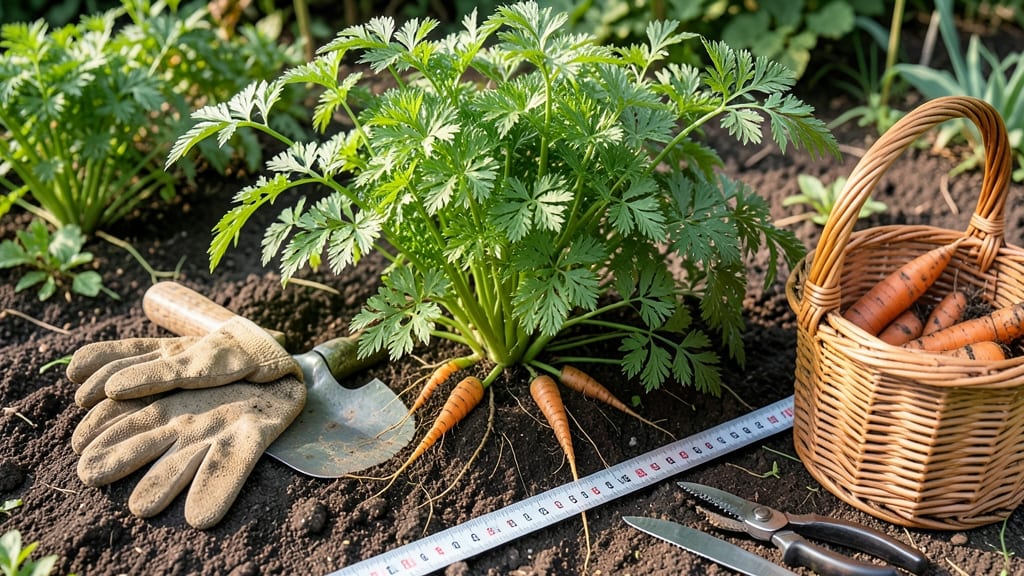
Harvesting spring-planted carrots at the right time means pulling them when they’re sweetest and crispest—typically between 70 and 90 days after sowing, depending on the variety and your zone.
But here’s the catch: timing your carrot harvest isn’t just about days on the calendar—it’s about understanding subtle soil signals that reveal when roots reach peak sweetness and texture. Get it wrong, and you’ll end up with woody, bitter carrots instead of the crisp, flavorful harvest you crave.
In Zone 6a, where spring planting kicks off in March, most gardeners start watching for harvest cues by late June. Look for lush green leaves, a shoulder of the carrot buried in soil, and a firm, crisp texture when you gently tug on one.
Miss these signs, and your 🥕 might turn tough or split.
Below, I’ll break down the exact soil checks, leaf signals, and regional tweaks to ensure you harvest at the perfect moment—so you’re left with a pantry full of sweet, homegrown carrots and zero guesswork.

How to check soil for the perfect carrot harvest time
Harvesting carrots at the right moment transforms your garden into a treasure trove of crisp, sweet roots. The key lies in reading your soil and plants—not just counting days. When carrots are pulled too early, they’re small and watery; too late, and they become tough and woody.
I’ve learned the hard way that patience (and soil checks) pay off with perfect harvests every time.
Start by examining the carrot shoulders—the area where the root meets the stem. When this shoulder is 1/2 inch or more below soil level, your carrots are ready. This buried shoulder means the root has fully developed its sweetness and texture.
I always dig a test carrot to check before committing to a full harvest—this simple step saves me from pulling underripe roots.
Next, pay attention to the leaf color and size. Healthy carrot tops should be lush green and 6-8 inches tall for full-sized varieties. If the leaves turn yellow or wilt, it’s often a sign of drought stress or overmaturity.
I keep a small notebook by my garden to track leaf growth alongside soil moisture—this helps me spot trends before problems arise.
Don’t overlook the soil texture and moisture. Well-drained soil with consistent moisture produces the best carrots. If your soil feels compacted or dry, your roots may become misshapen or tough.
I always loosen the soil around carrots before harvest to avoid damaging the roots. A gentle tug should reveal a firm, crisp root—not one that snaps or feels mushy.
For baby carrots, harvest when the tops reach 3-4 inches tall—this usually happens around 50 days after planting. I’ve found that thinning seedlings early gives me a continuous supply of tender baby carrots throughout the season.
Use a small fork to gently lift them from the soil to avoid damaging nearby roots.
One common mistake I see is ignoring the weather forecast. If a heatwave is coming, harvest sooner—carrots left in hot, dry soil can become woody. I always check the 5-day forecast before planning a full harvest.
Similarly, avoid harvesting after heavy rain, as wet soil makes roots harder to clean and can lead to rot during storage.
When you’re ready to harvest, use a garden fork or trowel to loosen the soil around the roots. Grip the tops firmly and pull upward—never twist, as this can break the roots.
I’ve learned that harvesting in the morning after watering makes the soil easier to work with and gives me cleaner carrots. Rinse them gently to remove dirt, but don’t peel them unless necessary—the skin protects against spoilage.
After harvesting, store carrots in a cool, dark place with high humidity, like a root cellar or refrigerator crisper drawer. I keep mine in a mesh bag with a damp paper towel to maintain moisture.
Proper storage extends their freshness for up to 3 months, so you can enjoy your homegrown harvest long after the garden season ends.
Remember, every garden is unique—what works for me in Zone 6a might need adjustments for your climate. Keep a harvest journal to track what works best in your soil and conditions. With practice, you’ll develop an instinct for the perfect harvest time, turning every carrot pull into a rewarding moment.
Spring-planted carrot growth timeline: days to maturity by variety
Knowing exactly when to harvest carrots planted in spring depends on the variety you're growing. Early types like Paris Market reach maturity in just 50-60 days, while heirloom varieties such as Danvers Half Long may take up to 80 days.
Your climate zone also plays a critical role—cooler regions (like USDA Zone 5) often need 10-14 extra days compared to warmer zones (like Zone 8).
For spring-planted carrots, timing your harvest correctly ensures sweet, crisp roots instead of woody or bitter ones. Most gardeners aim to harvest between late June and early October, but this shifts based on your last frost date.
For example, if you planted in early April in Zone 6, expect your Nantes carrots to be ready around mid-July.
| Variety | Days to Maturity | Best for Zone | Harvest Window | Size at Maturity |
|---|---|---|---|---|
| Paris Market | 50-60 days | 5-8 | Late June - July | 3-4 inches |
| Nantes | 60-75 days | 4-7 | July - August | 6-8 inches |
| Danvers Half Long | 70-80 days | 3-6 | August - September | 7-9 inches |
| Chantenay | 65-75 days | 5-9 | July - August | 5-7 inches (stout) |
| Purple Haze | 70-80 days | 4-8 | August - September | 6-8 inches (purple) |
If you're growing baby carrots, harvest as soon as they reach 2-3 inches in diameter—usually around 45-55 days for early varieties. For full-sized carrots, wait until the shoulder is 1/2 inch above soil and the foliage reaches 6-8 inches tall.
In warmer climates (Zones 8-10), you might harvest as early as late May if planted in February.
Adjust your harvest timeline if you notice bolting (flowering stems) or yellowing leaves, which signal the carrot is past its prime. In cooler zones (Zones 3-4), extend your timeline by 2-3 weeks to account for slower growth.
For example, a Nantes variety in Zone 4 might not be ready until early September.
Pro tip: Succession plant every 2-3 weeks in spring to stagger harvests. This ensures a continuous supply and prevents overcrowding, which can lead to forked or stunted roots. Always harvest on a dry, sunny day to preserve soil around the roots and make pulling easier.
Once harvested, store carrots in moist sand or a plastic bag in the fridge for up to 3 weeks. For long-term storage, cure them in a dry, dark place for 1-2 hours before storing in a cool root cellar—they’ll keep for months! 🥕