
How To
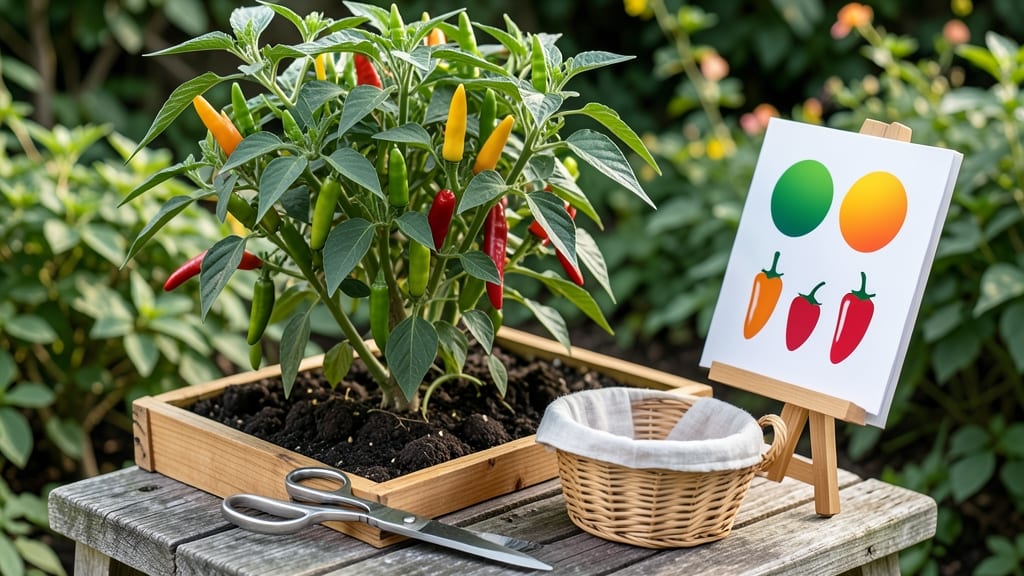
To harvest cayenne peppers at peak heat, watch for pods that turn deep red 🌶️ and reach 3-4 inches in length.
Harvesting cayenne peppers at the wrong time means losing explosive heat—and wasting months of hard work. But how do you know when these fiery beauties are ready to pick? The answer lies in three simple visual cues that guarantee maximum spice and flavor.
Most gardeners miss the sweet spot by focusing only on color, but size and firmness are just as critical. A cayenne pepper that’s too small or soft will lack the bold heat you’re growing for, while one left too long on the vine may lose its potency.
Below, I’ll break down the exact signs to look for—from color shifts to the perfect snap when you twist—and how regional weather can shift your harvest window by weeks.

3 Visual cues to harvest cayenne peppers at peak heat
Picking your cayenne peppers at the right moment means the difference between a mildly spicy harvest and one that packs a Scoville-scale punch. These fiery plants develop their signature heat as they mature, but timing is everything.
I’ve learned through years of growing cayennes that visual cues—not just days since planting—determine when to harvest for maximum flavor and heat.
The key to unlocking a cayenne’s full potential lies in three simple but critical observations: pod color, size consistency, and skin firmness. Each of these signals tells you whether your peppers are ready to be picked or still developing.
Ignoring these cues can mean sacrificing heat levels or flavor complexity, so let’s break down what to look for in your garden.
🌶️
Cayennes should be fully colored—deep red, orange, or yellow depending on variety. Green or patchy colors mean they’re not ready. Deep red cayennes hit peak heat at 30,000–50,000 Scoville units.
Mature cayenne pods should measure 3–4 inches long and be uniform in shape. Smaller pods (under 2 inches) lack full heat development and flavor.
Gently press a pod—it should feel firm but not rock-hard. Overripe peppers become wrinkled or soft, losing heat and developing bitter notes.
Why does color matter so much for cayenne heat? The deeper the red, the more capsaicin (the compound responsible for heat) has developed. Green peppers contain capsaicin but in much lower concentrations, so harvesting them early means missing out on that fiery kick.
I once picked a batch of cayennes too soon—only to realize they lacked the expected heat when dried.
Size consistency is another non-negotiable cue. Cayennes that reach 3–4 inches have fully developed their heat potential. Smaller pods often taste milder and lack the complexity of fully mature peppers. Think of it like waiting for a fruit to ripen—you wouldn’t pick an apple before it’s fully colored, would you?
Skin firmness is your final check before harvesting. A firm, slightly glossy pod is the gold standard. If the skin gives slightly under pressure, it’s overripe. Overripe cayennes not only lose heat but can also develop bitter or fermented flavors.
Trust me, your taste buds will thank you for paying attention to this detail.
Pro tip: Harvest cayennes in the morning when temperatures are cooler. This helps preserve their heat levels and prevents the pods from wilting or losing moisture during handling. I always use clean, sharp scissors to avoid damaging the plant, which ensures a quicker recovery and more pods in the future.
🌱
One common mistake I see is waiting until cayennes turn completely shriveled before picking. By then, the heat has already diminished, and the flavor profile shifts toward something less desirable. The goal is to harvest at the peak of ripeness, not past it.
This means keeping an eye on your plants daily during the harvest window (typically 75–90 days after transplanting).
If you’re growing cayennes for drying or powdering, harvesting at peak ripeness is even more critical. Dried cayenne powder loses heat if made from underripe pods, so don’t skip these visual checks.
For fresh use, you still want that deep color and firmness, but you might have a little more flexibility with timing.
✂️
How cayenne pepper color changes affect heat levels
The color of your cayenne peppers isn't just for show—it's a direct indicator of heat intensity and flavor development. When peppers transition from green to red or orange, their capsaicin content (the compound responsible for heat) peaks dramatically.
Understanding these color stages helps you harvest at the perfect moment for maximum Scoville heat units and boldest flavor.
Green cayenne peppers are technically edible but pack far less heat—typically 10,000-30,000 Scoville units. As they ripen to orange or red, their heat can surge to 30,000-50,000 Scoville units. The key is watching for uniform color changes and knowing when to act.
For example, some varieties like 'TAM Mild' stay orange, while others like 'Cayenne Long' turn deep red—both signal peak ripeness at different stages.
| Stage | Color | Scoville Heat | Flavor Profile | Harvest Tip |
|---|---|---|---|---|
| Green | 🟢 Bright green | 10,000-30,000 SHU | Grassy, mild | Harvest for pickling or salsa verde |
| Orange | 🟠 Deep orange | 30,000-40,000 SHU | Sweet, fruity, medium heat | Best for fresh use or drying |
| Red | 🔴 Deep red | 30,000-50,000 SHU | Bold, smoky, highest heat | Ideal for hot sauces and drying |
For optimal heat levels, aim to harvest cayenne peppers when they're fully colored—whether that's red, orange, or another variety-specific shade. Pro gardeners recommend checking pods every 2-3 days during peak ripening season (typically late summer to early fall).
If you wait too long, peppers may overripen, causing heat to fade and flavor to turn bitter.
Color isn't the only factor—skin texture matters too. At peak ripeness, cayenne peppers should feel firm but slightly glossy, with a smooth surface. If the skin feels leathery or wrinkled, the pepper has passed its prime.
I always test ripeness by gently squeezing the pepper; if it springs back, it's ready for harvest. This method works especially well for long cayenne varieties, which can be tricky to judge by size alone.
Regional climate plays a role too. In warmer zones (USDA 9-11), cayenne peppers may ripen faster and reach full color earlier than in cooler zones (USDA 6-8). If you're in a shorter growing season, consider using row covers or black plastic mulch to extend the harvest window.
For example, I've seen 'Cayenne Long' peppers in my Zone 7a garden take up to 90 days to fully ripen, while in Zone 10, they can be ready in as few as 65 days.
Once you've harvested at peak color, the next step is preservation. Red cayenne peppers dry beautifully, retaining their heat and flavor for months. For fresh use, store them in the fridge for up to 2 weeks, or freeze them whole for later cooking.
Remember, the earlier you harvest, the more control you have over the final heat level—so keep an eye on those color changes!