
How To
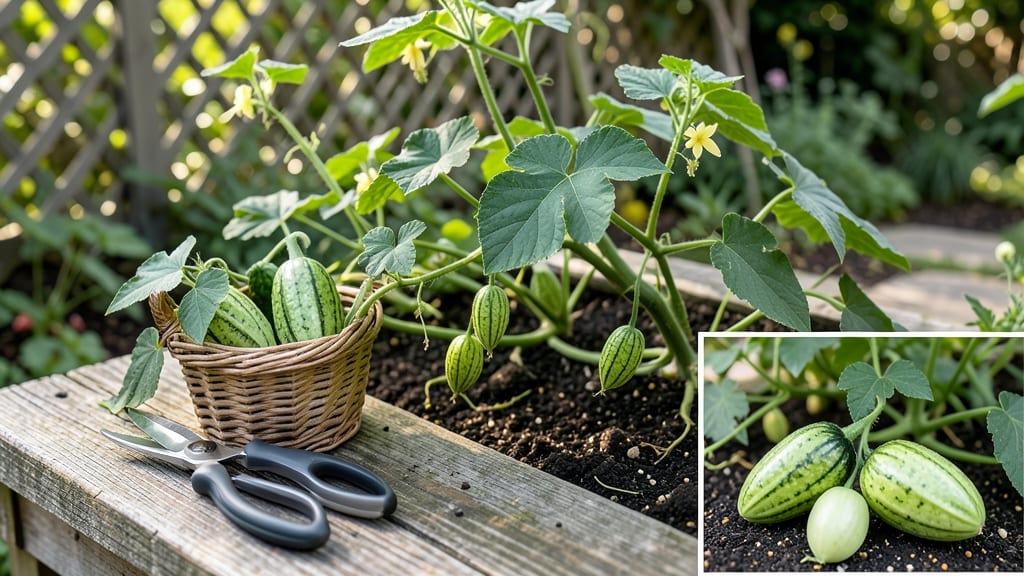
Harvesting cucamelons at the right time ensures their signature sweet-tart flavor 🍉—and missing this window means rubbery, bitter fruit before you even taste them.
Picture this: you’ve nurtured your cucamelons all season, watching those tiny vines burst with watermelon-sized peppers, only to realize too late that they’ve gone from perfect to past their prime.
The difference between a crisp, juicy bite and a chewy disappointment hinges on three key visual cues—size, color, and texture—that most gardeners overlook.
If you’ve ever plucked a cucamelon only to find it bland or mealy, you’re not alone. The secret lies in harvesting them when they’re bright green with crisp stripes, firm to the touch, and about 1-2 inches long.
That’s the sweet spot before overgrowth kicks in, and it’s easier to spot than you think.
Below, I’ll walk you through the exact moment to pick them—plus what happens if you wait too long—and how to keep your plants producing all summer long.

3 Visual cues to harvest cucamelons at peak sweetness
Harvesting cucamelons at the right moment transforms their delicate flavor from sweet-tart to bitter or mealy. Unlike cucumbers, these tiny watermelon-peppers demand precision—size, color, and texture all signal readiness.
One wrong move, and you’ll end up with overgrown fruit that’s tougher than a sun-baked tomato. The key? Watch for these three visual cues that guarantee peak flavor.
First, focus on size. Ready-to-harvest cucamelons measure between 1 to 2 inches long—about the size of a grape. Any smaller, and they’re still developing their signature sweetness; any larger, and they’ll become rubbery or seedy.
Think of them as tiny, striped watermelon balls—harvest them when they’re at their cutest, not their largest.
Next, check the color. Perfect cucamelons boast a vibrant bright green hue with crisp, dark striped patterns. If the stripes fade or the fruit turns dull, it’s past its prime.
Pale or white patches mean it’s underripe, while yellowing or brown spots signal overripeness. This color shift is your flavor barometer—ignore it, and you’ll lose that crisp, tangy snap.
Now for the texture test. Gently squeeze a cucamelon—it should feel firm yet slightly yielding, like a ripe grape. If it’s too soft, it’s overripe; if it’s rock-hard, it’s still maturing.
A glossy skin also confirms readiness, while a dull or wrinkled surface means it’s past its peak. Texture is where many gardeners stumble, so don’t skip this step.
| Ready to Harvest | Too Late to Harvest |
|---|---|
| Size: 1–2 inches long 📏 | Size: Over 2 inches, lumpy 🍉 |
| Color: Bright green with crisp stripes 🟢🔴 | Color: Dull, yellowing, or brown spots 🟡🟤 |
| Texture: Firm, glossy skin 🤏 | Texture: Soft, wrinkled, or mealy 🌱 |
| Stem: Easy to twist off ✂️ | Stem: Tough or rotting 🌧️ |
| Flavor: Sweet-tart, crisp 🌿 | Flavor: Bitter, rubbery, or bland 😬 |
Here’s a pro tip: Harvest in the morning when temperatures are cooler. This ensures the fruit hasn’t absorbed too much heat, which can accelerate overripening. Use sharp pruning shears or simply twist the cucamelon gently—it should detach cleanly from the vine. If it resists, it’s not ready yet.
Overlooking these cues leads to bitter cucamelons, a common mistake even experienced gardeners make. I once left mine on the vine for a week past their prime, and the flavor was unrecognizable.
Now, I check them every 2–3 days during peak season to avoid this fate. Consistency is key—set a reminder if needed!
Once harvested, store cucamelons in the fridge for up to 5 days. Their delicate nature means they won’t last long, so prioritize eating them fresh. For the best experience, slice them open and enjoy their juicy, grape-like interior—a reward for your timing skills.
Every garden deserves a harvest this satisfying.
Remember: Size, color, and texture are your best friends when harvesting cucamelons. Master these cues, and you’ll never miss the sweet-spot again. Happy harvesting! 🌱
How to test cucamelon ripeness: the 3-Step touch-and-taste method
Even when cucamelons look perfect, their true ripeness hides beneath the surface. I’ve learned that relying solely on size or color can lead to bitter or overgrown fruit. The secret? A simple touch-and-taste method that guarantees peak flavor every time.
Over the years, I’ve harvested hundreds of cucamelons, and the ones that passed this 3-step test always delivered that perfect sweet-tart crunch. It’s not just about waiting—the right moment requires texture, stem separation, and a quick taste check. Let’s break it down.
- Step 1: Firmness Test – Press gently. Perfect cucamelons feel crisp like a baseball, not soft like a sponge.
- Step 2: Stem Twist – Grip the fruit and twist slightly. If it detaches cleanly from the vine, it’s ready. Resistance means wait 1-2 days.
- Step 3: Taste Test – Pop one into your mouth. Sweet-tart with a crunchy snap? Harvest time. Bitter or mushy? Leave it longer.
I always start with the firmness test because it’s the fastest way to rule out overripe fruit. A soft cucamelon signals it’s past its prime, while a hard one might still need time. Pro tip: Use your thumb and forefinger—no need to squeeze hard enough to bruise.
The stem twist is my favorite trick because it reveals what you can’t see. A clean break means the fruit’s nutrients have fully developed, while a stubborn stem means it’s not ready. I’ve saved many a cucamelon from becoming seedy and woody by waiting just a day or two.
Finally, the taste test is non-negotiable. I’ll admit, I’ve been guilty of skipping it—until I bit into a cucamelon that tasted like vinegar instead of candy. Now, I always sample one before committing to a full harvest.
The flavor should be bright, not dull, and the seeds should be tiny and soft.
Remember, cucamelons ripen quickly once they reach 1-2 inches. Check your plants every 2-3 days during peak season to avoid missing the window. With this method, you’ll never guess again—just touch, twist, and taste your way to perfect cucamelons. 🌿