
How To
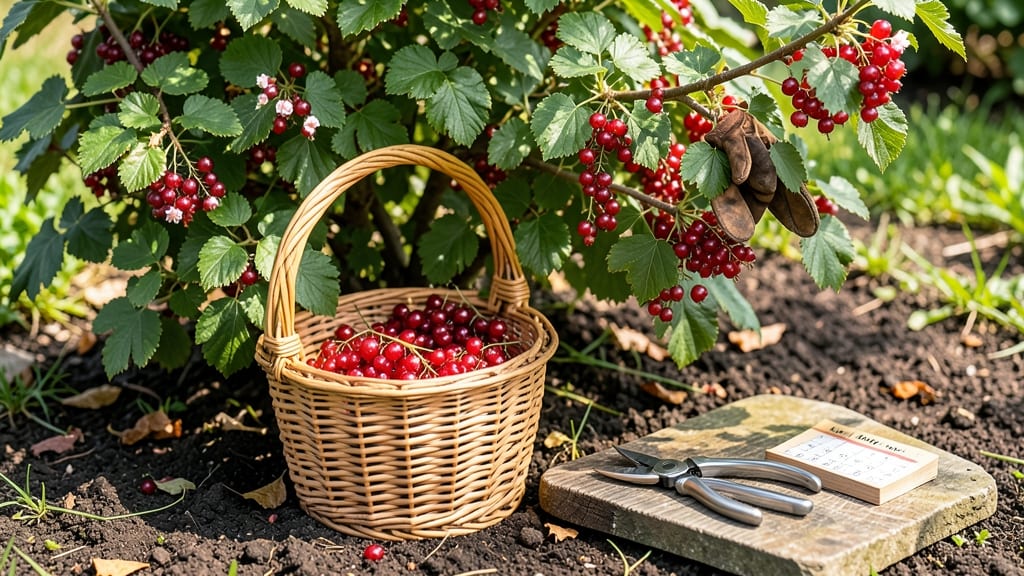
Harvesting currants at the right time means the difference between sweet, juicy berries and bland, mealy disappointment—so timing your pick is everything.
Picture this: you’ve waited months for your currant bushes 🫐 to burst with color, only to pluck berries that taste like nothing. That’s the risk when you harvest too early or too late.
The key is knowing when they’re fully ripe—when they’re deep in color, plump, and just firm enough to pop off the stem with a gentle tug.
In USDA Zone 6a, your harvest window typically opens in late spring to early summer, but the exact moment depends on your currant variety. Red currants often ripen first, followed by blacks and whites.
Regional climate plays a role too—cooler areas may see a slightly later harvest than warmer ones.
Below, I’ll walk you through the exact visual and tactile cues to spot perfectly ripe currants, plus pro tips to avoid overripening and preserve that fresh-picked flavor. Ready to turn your bushes into a berry bonanza?

How to identify perfectly ripe currants by size, color, and touch
Mastering the art of picking currants at their peak means understanding three key factors: berry size, color intensity, and tactile firmness.
Unlike some fruits that ripen off the vine, currants must be harvested at just the right moment—too early, and they’ll lack flavor; too late, and they’ll become mushy or attract pests.
I’ve learned through years of trial (and a few berry-bruising mistakes) that timing is everything for that perfect balance of sweetness and tartness.
Start by examining the berry size. Most currant varieties reach ideal harvest size between 0.5 to 0.75 inches in diameter. Red currants often mature slightly smaller (0.375 to 0.5 inches), while black and white varieties tend to be on the larger end.
Use a ruler or your thumb as a quick reference—if the berry fits snugly between your thumb and forefinger, it’s likely ready. Smaller berries may still be developing their full flavor profile.
Next, focus on color changes, which are the most obvious ripeness indicators. Red currants should transition from green to a vibrant crimson hue, while black currants will darken to a deep, glossy purple-black.
White currants, though less common, develop a pale, almost translucent cream or pale yellow color. Avoid harvesting berries that still have green patches—they won’t taste as sweet and may be underripe.
Don’t overlook the stem detachment test, a foolproof way to check ripeness. Gently grasp a berry between your thumb and forefinger and pull upward. If it separates cleanly from the stem, it’s ready to pick.
If the berry resists or the stem snaps instead, it’s not quite ripe yet. This test works best in the morning when berries are firmest—waiting until afternoon can give false readings due to heat softening.
Pay attention to the leaves and stems as secondary clues. When currants are ripe, the leaves may begin to yellow slightly at the edges, and the stems might show a faint woody texture. These signs indicate the plant is redirecting energy to the berries, ensuring they’re at peak sweetness.
If you notice birds or insects swarming your bushes, it’s a clear signal that the berries are overripe and need harvesting immediately.
Regional climate plays a surprisingly big role in currant ripening. In cooler Northern Hemisphere zones (USDA 4-6), currants typically ripen 2-3 weeks earlier than in warmer Southern zones (USDA 7-9).
For example, black currants in Zone 5 may be ready by late June, while those in Zone 8 might not peak until early August. Adjust your expectations based on your local frost dates and average summer temperatures.
One common mistake I see is waiting until currants are too soft to pick. Overripe berries burst easily when touched, develop a mealy texture, and lose their vibrant color. These berries are past their prime and won’t store well.
Instead, aim to harvest when they’re firm but yielding—like a ripe peach. This balance ensures the best flavor and longest shelf life, whether you’re eating them fresh, freezing, or making jams.
For container-grown currants, ripening can be slightly delayed due to microclimate differences. Potted plants often experience hotter roots and drier conditions, which can speed up ripening. Check berries <
Best harvesting practices to preserve currant flavor and prevent overripening
Timing your currant harvest correctly is crucial—wait too long, and you'll end up with overripe, mushy berries that lose their sweetness. The best time to pick is on a cool morning after the dew has dried, when berries are fully colored but still firm.
This ensures maximum flavor retention and prevents bruising during handling.
Harvesting in the afternoon heat can cause berries to soften too quickly, leading to premature spoilage. If mornings aren't an option, opt for early afternoon (before 2 PM) to avoid the worst of the sun's intensity.
Always use sharp, clean pruners or scissors to snip stems cleanly—never pull berries off, as this can damage the plant.
⚠️ callout warning ⚠️
Warning: Overripe Currants Ruin Flavor!
Signs of overripening:
- Berries turn dull-colored (not vibrant)
- Skin feels soft or wrinkled to touch
- Berries split open or leak juice Action: Harvest immediately if you spot these—overripe currants lose sweetness fast and attract pests.
To avoid berry bruising, handle currants with care—never toss them into containers. Instead, place them gently in shallow trays or breathable mesh bags to prevent crushing. If you're harvesting a large batch, work in small batches and process berries promptly to maintain freshness. Remember, gentle handling preserves both flavor and texture.
Once harvested, store currants properly to extend their shelf life. Keep them in the fridge (35-40°F) in a paper towel-lined container for up to 5-7 days.
For longer storage, freeze them on a tray lined with parchment paper before transferring to a sealed bag—this prevents berries from sticking together. Never wash them before storage, as moisture speeds up spoilage.
If you notice mold or fermentation (a musty smell or fuzzy growth), discard those berries immediately—this means they've gone bad. Always inspect your harvest thoroughly before storing, and remove any damaged or questionable berries right away. Proper storage keeps currants tasting fresh and delicious for longer.
For maximum flavor, try to use your harvest within 2-3 days of picking. Fresh currants shine in jams, sauces, or eaten straight off the bush—their vibrant taste is at its peak when handled with care. With these tips, you'll enjoy sweet, juicy currants all season long! 🫐