
How To
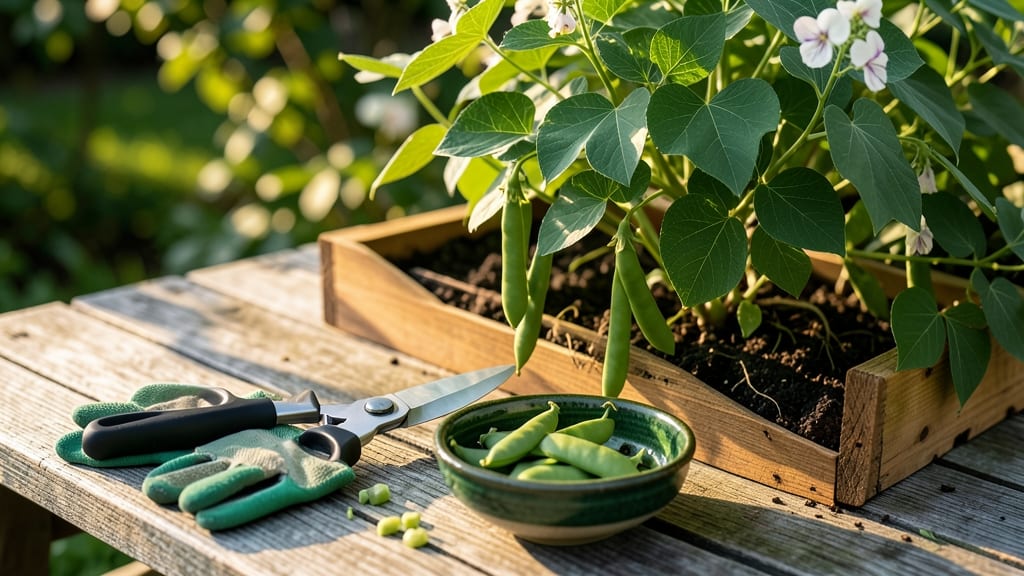
Harvesting edamame beans at the right time ensures tender, flavorful pods packed with protein—miss the window, and you’ll end up with tough, bitter beans or wasted effort.
If you’ve ever plucked a pod only to find the seeds shriveled or the pods still hard, you know how frustrating this can be. The difference between a perfect harvest and a disappointing one often comes down to one or two weeks of timing.
Edamame 🌱 thrives in USDA Zone 6a, where planting in April or May sets the stage for a summer harvest between July and September. But even in ideal conditions, the key is watching for visual cues—like pods turning green-yellow and seeds plumping up—rather than relying on a calendar.
In this guide, I’ll walk you through the exact signs to look for, how to time your harvests for maximum yield, and the common mistakes that turn great harvests into failures. Ready to turn your edamame plants into a protein-packed feast?

How to identify the perfect harvest time for edamame beans
Timing your edamame harvest is an art that balances patience and precision. These protein-packed pods go from tender delights to tough, bitter disappointments in just a few days. The key lies in watching for visual cues and understanding your plant's maturity stages.
When you spot slightly yellowing pods with firm seeds inside, you've hit the sweet spot. But how do you know for sure? Let's break down the exact harvest signals to watch for, so you never miss your window again.
First, focus on the pod color as your primary indicator. Fresh edamame pods start bright green but gradually develop yellowish edges as they mature. This color shift signals that the seeds inside are plumping up—a clear sign they're ready to pick.
However, don't wait until the entire pod turns yellow; that means your beans are past their prime. The ideal moment is when only the edges show that subtle yellow-green hue, while the rest remains vibrant.
Next, examine the pod size and firmness. Ready-to-harvest pods should measure about 1 to 2 inches long and feel firm to the touch. If you gently squeeze a pod and it feels slightly resistant but not rock-hard, that's your cue to harvest.
Overly soft pods mean they're still developing, while hard pods indicate the seeds have dried out. Remember, the texture test is just as important as the color check—both must align for perfect timing.
Don't overlook the plant's overall maturity—this is where many gardeners go wrong. Edamame plants typically reach harvest readiness about 90 days after planting, but this can vary by variety and climate.
In warmer regions, you might see pods ready as early as 60 days, while cooler zones may need to wait until 120 days. Pay attention to your plant's growth cycle and local climate patterns to adjust your expectations accordingly.
Another pro tip: check the stem flexibility of your edamame pods. When they're ready to harvest, the stems should snap easily when bent. This indicates the pods have reached their peak firmness. If the stems resist bending or break too easily, your pods aren't quite ready.
This simple physical test can save you from harvesting too early or too late, ensuring you always get the best flavor and texture.
Regional differences play a crucial role in harvest timing. In southern climates, edamame may mature faster due to longer growing seasons, while northern gardeners often face shorter windows. If you're in a cooler zone, consider planting earlier-maturing varieties like 'Black Turtle Soya' or 'Ogura'.
These varieties typically produce pods in 60-70 days, making them ideal for shorter seasons. Always check your seed packet for days-to-maturity information to plan accordingly.
One common mistake is harvesting based solely on pod color without checking the seeds inside. Some gardeners assume all green pods are ready, only to discover the seeds are still underdeveloped. To avoid this, always open a few pods from different parts of the plant.
Look for plump, green seeds that fill the pod completely. If the seeds are small or shriveled, wait another 3-5 days before harvesting again.
Timing your harvests correctly also depends on how often you plan to pick. For continuous harvests, you'll need to monitor your plants every 2-3 days once pods start forming. Edamame pods mature simultaneously on a plant, so you'll typically get just 1-2 harvest windows per season.
Once the majority of pods turn fully yellow, your plant's production cycle is complete. Don't expect another round—this is nature's way of telling you it's time to let the plant rest.
Finally, remember that morning harvests yield the freshest pods. The cooler temperatures help preserve their crisp texture and vibrant color. After picking, store your edamame in the refrigerator for up to 3 days or blanch and freeze them for longer storage.
Proper post-harvest care ensures you get to enjoy your homegrown edamame at their absolute best, packed with that perfect tender-crisp texture we all love.
Step-by-step edamame harvesting process for maximum yield
Harvesting edamame at the right time transforms your garden into a protein-packed treasure trove. The best time to start harvesting is early morning when pods are cool and crisp—this preserves their tender texture and sweet flavor.
Morning harvests also allow you to avoid the afternoon heat, which can stress the plants and reduce pod quality.
Edamame plants typically produce pods 60-120 days after planting, but timing varies by variety. Most gardeners begin harvesting 3-4 weeks after flowering when pods reach 1-2 inches long and turn from vibrant green to a slight yellowish hue.
Waiting too long results in tough, fibrous pods with hard seeds, while harvesting too early means underdeveloped, bitter-tasting beans.
🌱 Step-by-Step Harvesting Guide
- 1 Check pod maturity daily: Look for pods that are 1-2 inches long with a slight yellowish tint at the edges. The seeds inside should feel plump but still green.
- 2 Harvest in the morning: Pick pods between 7-9 AM when temperatures are cool. This ensures pods are at their peak freshness and reduces stress on the plant.
- 3 Use gentle twisting or snapping: Hold the pod and twist gently or snap it off the stem. Avoid pulling or tearing, which can damage the plant and reduce future yields.
- 4 Harvest every 2-3 days: Edamame pods mature quickly. Picking every 2-3 days encourages continuous production and prevents overcrowding on the plant.
- 5 Store pods properly: Keep harvested pods in the refrigerator for up to 3 days or blanch and freeze for longer storage. Avoid washing until ready to use to preserve freshness.
To maximize your harvest, focus on continuous picking. Edamame plants produce pods over several weeks, so regular harvesting—every 2-3 days—stimulates more flowers and pods. If you miss a harvest window, the pods will dry out on the vine, and the plant may stop producing.
Think of it like pruning: the more you pick, the more your edamame plants will reward you with fresh, tender pods.
Pro tip: Use a small hand pruner or scissors for larger plants to avoid damaging stems. For smaller gardens, your fingers work perfectly—just twist gently to detach the pod cleanly.
Always leave some pods on the plant to ensure future production, as edamame plants rely on a steady cycle of flowering and pod development.
By following these steps, you’ll enjoy a bountiful, flavorful harvest all season long. The key is consistency—check your plants daily, harvest early, and store pods properly to keep them fresh. Your garden (and taste buds) will thank you! 🌿