
How To
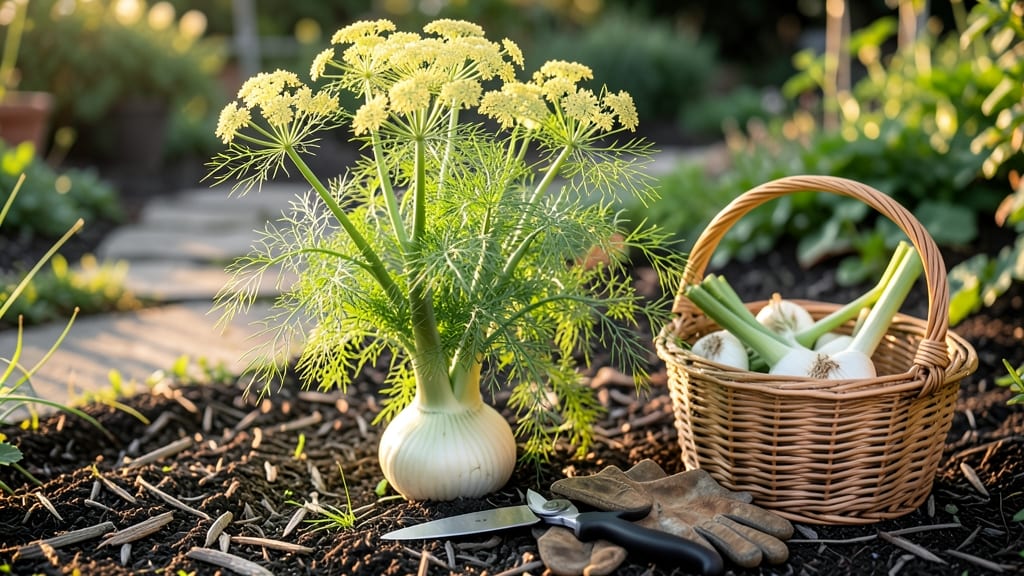
Harvest fennel 🌿 when its bulbs reach 3–4 inches in diameter and the outer leaves start yellowing—this is the sweet spot for crisp stalks and peak anise flavor.
Fennel’s delicate balance between crisp stalks and aromatic seeds makes timing its harvest a true gardener’s challenge—get it wrong, and you’ll miss the perfect flavor or waste potential.
You’ll know it’s ready when the bulb feels firm to the touch and releases a strong licorice scent when crushed. Waiting too long turns those tender stalks woody, while harvesting too early leaves you with a bitter bulb.
Below, I’ll walk you through the exact tactile tests, seasonal cues, and common mistakes to ensure you pull fennel at its prime—whether you’re after crisp bulbs or flavorful seeds.

How to test fennel stalks for peak crispness and flavor
Harvesting fennel at the perfect moment transforms your garden into a flavor factory. The key lies in tactile tests and visual cues that reveal when the bulb has reached its peak crispness and anise-rich aroma.
Unlike many herbs, fennel’s readiness isn’t just about size—it’s about texture, color, and even the way it smells. I’ve learned that waiting too long turns those prized crisp stalks into woody, bitter disappointment, while harvesting too early means missing out on that signature licorice kick.
Start by examining the outer leaves—they’re your first clue. When they begin turning yellow and crispy at the edges while the inner leaves stay vibrant green, your fennel is signaling it’s nearing harvest time.
This color shift happens gradually, so check weekly once your plants reach 60 days of growth. The transition from all-green to this two-tone pattern is your green light to perform the next test: the stem bend test, which I’ll explain in detail next.
🌱 PRO TIP: Fennel bulbs should feel firm but not rock-hard when gently squeezed. A bulb that’s still soft or squishy needs more time in the ground, while one that’s overly hard may have passed its prime. Aim for that just-right firmness—like a ripe avocado. This tactile check is non-negotiable for perfect texture.
Now let’s talk about the visual cues that never fail me. The bulb itself should be 3-4 inches in diameter at its widest point. Any smaller, and you’ll miss that crisp snap when sliced. Larger bulbs often develop a hollow core and lose their delicate flavor.
Pair this with a strong anise scent when you crush a leaf between your fingers—this is the ultimate flavor confirmation. If it smells faint or grassy, your fennel isn’t ready yet.
⚠️ COMMON MISTAKE: Many gardeners harvest fennel based solely on days after planting, but fennel’s growth rate varies with soil temperature and sunlight exposure. Instead of guessing, trust these three key indicators: bulb size, leaf color, and aroma. These visual and tactile cues work regardless of your growing conditions.
| Harvest Readiness Test | Not Ready (❌) | Ready (✅) | Overripe (⚠️) |
|---|---|---|---|
| Bulb Size | Small (<2 inches) | 3-4 inches | >4 inches (hollow core) |
| Leaf Color | All green, vibrant | Outer leaves yellowing | Mostly brown/dry |
| Stem Bend Test | Stalks snap easily | Bends slightly (not snaps) | Brittle, snaps cleanly |
| Aroma Test | Mild or grassy | Strong anise scent | Faint or musty |
| Texture | Soft, spongy | Firm but not hard | Woody, tough |
The stem bend test is my favorite trick for nailing the perfect harvest. Gently grasp a fennel stalk near the base and bend it slightly toward you. If it bends easily but doesn’t snap, your fennel is ready.
A stalk that snaps immediately means it’s still too young, while one that breaks cleanly is past its prime. This test works because fennel stalks develop lignin (a woody compound) as they mature, making them progressively stiffer.
Aim for that flexible but resilient stage—it’s the sweet spot for both texture and flavor.
Don’t overlook the time of day when harvesting. Early morning is ideal because fennel’s sugars are most concentrated after a night’s rest. Harvest just as the dew dries but before the midday heat sets in.
This timing preserves the crispness and aroma you’ve worked so hard to cultivate. I’ve found that fennel harvested in the afternoon often loses some of its snap by evening, even if stored properly.
One mistake I used to make was harvesting the entire plant at once. Now I practice successive harvesting: cutting the largest, most mature bulbs first while leaving smaller ones to ripen. This extends your harvest window by 2-3 weeks and ensures you always have fresh fennel for cooking.
For bulb fennel, use a sharp knife to slice just above the soil line—this prevents the bulb from absorbing dirt and keeps it clean.
Finally, let’s talk about seasonal timing. In USDA Zone 6, I start checking for harvest readiness in late June, with peak harvests through early October. If you’re in a cooler climate, wait until after the last frost date (typically mid-April) and adjust your timeline accordingly.
Fennel thrives in warm soil, so if your spring is chilly, give it extra time to establish before testing for maturity.
Remember, the goal is crisp stalks with bold anise flavor—not just any harvest. By combining these visual cues, tactile tests, and seasonal timing, you’ll consistently pull fennel at its peak.
Once you master this, you’ll never settle for anything less than that perfect snap and aromatic punch in your dishes. Happy harvesting! 🌿
When and how to harvest fennel seeds for maximum anise flavor
Harvesting fennel seeds at the perfect moment unlocks their signature licorice-like aroma and ensures they’re ready for culinary uses like baking, teas, or seasoning. Unlike bulb fennel, seed harvest focuses on the flower umbels that develop after the main stalks.
Timing is everything—wait too long, and the seeds lose potency; harvest too early, and they won’t fully develop.
The key is watching for visual maturity cues like browning flower stems and seed color shifts from green to golden-brown. Once you spot these signs, act quickly to preserve the anise flavor through proper drying.
My best fennel seed harvests come in late summer or early fall, when the plants are fully mature and the weather is dry.
Step-by-Step Fennel Seed Harvest Guide
- 1 Wait for flower umbels to brown: Harvest when the flower stems turn from green to tan or brown, usually 90-120 days after planting.
- 2 Gently cut umbels with scissors: Snip the entire flower cluster (not individual seeds) when 50-70% of seeds turn golden-brown. Leave a 1-inch stem attached.
- 3 Dry seeds indoors for 1-2 weeks: Hang umbels upside down in a well-ventilated, dry spot (like a mesh bag) away from direct sunlight. Stir seeds weekly to speed drying.
- 4 Test seed readiness: Rub a seed between fingers—if it crushes easily and smells strongly of anise, it’s ready. Store in an airtight container in a cool, dark place for up to 2 years.
Pro tip: Harvest seeds on a dry, sunny morning to avoid moisture, which can cause mold. If you miss the window, the seeds will eventually shatter and scatter, so don’t delay!
Once dried, these seeds are perfect for homemade fennel pollen or infusing oils for a licorice kick in dishes.
For maximum flavor retention, avoid overcrowding umbels during drying—this traps moisture and dulls the anise aroma. A paper bag with holes punched in it works well for airflow. Store seeds in small batches if you plan to use them throughout the year.
Remember, fennel seeds are at their peak when they’re golden-brown and fragrant. If you’re unsure, harvest a few umbels early to test their flavor. This way, you’ll know exactly when to time your full harvest for the most potent anise taste in your garden.