
How To
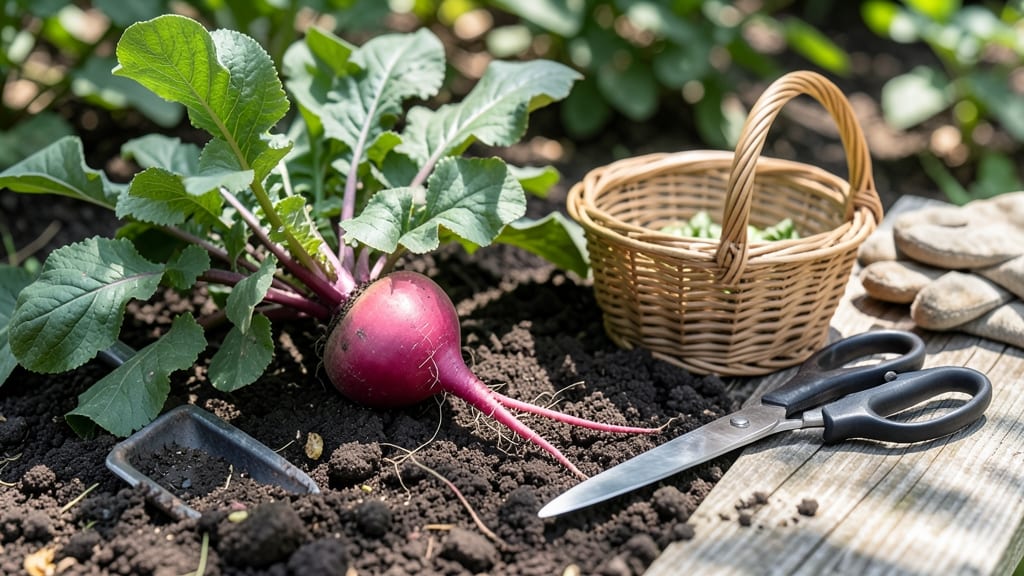
Harvesting French Breakfast radishes 🥕 at the right time means the difference between a crisp, peppery bite and a tough, bitter disappointment.
Picture this: you’ve nurtured your radishes for weeks, watching them pop up through the soil like tiny green rockets. But when should you pull them? Too early, and they’re underdeveloped; too late, and they turn woody.
The key is knowing exactly when those roots hit their peak—right before they bolt or lose their signature snap.
Here’s the secret: radishes are ready when they’re about 1 to 2 inches in diameter, with firm skin and just a hint of yellow at the base of the leaves. That’s the perfect window—before they get pithy or bitter.
And if you’re growing in a climate with mild winters, like Zone 6a, you can even stagger plantings for a continuous harvest.
Below, I’ll break down the 3 tactile tests to check maturity, how to adjust for spring vs. fall planting, and what happens if you miss the mark. No guesswork—just fast, foolproof results every time.

3 Tactile tests to determine perfect French Breakfast radish harvest time
French Breakfast radishes are one of the fastest rewards in the garden, but knowing exactly when to harvest can make the difference between a crisp, sweet radish and a tough, bitter one. Unlike leafy greens, radishes don’t give many visual clues until it’s almost too late.
That’s why I rely on three simple tactile tests—methods that use touch and sight to determine peak ripeness without guesswork.
These tests work whether you’re growing radishes in container gardens, raised beds, or traditional in-ground plots. The key is consistency: check your radishes at the same time each day, ideally in the morning when soil moisture is balanced.
Overwatered or drought-stressed radishes can give false signals, so aim for consistent soil moisture throughout their growth cycle.
Here’s how I use these three tests to harvest radishes at their absolute peak—when they’re crisp, sweet, and peppery—before they turn woody or bolt.
🌱 3 Tactile Tests for Perfect French Breakfast Radishes
Gently brush soil away from one radish. If the root is 1–1.5 inches wide, it’s ready. Smaller than ½ inch? Wait 3–5 days.
Press the radish gently with your thumb. It should feel firm but not hard. Soft spots mean it’s underripe; a hollow sound when tapped means it’s past its prime.
Check the oldest leaves at the base. Slight yellowing (not browning) signals maturity. If leaves are still vibrant green, wait 2–3 days.
Let’s break down each test in detail, including what to watch for and how to avoid common mistakes. The root diameter test is my go-to because it’s the most reliable indicator of sweetness.
French Breakfast radishes are bred for their thin, elongated shape, so size matters more than color—unlike their round cousins.
For the skin firmness test, I often use my thumb to press the radish while it’s still in the soil. If it feels spongy, it’s underripe; if it’s rock-hard or hollow-sounding, it’s overripe.
This test is especially useful in hot climates, where radishes mature faster and can become pithy if left too long. Pro tip: Harvest in the morning when radishes are coolest for the most accurate texture reading.
The leaf color test is the easiest to overlook, but it’s a critical backup. Radishes are fast bolters, meaning they’ll send up flower stalks if stressed or overcrowded.
Yellowing leaves at the base signal that the plant is redirecting energy to the root, which is when you’ll get the best flavor. If the entire plant turns yellow, it’s a sign of bolting—harvest immediately, even if the roots are small.
One mistake I see often is relying solely on days after planting as a harvest guide. While French Breakfast radishes typically mature in 25–30 days, weather and soil conditions can shift that window by a week or more.
For example, cool spring soil might slow growth, while warm fall soil can speed it up. That’s why tactile tests are more reliable than calendars.
To extend your harvest season, I recommend successive planting. Sow a new batch every 2–3 weeks in spring and fall. This way, you’ll always have radishes at the perfect harvest stage.
Just be sure to thin seedlings to 1 inch apart once they sprout—crowding stresses plants and triggers bolting, ruining your tactile tests.
Once you’ve confirmed a radish is ready, harvest by gently twisting it free from the soil. Avoid using tools unless the radish is deeply embedded.
Store harvested radishes in the crisper drawer of your fridge for up to a week, but eat them as soon as possible for the best texture and flavor. The longer they sit, the more they lose their crispness.
Mastering these three tactile tests will transform your radish harvests from hit-or-miss to consistently perfect. Next time you’re in the garden, grab a radish and give these tests a try—your taste buds will thank you! 🥕✂️
French Breakfast radish growth timeline: days to harvest by variety and season
Timing your French Breakfast radish harvest depends on variety, planting season, and soil temperatures. These radishes mature quickly—typically between 20 to 35 days—but cooler spring or fall conditions slow growth.
Understanding these factors ensures you harvest at peak flavor and texture, avoiding the common pitfalls of bitterness or woody roots.
Spring plantings in Zone 6a (like mine) usually reach harvest 25–30 days after sowing, while fall crops may take slightly longer due to shorter daylight.
Fast varieties like '18-Day' French Breakfast are ready in just 3 weeks, while slower types like 'French Breakfast' standard may need up to 5 weeks.
| Variety | Spring Harvest Window | Fall Harvest Window | Soil Temp for Growth | Microclimate Notes |
|---|---|---|---|---|
| '18-Day' French Breakfast | 20–25 days | 22–28 days | 50–70°F | Fastest in warm spring |
| 'French Breakfast' (standard) | 25–30 days | 28–35 days | 45–65°F | Slower in cool fall |
| 'French Breakfast' (heirloom) | 30–35 days | 32–40 days | 40–60°F | Best in cool seasons |
For spring plantings, aim to sow seeds 4–6 weeks before your last frost (around March 15 in Zone 6a). This gives roots enough time to mature before summer heat stresses them.
In fall, plant 8–10 weeks before your first frost (around August 15), as cooler temperatures slow growth but improve flavor.
Your microclimate plays a huge role. If you’re in a cooler coastal area, radishes may take 5–7 extra days to mature compared to inland gardens. Conversely, hotter climates can speed up growth but may cause bolting (flowering) if soil stays too dry.
Always monitor soil moisture and leaf color—yellowing edges signal readiness.
Pro tip: Use succession planting every 2 weeks in spring and fall to ensure a continuous harvest. This works especially well for fast varieties, which can be replanted as soon as you harvest the first batch.
Just remember: the key to perfect French Breakfast radishes is consistency in soil temps and attention to detail at harvest time.