
How To
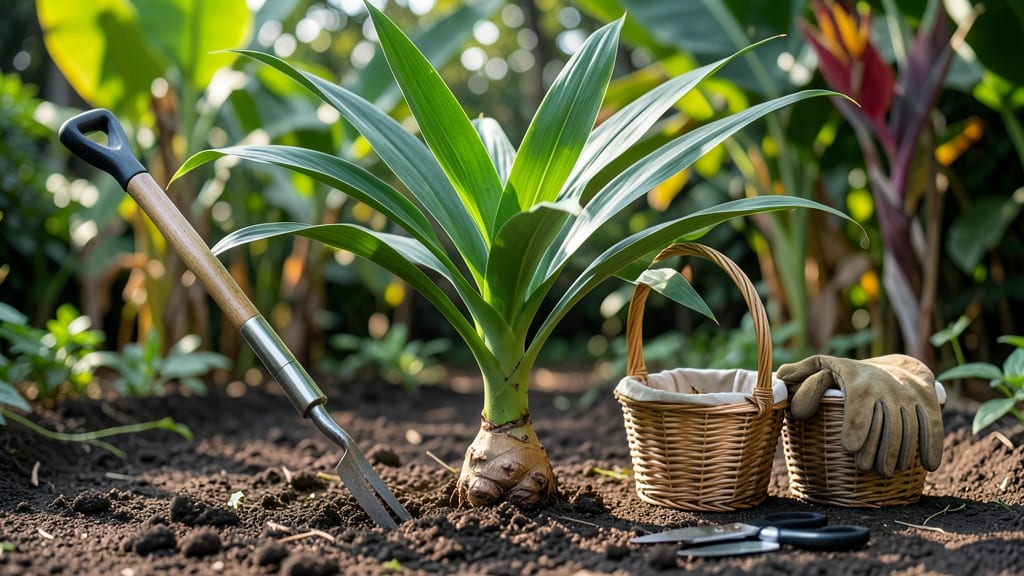
Harvesting ginger root at the right time ensures you get the sweetest, most flavorful rhizomes 🌿 — but timing it wrong means a bitter, woody mess.
Most gardeners wait too long, digging when the leaves have already collapsed and the roots are tough. The secret? Watch for three key signs: yellowing foliage, firm rhizomes the size of a golf ball, and a thick, brownish skin. Miss these cues, and you risk losing your harvest to overgrowth.
In USDA Zone 6a, the best window is late October to November, when cooler weather triggers the plant’s natural shutdown. But don’t rely on the calendar—your ginger’s appearance is the real guide.
Below, I’ll walk you through how to read those signals and what to do once you’ve pulled them from the soil.
You’ll also discover how to cure and store your harvest for maximum freshness, so you can enjoy homegrown ginger all winter long—no grocery store substitutes needed.

3 Visual cues to harvest ginger root at peak flavor
Ginger plants don’t announce their readiness with a clear calendar date—they signal harvest time through subtle but unmistakable visual cues. If you’ve ever dug up ginger too early and found tiny, underdeveloped rhizomes or waited too long for tough, woody roots, you know timing matters.
The key is learning to read your plant’s leaf color, rhizome size, and shoot growth like a pro. These three signs will tell you exactly when to grab your trowel and harvest before the flavor fades.
Most gardeners assume ginger is ready when the plant looks mature, but that’s a common mistake. The perfect harvest window is actually when the plant starts to slow down—not when it’s at its peak growth.
Think of it like a runner tapping their chest during a race: the plant is telling you it’s done storing energy in the roots. Missing this moment means sacrificing sweetness and potency for a bitter, fibrous mess.
Let’s break down the three non-negotiable visual cues that guarantee you’ll harvest at peak flavor.
🌱 Numbered Highlights: 3 Visual Cues to Harvest Ginger
- 1. Leaf Color: Yellowing foliage and natural die-back signal the plant is redirecting energy to the rhizomes. Healthy green leaves mean it’s still growing—wait until at least 50% of leaves turn yellow or brown.
- 2. Rhizome Size: Dig up a test rhizome—it should be 2-3 inches thick and firm to touch. Small (<1 inch) or soft rhizomes aren’t ready; oversized ones may be woody and less flavorful.
- 3. Shoot Growth: Look for stunted new shoots or dried-out pseudostems. Active growth means the plant is still storing energy; slow or stopped growth means it’s focused on root maturation.
Pro Tip: Harvest on a dry, overcast day to reduce stress on the plant. Use a fork or spade to lift the entire rhizome cluster gently—never pull!
Let’s start with the most obvious (but often overlooked) sign: leaf color. Your ginger plant’s leaves are like a flavor meter. When they’re vibrant green, the plant is still actively growing and storing minimal energy in the roots.
But as the days shorten and temperatures drop—typically in late fall—the leaves begin to yellow and crisp. This isn’t a sign of disease; it’s the plant’s way of saying, “I’m done growing above ground. Now it’s time to harvest the sweet, mature rhizomes below.”
Here’s the trick: don’t wait until the leaves are completely dead. Aim for when about 50-70% of the foliage has turned yellow or brown. If you see green leaves still thriving, the rhizomes likely aren’t fully developed yet.
On the flip side, if the leaves are crispy and brown for weeks, the roots may have started to woody up, reducing their aromatic potency. Timing is everything!
Next, focus on the rhizome size, which is the real prize. Ginger rhizomes grow underground, and their size is your best indicator of flavor readiness. Use a small trowel or your fingers to gently dig up one rhizome and check its diameter.
At peak harvest, it should measure 2-3 inches across and feel firm but not hard. If it’s smaller than a quarter, it’s not ready—these underdeveloped roots will be mild and watery. If it’s larger but woody or hollow-sounding, you’ve waited too long.
For a foolproof test, slice open the rhizome: a juicy, pale yellow center means it’s perfect for fresh use or cooking. A dry, fibrous core signals overmaturity. Remember, ginger rhizomes continue to mature after harvest, so even if they’re not perfectly sized, they’ll improve slightly with proper curing.
But for the best flavor right away, aim for that 2-3 inch sweet spot.
The third and final cue is shoot growth, which reveals whether the plant is still actively storing energy or has shifted focus to the roots. Healthy ginger plants produce new shoots from the rhizome throughout the growing season.
But when harvest time nears, these shoots slow down or stop entirely. Look for stunted growth—new shoots that are smaller than usual or fail to emerge—or dried-out pseudostems (the leafy stalks). This is your plant’s way of saying, “I’m done growing above ground.
It’s time to harvest the roots.”
One common mistake is assuming that bigger leaves mean bigger rhizomes. Not true! In fact, oversized foliage can sometimes indicate the plant is putting too much energy into leaves rather than roots.
If your ginger has lush, towering leaves but tiny rhizomes, it’s a sign you need to reduce nitrogen-rich fertilizer (like fresh manure) and encourage root growth with phosphorus-heavy feedings instead.
Pay attention to your local climate too—ginger’s harvest cues can shift slightly based on your USDA zone. In warmer zones (8-10), you might see these signs as early as September, while in cooler zones (6-7), they may not appear until November.
The key is to watch the plant, not the calendar. If frost is threatening before you see these visual cues, it’s time to harvest early—frost will kill the foliage but leave the rhizomes intact (though slightly less sweet).
Once you’ve spotted all three cues—yellowing leaves, 2-3 inch rhizomes, and stunted shoot growth—it’s time to act. Wait for a dry, cool day to harvest, as wet soil can damage the rhizomes. Use a fork or spade to lift the entire plant gently, then shake off excess soil to inspect the roots. Trim any long, fibrous roots and dry the rhizomes in a shady, well
What happens if you harvest ginger too early or late?
Harvesting ginger at the wrong time dramatically alters its flavor, texture, and even how well it stores. Premature ginger is small, mild, and prone to rotting, while overripe roots become woody and bitter. Understanding these differences helps you avoid wasting months of growth.
When you harvest ginger too early, the rhizomes are barely 1 inch wide and lack the complex flavors they develop over time. These tiny roots also store poorly, sprouting or molding within weeks.
On the other hand, overripe ginger loses its sweetness, turning tough and fibrous—ideal for ornamental use but useless in cooking.
Here’s how timing affects your harvest:
Harvesting Ginger Too Early
- Quick harvest (as early as 9 months)
- Mild, fresh flavor (good for teas)
- Small, underdeveloped roots (1 inch or less)
- Poor storage life (2-4 weeks max)
- Lacks spicy kick and depth
Harvesting Ginger Too Late
- Larger rhizomes (up to 3 inches)
- Longer storage potential (6+ months if cured)
- Woody texture and bitter taste
- Skin cracks, increasing rot risk
- Less vibrant flavor profile
To avoid mistakes, monitor your ginger’s foliage and rhizome size closely. If leaves turn completely brown before roots mature, your ginger is overripe. Conversely, if you dig up small, soft roots, it’s too early—wait another 2-3 months for peak flavor.
Pro tip: Dig up a small test rhizome at 10 months to check its size and texture. This lets you adjust your harvest timing without risking the whole crop. Store test samples in a cool, dry place to compare their storage potential later.
Timing isn’t just about flavor—it’s about efficiency. A well-timed harvest ensures you get the most yield, quality, and storage life from your ginger plants. With practice, you’ll spot the perfect moment like a pro!