
How To
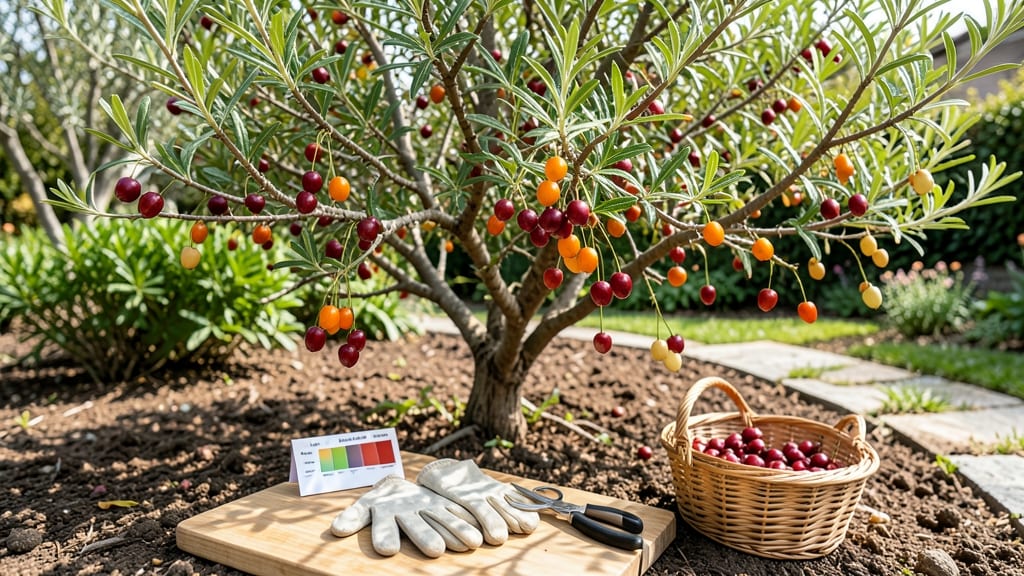
Harvesting goji berries at the right time means the difference between sweet, vibrant 🍇 berries and bitter, seedy disappointment.
If you’ve ever plucked a goji berry only to find it hard and sour, you know the frustration of missing the perfect window. The key isn’t just waiting for a certain color—it’s about texture, snap, and even the time of day you pick.
One wrong move, and you’ll sacrifice flavor and yield, leaving your shrub’s hard work wasted.
In USDA Zone 6, where most home growers live, your goji berries will peak in late summer to early fall—typically August through September. But the real magic happens when you combine color cues (deep red to orange) with a simple snap test that tells you for sure whether they’re ready.
Skip this step, and you might as well be harvesting twigs.
Below, I’ll walk you through the exact signs to watch for—color shifts, size benchmarks, and the foolproof texture check—so you never miss another harvest.
Plus, I’ll share how climate and timing affect sweetness, and what to do if your berries ripen all at once (spoiler: it’s not as bad as it sounds).

How to identify goji berries ready for harvest by color and size
Goji berries transform from green to a stunning bright orange-red when fully ripe, but color alone isn't always enough to determine harvest readiness. The intensity of sunlight and your climate zone can dramatically alter ripening timelines.
In hotter regions, berries may ripen faster, while cooler areas require extra patience. Understanding these visual cues ensures you pick berries at their peak flavor and nutritional value.
Size matters just as much as color—ripe goji berries typically measure between 0.5 to 1 inch in diameter. However, berries grown in partial shade might stay smaller even when colored.
Always cross-reference size with other ripeness indicators to avoid premature harvesting. Overripe berries can become shriveled or mushy, losing their signature sweet-tart balance.
Sunlight exposure plays a critical role in color development. Berries basking in full sun develop a deeper crimson hue, while those in partial shade may appear more peachy-orange. This variation is normal, but overly pale berries often lack full sweetness. Observe your plant's sunniest branches first—they'll give you the earliest clues about ripening progress.
| Ripeness Stage | Color Indicator | Size Range | Sunlight Effect |
|---|---|---|---|
| Underripe | Green to pale yellow | 0.25–0.5 inch | Partial shade delays color change |
| Perfectly Ripe | Bright orange-red | 0.5–1 inch | Full sun intensifies color |
| Overripe | Deep red-brown | Shrunken or mushy | Excessive heat speeds decay |
To avoid confusion, compare berries from different branches. A mixed-color cluster signals uneven ripening—typically caused by inconsistent sunlight. In such cases, harvest only the deepest-colored berries first and leave the rest to mature.
This staggered approach maximizes your yield while ensuring quality. Remember, goji berries won't ripen further once picked, so timing is everything.
Size consistency is another key indicator. Uniformly plump berries (around 0.75 inches) suggest optimal ripeness, while uneven sizes may mean some berries need more time. Use a ruler or caliper for precise measurements if you're unsure.
This simple tool can save you from harvesting too early or too late, both of which compromise flavor.
Climate variations create dramatic differences in ripening schedules. In USDA Zone 7+, berries often ripen by mid-August, while Zone 5 gardens may not see ready berries until late September.
Track your local first frost date and plan to harvest at least 2–3 weeks before the expected frost to avoid losing your crop to cold weather.
One common mistake is relying solely on color. Some disease-resistant varieties develop their signature hue earlier but remain underdeveloped inside. Always perform a gentle squeeze test—ripe berries should yield slightly to pressure without feeling mushy.
This tactile check is your best defense against premature harvesting, especially in humid climates where berries can appear ripe but lack sweetness.
For container-grown goji berries, size benchmarks shift slightly due to limited root space. Expect berries to max out at 0.6–0.8 inches in diameter, even when colored perfectly. Container plants also ripen 1–2 weeks earlier than in-ground shrubs, so monitor them daily during peak season.
This accelerated timeline means you'll need to harvest more frequently to keep up.
Pro tip: Use a white harvesting tray to collect berries—it creates a stark contrast that makes color grading effortless. As you pick, sort berries into three piles: underripe (green), perfectly ripe (orange-red), and overripe (dark red).
This visual sorting system helps you track ripening progress across your entire plant and plan future harvests more effectively.
The snap test and texture check: proven methods to confirm ripeness
When goji berries reach their peak sweetness, color alone isn't always enough to confirm ripeness. That's where the snap test and texture check come into play. These tactile methods help you determine whether your berries are ready to harvest, especially in cooler climates where color development may lag.
I've found these techniques save me from picking berries too early or too late—both of which ruin the flavor.
Start by selecting a sample cluster of berries from different parts of your plant. Look for berries that have turned a bright orange-red hue, as this is your first visual cue.
However, don't rely solely on color, as some varieties may develop a deeper red while maintaining firmness. The real test begins when you touch them.
⚠️ callout warning
Berries that are too soft or mushy have passed their prime. They lose sweetness and develop a seedy, bitter flavor. Always harvest when berries are plump but firm—they should yield slightly when pressed but not collapse.
💡 Pro Tip: Harvest in the morning when berries are cool and firmest. Avoid picking after rain, as excess moisture makes them overly soft.
Gently grasp a single berry between your thumb and forefinger. Give it a light squeeze—ripe goji berries should feel plump and slightly soft, almost like a ripe peach.
If the berry doesn't yield at all, it's underripe. If it crushes easily, it's overripe. The ideal berry should depress slightly but spring back when released.
Next, perform the snap test by gently pulling the berry away from the vine. A ripe berry should detach cleanly with minimal resistance. If the berry stays attached or the stem snaps instead, it's not ready.
This test is especially useful for clustered berries, where some may ripen faster than others. Pick only the berries that pass both the texture and snap tests.
Texture matters more than color in shady or cooler microclimates. In these conditions, berries may develop a duller orange-red but still be perfectly ripe if they pass the snap and texture tests.
I've seen this happen in my Zone 6 garden during cloudy summers—color was misleading, but the tactile tests saved the harvest.
Once you've confirmed ripeness, harvest by snipping clusters with clean pruners or gently twisting them off. Avoid pulling entire branches, as this can damage the plant. Store your freshly picked berries in the refrigerator for up to a week, or dry them immediately to preserve their nutrient-rich goodness. 🍇