
How To
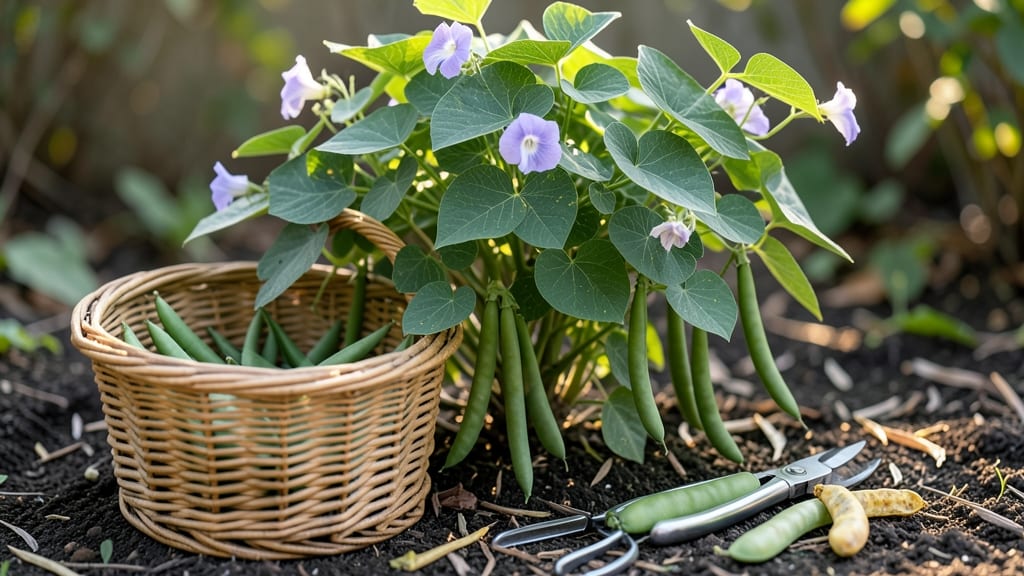
Harvesting kidney beans at the right time means the difference between tender, crisp pods and tough, stringy failures — and the key is knowing exactly when to pull them from the vine.
Picture this: you’ve spent weeks nurturing your 🌱 kidney beans, and now the pods are growing fast. One day they’re perfect for fresh eating; the next, they’re woody and shriveled.
Missing that narrow window costs you flavor and yield. Here’s how to spot the ideal moment before overgrowth ruins your crop.
Most varieties reach harvest readiness around 60 days after planting, but timing shifts with heat and variety. Look for pods that are 4–6 inches long, firm to the touch (like a fresh green bean), and still plump—not swollen with seeds.
Skip the guesswork with three simple tactile tests that tell you exactly when to pick.
Below, I’ll walk you through the three foolproof signs of harvest-ready beans, how to adjust for early or late seasons, and why consistent picking keeps your plants producing all summer long.

3 Tactile tests to determine kidney bean harvest readiness
Harvesting kidney beans at the perfect moment transforms your garden into a flavorful feast. The difference between tender, crisp pods and woody, overripe beans often comes down to three simple tactile tests.
These hands-on checks let you feel, see, and judge maturity without guesswork, ensuring your harvest delivers the best texture and taste.
Skipping these tests means risking underripe beans that lack flavor or overmature pods that turn tough and stringy. I’ve learned the hard way—once I waited too long, and my beans were nearly inedible!
The good news? With just your fingers and eyes, you can master these cues to harvest at peak perfection every time.
Here’s how to use touch, sight, and common sense to determine when your kidney beans are ready:
Press gently on the pod. If it feels thin but firm (like a crisp green bean), it’s ready. Thick or leathery shells mean it’s past its prime.
Squeeze the pod lightly—if the seeds inside feel plump but not hard, they’re at their sweetest. Hard seeds mean the pod overstayed its welcome.
Look for a vibrant green hue without yellowing or brown spots. Dull or mottled pods signal it’s time to harvest before quality declines.
Let’s break down each test in detail. The pod shell thickness is your first clue—think of it like testing a ripe avocado. A pod that gives slightly under gentle pressure is ideal.
If it feels rigid or bulges when pressed, it’s overripe. I once harvested a batch where the shells were nearly ½-inch thick, and the beans inside were as hard as pebbles!
Next, focus on the seed firmness inside the pod. Use your thumb and forefinger to press along the pod’s seam. If the seeds inside feel soft but not mushy, you’ve hit the sweet spot.
Overripe seeds will rattle inside like marbles, and underripe ones will feel flat and undeveloped. This test is especially critical for dry kidney beans, where seed firmness directly impacts cooking quality.
The pod color is your visual cue. Healthy, harvest-ready pods should be a uniform green, free of yellow or brown patches. A slight blush of color (like a faint purple tint in ‘Black Valentine’ varieties) is normal, but avoid pods with dull or fading hues.
Color changes often signal the plant is redirecting nutrients to seed development, leaving the pod tough and less flavorful.
Timing matters too—most kidney bean varieties reach harvest readiness 60-75 days after planting, but these tactile tests override calendar dates. For example, my ‘California White’ beans matured in 65 days in my Zone 7 garden, but a late heatwave delayed the ‘Black Valentine’ by nearly two weeks.
Always prioritize these physical checks over days-to-maturity charts.
Pro tip: Harvest in the morning when pods are cool and crisp. Avoid picking after a hot day, as pods can feel firmer due to dehydration. I’ve found that every 2-3 days of consistent harvesting encourages the plant to produce more pods, extending your harvest window by weeks.
It’s a game-changer for busy gardeners!
What if you miss the window? Don’t panic. Overripe pods can still be dried for winter use, though texture and flavor won’t match fresh picks. Simply remove the beans, spread them on a tray, and let them dry in a warm, well-ventilated spot for 1-2 weeks.
Underripe pods? Toss them—they won’t improve and may attract pests.
Master these three tests, and you’ll never again wonder, “Are these beans ready?” Your kitchen—and your taste buds—will thank you for the perfectly timed harvest every season. Happy picking! 🌱
Kidney bean harvest timing: days to maturity by variety
Timing your kidney bean harvest correctly ensures you enjoy tender, flavorful pods instead of tough, stringy ones. Each variety matures at slightly different rates, so knowing the days to maturity helps you plan for peak harvest windows.
Warmer climates may speed up growth, while cooler regions could extend the timeline by 1-2 weeks.
For most kidney bean varieties, pods reach harvest readiness between 50-75 days after planting. However, the exact timing depends on the specific cultivar and growing conditions. Early-season varieties like 'California White' often mature faster, while heirloom types like 'Black Valentine' take longer to reach peak harvest quality.
| Variety | Days to Maturity | Harvest Window | Climate Adjustment |
|---|---|---|---|
| Red Kidney | 60-70 days | July-August | Subtract 5 days in hot climates |
| Black Valentine | 70-80 days | August-September | Add 7-10 days in cool regions |
| California White | 50-60 days | June-July | Best for short seasons |
| King of the Garden | 65-75 days | Late July-September | Tolerates heat well |
If you're growing kidney beans in a short-season climate, opt for early-maturing varieties like 'California White' (50-60 days). These can be planted as soon as the soil warms to 60°F and will produce pods before cooler weather sets in.
For longer growing seasons, varieties like 'Red Kidney' or 'King of the Garden' provide extended harvest periods.
Monitor your plants closely during the last 2 weeks before expected maturity. Look for pods that are 4-6 inches long and firm to the touch. If you notice leaves yellowing or pods turning dry, harvest immediately—they won’t improve once they’ve overmatured.
Regular harvesting also encourages the plant to produce more pods throughout the season.
In hot climates, kidney beans may mature faster, so check pods every 2-3 days starting at 45 days after planting. Conversely, in cooler areas, extend your timeline by 1-2 weeks to account for slower growth. Adjust your planting schedule accordingly to avoid missing the harvest window entirely.
Pro tip: Keep a harvest journal to track when your specific variety reaches maturity. Note the planting date, first harvest date, and any climate quirks. Over time, you’ll fine-tune your timing for perfect pods every season. 🌱