
How To
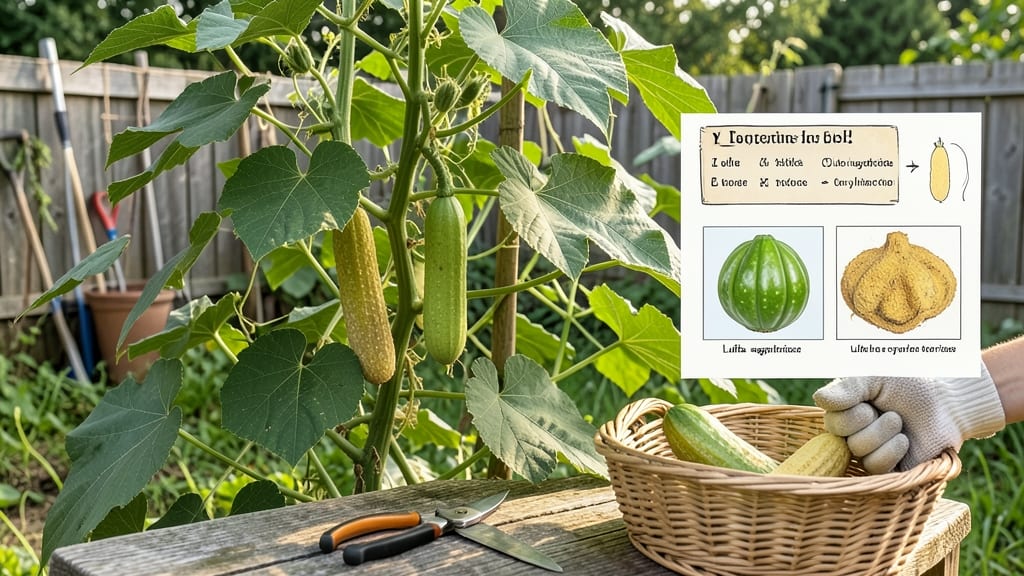
Harvesting loofah at the right time turns your garden into a natural sponge factory—but wait too long, and you’ll end up with bitter, unusable pods.
Picture this: your 🎋 loofah vines are thriving in USDA Zone 6a, and the pods are starting to crack open on their own. That’s your cue to act! Missing this window means tough, inedible fruit instead of the soft, fibrous texture you can turn into long-lasting sponges.
Timing is everything, especially since loofahs mature between 90 and 120 days after planting in spring. The key is watching for color shifts—from green to yellowish-brown—and listening for that telltale rattle when you shake the pods.
In this guide, I’ll walk you through the exact signs to look for, seasonal adjustments for your climate, and how to dry your harvest for the perfect sponge texture every time.

Signs your loofah pods are ready for harvesting (natural cracking & color changes)
Harvesting loofah gourds at the perfect moment ensures you get plush, durable sponges instead of bitter or brittle fruit. The key lies in observing three primary visual cues: natural cracking patterns, color shifts, and physical changes to the pod's structure.
When these signs appear together, you've hit the ideal harvest window for maximum usability.
Start by checking the pod's exterior for the first telltale sign: yellowish-brown streaks that develop as the fruit matures. These streaks often appear near the stem attachment point first and gradually spread.
Unlike immature pods, which remain green and firm, a ready-to-harvest loofah will show dry, papery patches where the skin begins to split naturally.
Next, examine the stem separation point. A ripe loofah pod will easily detach from the vine with a gentle twist, leaving behind a clean break near the stem base. If the pod resists or tears, it's not yet ready.
This separation is crucial because it indicates the internal fibers have fully developed—the very material that transforms into your sponge.
The third critical indicator is seed visibility through the cracks. When you hold the pod up to light, you should see fully formed, dark seeds inside. These seeds act as a natural maturity marker, signaling that the fibrous interior has reached peak texture.
If seeds are still small or pale, wait a few more days before harvesting.
A common mistake is harvesting loofah pods when they're partially cracked but still green. These pods often produce bitter-tasting fruit and poor-quality sponges. Always wait until the entire pod shows dry, mature characteristics—even if that means leaving it on the vine for an extra week.
Patience here directly impacts the final sponge texture you'll achieve after drying.
For optimal harvest timing, aim to pick loofahs when the morning dew has evaporated but before the midday heat sets in. This timing prevents rot or sunburn on freshly harvested pods.
Use clean, sharp pruning shears to cut the stem, leaving about 1-2 inches of stem attached to the pod. This small stem piece helps with proper drying later.
After harvesting, place your loofahs in a well-ventilated, shaded area for 2-4 weeks to dry completely. The drying process is just as critical as the harvest timing—rushed drying leads to weak, brittle sponges.
During this period, you'll notice the pods darken further and the flesh inside turns woody, which is normal and necessary for creating a long-lasting sponge.
One final pro tip: If you're growing loofahs in a cooler climate, expect the harvest window to shift 2-3 weeks later compared to tropical regions. Always monitor your local first frost date—harvesting before frost ensures you don't lose your entire crop to freeze damage.
In my Zone 6a garden, I typically harvest between late September and early October, just before the first signs of frost appear.
By mastering these visual and physical indicators, you'll transform your loofah harvest from a gamble into a reliable source of premium sponges.
The next time you see those telltale yellow streaks and hear the seeds rattle, you'll know it's time to celebrate—your garden just gave you a free, eco-friendly cleaning tool!
Loofah harvesting timeline: Month-by-Month growth stages explained
Understanding the month-by-month growth stages of loofah plants helps you predict harvest timing with precision. In temperate zones, like USDA Zone 6a, your loofahs typically mature between late summer and early fall, while tropical climates may extend this window into winter.
The key is recognizing when your vines transition from active growth to natural senescence—a process that signals perfect harvest readiness.
Loofahs thrive on seasonal cues, so adjusting for your climate is crucial. In cooler regions, a first frost can accelerate maturity, while tropical heat may slow the process.
By tracking these stages, you’ll avoid common mistakes like harvesting too early (resulting in bitter, underdeveloped pods) or too late (leading to rotting fruit on the vine). Let’s break down the timeline so you can plan your harvest like a pro.
📅 Loofah Growth & Harvest Timeline
- 🌱 Month 1 (April-May): Plant seeds after last frost. Vines emerge with heart-shaped leaves and begin rapid growth.
- 🌿 Month 2 (June): Flowering begins. Male and female flowers appear on separate vines; hand-pollinate for fruit set.
- 🎋 Month 3 (July): Young pods form (green, soft, and spongy). Avoid harvesting—let them mature fully.
- 🌞 Month 4 (August): Pods harden and turn yellowish-brown. Vines may slow growth as energy shifts to fruit.
- 🍂 Month 5 (September-October): Harvest window opens. Pods naturally crack open and seeds rattle inside.
- ❄️ Month 6+ (Post-Frost): In cold climates, accelerate harvest before frost kills vines. Tropical zones may extend harvest into November.
If you’re in a temperate zone, aim to harvest between 90 and 120 days after planting, typically in September or early October. Look for dry, woody vines and hardened pods that split open naturally—a sure sign your loofahs are ready.
In tropical climates, where frost isn’t a factor, pods may mature later, sometimes into December or January, depending on rainfall and temperature.
To accelerate harvest in cooler months, reduce watering slightly in late summer to stress the plant and trigger maturity. Conversely, in hot, dry spells, increase watering to prevent premature vine death. Always prioritize pod texture: fully mature loofahs should feel dry and papery when touched, with no give.
Overripe pods become brittle and crumble easily—so act quickly once you spot those natural cracks!
Once harvested, loofahs need 4-6 weeks of drying in a well-ventilated area to develop their signature sponge-like texture. Store them in a cool, dry place until fully cured. With this timeline, you’ll turn your loofah vines into a sustainable sponge factory in no time.