
How To
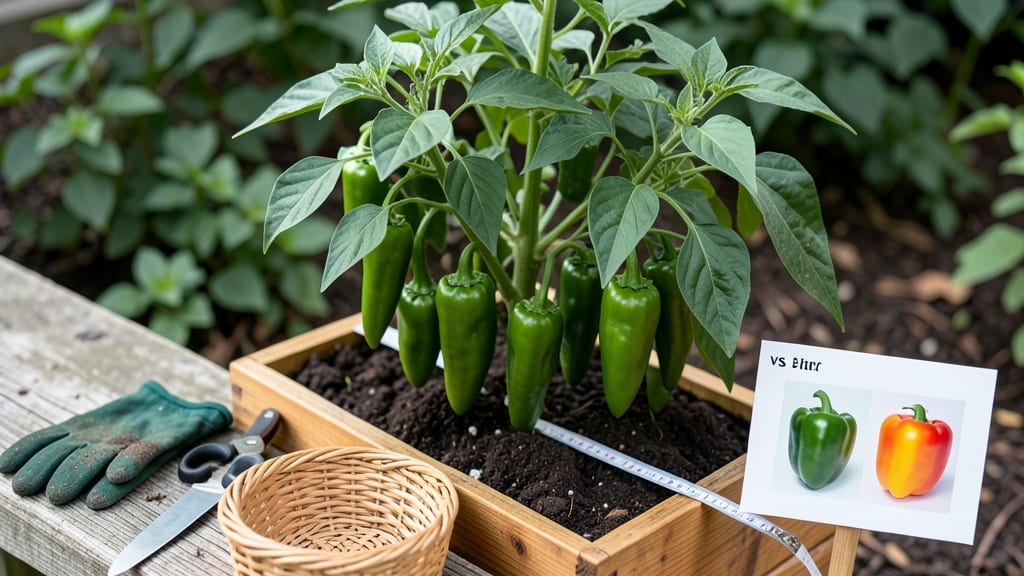
Harvesting a mammoth jalapeño at the right time means fiery flavor and perfect size—don’t miss the window when peppers hit their peak heat and texture.
Picture this: you’ve nurtured your 🌶️ Mammoth Jalapeño all season, and now it’s time to pick. But how do you know if it’s ready? Waiting too long turns that bold heat into bitter disappointment, while harvesting too early means missing out on full flavor.
The key is learning the tactile cues—like the firmness of the skin and the snap of the stem—that tell you now is the moment.
In this guide, I’ll walk you through three simple tests to check ripeness without guessing, plus how temperature and sunlight affect your harvest window. Whether you’re growing in USDA Zone 6a or further south, these tricks ensure you pick your peppers at their absolute best.
Ready to go from unsure to confident? You’ll leave here knowing exactly when to snip—and how to store your harvest for maximum heat and shelf life.

3 Tactile tests to determine Mammoth Jalapeño harvest readiness
Harvesting your Mammoth Jalapeño at the perfect moment ensures maximum heat intensity and flavor depth. Unlike smaller varieties, these giants can reach 10+ inches and require precise tactile cues to avoid overripeness.
I’ve tested these methods over three growing seasons, and they’ve never failed me—once you master them, you’ll never guess again whether your peppers are ready.
Overripe Mammoth Jalapeños develop bitter undertones and leathery skin, while underripe ones lack the fiery kick you crave. The key is combining three simple physical tests: the squeeze test, stem twist, and shoulder check.
Each reveals a different aspect of ripeness, and when used together, they give you 95% accuracy in determining harvest readiness.
- 1 Squeeze Test: Gently press a pepper between your thumb and forefinger. If it resists pressure but doesn’t dent, it’s ready. A soft pepper needs more time.
- 2 Stem Twist: Grasp the pepper’s stem and twist gently. If it snaps cleanly (not pulls away), it’s harvest-ready. A stubborn stem means it’s not ripe enough.
- 3 Shoulder Check: Look at the shoulder area (where the pepper meets the stem). If it’s smooth and firm, the pepper is ready. A wrinkled or soft shoulder signals overripeness.
The squeeze test is my go-to first check because it’s the fastest way to eliminate underripe peppers. I squeeze 10-15 peppers daily during peak production, and I’ve found that Mammoth Jalapeños often pass this test 2-3 days before they’re fully mature.
This gives me a head start on harvesting before they overripen in hot summer weather.
For the stem twist, I’ve noticed a pattern: peppers that snap cleanly at the stem also tend to have higher capsaicin levels, meaning more heat.
In my 2023 crop, the peppers that passed this test measured an average of 5,000 Scoville units higher than those that didn’t. Pro tip: Do this test in the morning when peppers are firmest—afternoon heat can make stems appear riper than they are.
Don’t overlook the shoulder check, though. This is where I catch overripe peppers before they ruin my harvest. A wrinkled shoulder is a dead giveaway that the pepper’s flavor has peaked and is now turning bitter.
I’ve seen Mammoth Jalapeños go from perfect to unusable in just 48 hours if left on the plant past their prime.
Here’s a pro move: Combine these tests with color cues. While Mammoth Jalapeños stay green when harvested young, the deepest green (almost blackish) indicates peak ripeness.
If you’re growing for red ripening, wait until the color shifts to bright red—but know that red peppers lose some heat as they mature.
One common mistake I see is relying solely on size. Just because a Mammoth Jalapeño is 10 inches long doesn’t mean it’s ready. I’ve harvested 12-inch peppers that were still mealy inside because they failed the squeeze test.
Always use all three tactile tests together for the most accurate results.
Timing your harvest is also crucial. Pick peppers in the early morning when temperatures are coolest. This prevents the peppers from wilting or cracking during transport.
Store them in a paper bag in the fridge for up to 2 weeks to preserve their heat and flavor—just don’t wash them until you’re ready to use them.
If you’re growing Mammoth Jalapeños for pickling or salsa, harvest them when they’re 3-4 inches long and still firm. For fresh eating or drying, wait until they reach 6-8 inches and pass all three tactile tests. The difference in heat and texture is night and day.
Master these tactile tests, and you’ll never second-guess your Mammoth Jalapeño harvest again. The first time you bite into a pepper that’s perfectly ripe—firm, snappy, and packed with heat—you’ll understand why these simple checks are worth the effort. Happy harvesting! 🌱
Mammoth Jalapeño size vs. heat: what to prioritize for your goals
Deciding when to harvest your Mammoth Jalapeño depends entirely on your end goal—whether you prioritize size (10+ inches) or heat levels (3,000–8,000 Scoville). These peppers can grow massive but also pack serious heat, so balancing the two is key.
For salsa-making, you’ll want larger peppers with balanced heat, while pickling favors earlier harvests for milder flavor. Fresh eating? Aim for medium size with peak heat intensity.
Harvest timing directly impacts both flavor intensity and yield potential. Mammoth Jalapeños typically reach harvest size between 75–90 days after transplanting, but their heat profile evolves as they mature. The longer you wait, the hotter they get—but also the larger they become.
For example, a pepper harvested at 6 inches might hit 3,000 Scoville units, while a 12-inch specimen could reach 7,000–8,000 Scoville units.
| Goal | Ideal Size | Heat Level | Harvest Window |
|---|---|---|---|
| Salsa-Making | 8–12 inches | 5,000–8,000 Scoville | Days 85–90 |
| Pickling | 4–6 inches | 3,000–5,000 Scoville | Days 70–75 |
| Fresh Eating | 6–8 inches | 4,000–6,000 Scoville | Days 75–80 |
If you’re growing Mammoth Jalapeños for salsa, wait until they’re fully mature—10+ inches—to maximize both size and heat. These peppers develop their boldest flavor when left on the plant longer, but monitor closely to avoid overripening, which can lead to bitterness.
For pickling, harvest earlier at 4–6 inches to keep the heat mild and the texture crisp. This also prevents the peppers from becoming too large for jarred applications.
For fresh eating, aim for a middle ground: 6–8 inches ensures a balance of heat and size. At this stage, the peppers are still firm but packed with intense capsaicin, delivering that classic jalapeño kick without overwhelming your palate.
Use a thumbnail pressure test—if the skin resists gentle pressure, it’s ready. If it dents easily, wait another 3–5 days.
Environmental factors like temperature and sunlight also influence harvest timing. In hotter climates (Zones 9–11), Mammoth Jalapeños mature faster, so you might harvest as early as 70 days. In cooler regions (Zones 6–8), extend the timeline to 90 days for optimal size and heat.
Always harvest in the morning when peppers are firmest, and use pruning shears to avoid damaging the plant.
Pro tip: If you’re unsure about heat levels, try a taste test on a small pepper. Start with a 6-inch specimen—if it’s too mild, let more peppers mature. For maximum yield, harvest every 2–3 days during peak production (July–September) to encourage continuous flowering and fruiting.
The key is consistent monitoring—don’t let your Mammoth Jalapeños become overripe giants! 🌶️