
How To
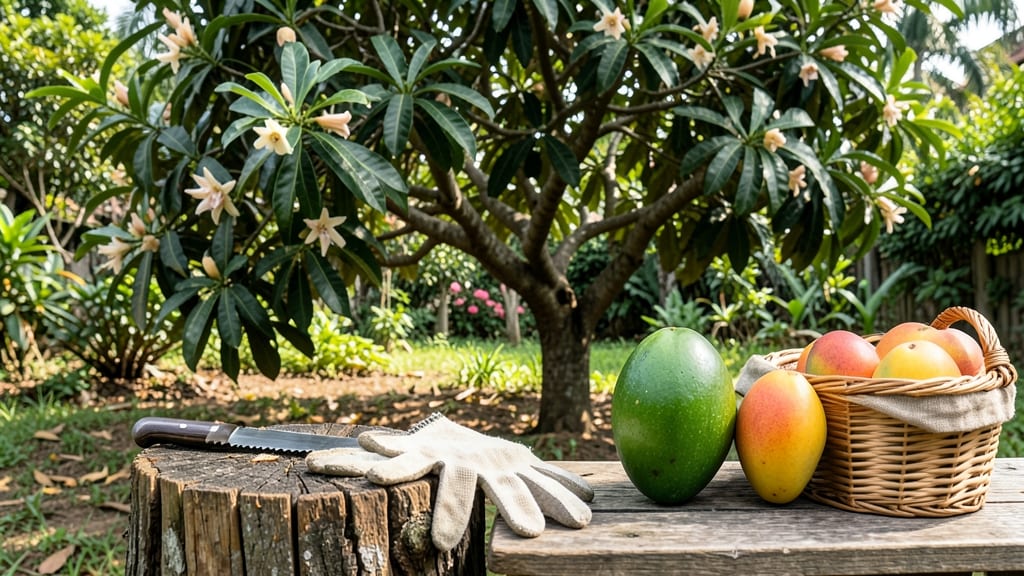
Harvesting a mango at the right time means the difference between a burst of sweet, juicy perfection and a mealy, underripe letdown — and most gardeners miss the mark.
Picture this: you’ve spent months waiting for your 🥭 to ripen, only to pick it too soon and watch it spoil on the counter. Or worse, you wait too long and end up with a mushy mess.
The key? Learning the three tactile tests that tell you exactly when to pluck it.
In General (Tropical/Subtropical) zones like 10-11, mangoes typically ripen between April and July, but timing varies by variety. I’ll walk you through how to check for color shifts, stem resistance, and the perfect give—so you never guess again.
By the end, you’ll know how to harvest with confidence, whether you’re growing Ataulfo or Keitt, and what to do if you pick too early (or too late). Let’s get started.


3 Tactile tests to determine mango ripeness before picking
Harvesting mangoes at the right moment transforms a simple fruit into a burst of tropical sweetness. But without experience, it’s easy to pick them too early—ending up with hard, flavorless disappointment—or too late, risking overripe mushiness.
The key lies in three science-backed tactile tests that reveal ripeness before the fruit even detaches from the tree.
First, understand that mangoes never fully ripen on the tree. They reach a harvest-ready stage where they’re firm but yielding, and their color shifts toward maturity.
These three tests—pressure, twist, and color—work together like a ripeness checklist to guide your hand. Master them, and you’ll consistently harvest at peak flavor.
Gentle Pressure Test
Press your thumb into the blossom end (opposite the stem). A ripe mango yields just slightly—like pressing a ripe avocado—but doesn’t feel mushy or squishy.
Stem Twist Resistance
Grasp the fruit’s stem and twist gently. If it separates cleanly with a slight pop, the mango is ready. Too much resistance? Wait 2–3 more days.
Color Cues by Variety
Ataulfo turns bright yellow-green; Tommy Atkins shifts to deep red-orange. Look for even color change—uneven patches mean uneven ripeness.
Start with the pressure test because it’s the most reliable indicator of internal ripeness. Place your thumb on the blossom end (the flat side opposite the stem) and apply light pressure. A ripe mango should give way just slightly, like pressing a ripe peach.
If it feels rock-hard, it’s not ready—wait another 3–5 days. If it’s too soft or leaves a deep dent, you’ve missed the window.
The stem twist test is your second checkpoint. Mangoes are abscission-ready when their stems separate easily from the branch. Twist the fruit gently near the stem—if it snaps cleanly with minimal force, it’s time to harvest.
This test works because the fruit’s ethylene production (a ripening hormone) triggers natural separation. Resist the urge to yank; a gentle twist prevents stem damage.
Finally, color cues act as a visual confirmation. Different varieties have distinct ripening colors: Ataulfo turns golden-yellow, Keitt develops a deep red blush, and Tommy Atkins shifts to orange-red.
However, color alone isn’t enough—some mangoes never fully color up on the tree. Always combine this with the pressure and twist tests for accuracy.
Pro tip: Harvest in the early morning when temperatures are cool. This reduces ethylene damage and keeps the fruit firmer during transport. Once picked, place mangoes in a paper bag with a banana or apple to speed up ripening at home. The ethylene gas from these fruits accelerates softening naturally.
If you’re still unsure, cut into the fruit to check the seed. A ripe mango’s seed should be brown and soft—not white or hard. This final test is foolproof but should only be used if you’re desperate for confirmation.
Over time, your hands will develop an instinct for the perfect harvest moment, but these three tests ensure you never miss it.
Remember, overripe mangoes are a waste of a tree’s effort. They turn mealy and ferment, losing their signature sweet-tart balance. By mastering these tactile tests, you’ll consistently harvest at peak ripeness, ensuring every bite is a tropical masterpiece. 🌱🥭
How mango varieties affect harvest timing (with ripening speed guide)
Not all mango varieties ripen at the same pace, and your local climate plays a huge role in when you can harvest. For example, Tommy Atkins—the most common grocery store variety—takes 30–40 days to ripen after picking, while Ataulfo (the "honey mango") softens in just 15–20 days.
Understanding these differences helps you plan for the best flavor and avoid wasted fruit.
In warmer climates like USDA Zones 10–11, mangoes often ripen on the tree between April and July, but cooler microclimates may delay harvest by 2–4 weeks. Even within the same variety, a hot summer can speed up ripening, while cooler springs slow it down.
Always check the stem twist and skin color—these are your best clues regardless of variety.
🌱
| Variety | Harvest Window | Ripening Time (Off-Tree) | Climate Notes |
|---|---|---|---|
| Tommy Atkins | May–June | 30–40 days | Tolerates cooler temps; ripens slower in Zone 9 |
| Keitt | June–July | 25–35 days | Needs full sun; heat accelerates ripening |
| Ataulfo | April–May | 15–20 days | Early season; best in tropical climates |
| Haden | June–July | 20–30 days | Balanced for most USDA Zones 10–11 |
| Kent | May–June | 35–45 days | Slowest ripener; needs warm storage |
If you're growing multiple varieties, prioritize harvesting the fastest-ripening ones first—like Ataulfo—to avoid overripe fruit. For example, in South Florida, Ataulfo mangoes might be ready by late April, while Tommy Atkins lingers until June.
In cooler California coastal areas, expect delays of 2–3 weeks for all varieties.
Pro tip: Use a harvest calendar to track when each variety typically matures in your area. Start by marking 3–4 weeks before the earliest expected harvest date, then perform the gentle pressure test daily.
This way, you’ll catch mangoes at their peak—when the flesh is firm but yielding and the aroma is sweetly tropical.
Climate also affects how long mangoes stay on the tree. In high humidity, like in Hawaii or Puerto Rico, fruit may soften faster and drop prematurely. In drier regions, like Arizona, mangoes often hang longer but concentrate sugars more slowly.
Always adjust your expectations based on your local heat and rainfall patterns.
Remember, even the ripest mango won’t improve after picking if harvested too early. The seed color is your final check—if it’s brown and soft, it’s time to harvest. Ignore this, and you’ll end up with fermented pulp instead of sweet slices. 🌿