
How To
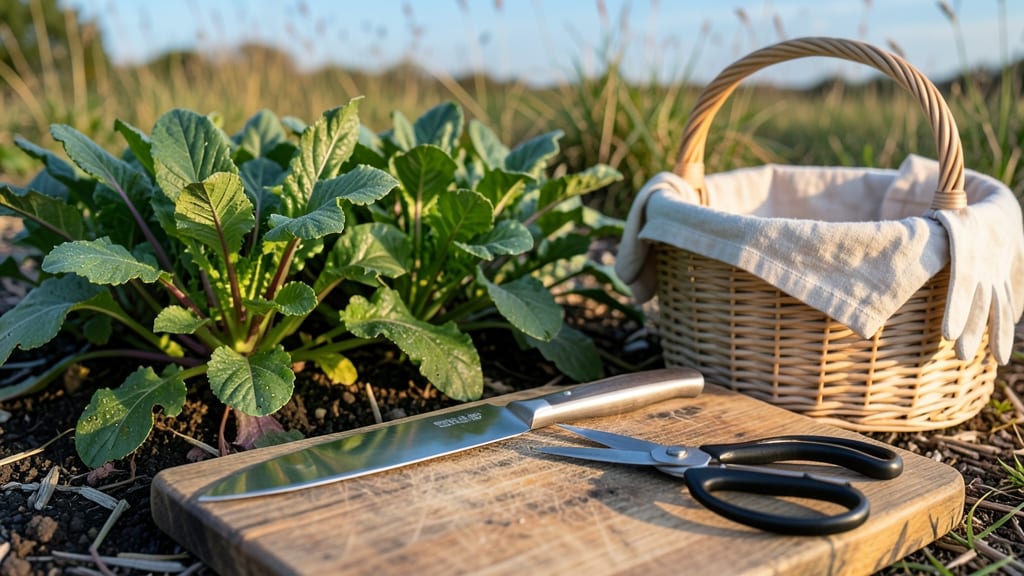
Harvesting mustard greens at the right time ensures tender, flavorful leaves instead of bitter, tough ones 🌱 — and missing the window means your crop bolts before you can enjoy it.
Picture this: you’ve nurtured your mustard greens for weeks, and now they’re thriving. But how do you know when to snip? Too early, and you’re left with sparse regrowth; too late, and the heat sends them shooting up into seed stalks.
The secret lies in leaf size, color, and the calendar.
Ideal mustard greens for harvest are about 4-6 inches long, with outer leaves fully unfurled but still crisp. Look for a vibrant green hue—purple-red tinges signal maturity, but wait too long, and the leaves turn bitter.
In Zone 6a, spring crops are ready by May-June, while fall plantings peak in October-November.
Below, I’ll walk you through the exact visual cues, how to avoid bolting, and the best techniques to keep your harvest coming all season long—no wasted effort or disappointing flavor.

How to identify mustard greens ready for harvest by leaf color & size
Harvesting mustard greens at the right moment transforms your garden into a flavor powerhouse. The key lies in watching for leaf size and color shifts—both tell you exactly when to snip for tender, sweet greens.
Ignore these cues, and you risk bitter, fibrous leaves or worse, bolting plants that go to seed before you can enjoy them.
Most mustard green varieties reach harvest readiness in 4-6 weeks after planting, but timing varies slightly by type. For example, Southern Giant Curled matures faster than Red Giant, which develops deeper color and larger leaves. Pay attention to these visual signals to avoid missing the window.
🌱
Start by checking the outer leaves first—they mature earliest. Look for leaves that are 4-6 inches long and fully unfurled, with a crisp texture when gently squeezed.
These are your first harvest candidates. The deep green color indicates peak tenderness, while leaves turning yellow or developing a tough stem mean you’ve waited too long.
For varieties like Red Giant, watch for a purple-red hue on the leaf edges—this signals maturity and adds a peppery kick to the flavor. Harvest these leaves when they’re still 70% purple to avoid bitterness.
The center leaves will continue growing, giving you multiple harvests over 2-3 weeks if you use the cut-and-come-again method.
💚
One common mistake is harvesting mustard greens too late, when the leaves become fibrous and bitter. This happens when plants sense long daylight hours or warm temperatures, triggering bolting.
If you notice the plant sending up a flower stalk, it’s past its prime—save those leaves for stir-fries where bitterness can add depth, but avoid using them in salads.
To maximize your harvest, pick leaves in the morning after dew dries but before the heat of the day. Use clean, sharp pruning shears or scissors to snip leaves just above a leaf node.
This encourages new growth while keeping the plant healthy. For Southern Giant Curled, you can harvest individual leaves, but for Florida Broadleaf, it’s better to cut entire side shoots to maintain shape.
🌿
If your mustard greens start developing yellow edges or wrinkled leaves, it’s a sign of overmaturity or stress. In this case, harvest immediately to salvage what you can. For future harvests, focus on consistent moisture and partial shade during hot afternoons to slow down the bolting process.
With the right timing, you’ll enjoy tender, flavorful greens for weeks!
Mustard greens harvest timing: prevent bolting & maximize yield
Timing your mustard greens harvest is everything—picking too early means wasted effort, while waiting too long leads to bolting and bitter leaves. The key is using the cut-and-come-again method to extend your harvest window and avoid the common pitfall of heat-induced bolting.
By understanding temperature triggers and visual cues, you can keep your plants producing tender greens for weeks.
Mustard greens thrive in cool-season conditions (ideal temperatures between 45°F and 75°F). When daytime temperatures climb above 75°F or nighttime temps stay above 60°F, your plants will bolt—sending up flower stalks and ruining their tender texture.
This is why fall planting often yields better results than summer harvests in warmer climates.
⚠️ Critical Harvest Window Alert
Harvest mustard greens when leaves reach 4-6 inches and are dark green and crisp. Wait too long, and you'll trigger bolting—look for yellowing leaves or flower stalks as warning signs. For continuous harvests, pick outer leaves first, leaving the inner growth to mature.
Temperature Tip: If daytime temps exceed 75°F, harvest aggressively or shade plants to delay bolting. Fall-planted greens often avoid this issue entirely.
To maximize yield, use the cut-and-come-again method: Snip the outer leaves when they reach 4-6 inches, leaving the inner growth intact. This encourages regrowth and extends your harvest by 3-4 weeks.
Avoid cutting more than 1/3 of the plant at once, or you risk stunting regrowth. For Southern Giant Curled varieties, this method works especially well—just be patient and consistent.
Watch for bolting signs like tall, thin stems or yellow flowers emerging from the center. Once bolting starts, the leaves become tough and bitter, making them unusable. If you catch it early, you can still salvage the lower leaves for cooking, but flavor will suffer.
In hot climates, consider shade cloth or succession planting in fall to avoid this entirely.
Temperature plays a huge role in harvest timing. In spring plantings, aim to harvest before May temperatures rise above 70°F. For fall plantings, time your harvest before the first frost (typically October-November in most zones).
If frost threatens before you’re done, harvest everything and store in the fridge for 5-7 days to extend freshness.
Pro tip: Mulch around plants to keep soil cool and retain moisture, which helps delay bolting. A 2-inch layer of straw works wonders in summer heat. And if your greens start bolting prematurely, don’t panic—just harvest what you can and replant for a second crop in late summer.
With the right timing, you’ll enjoy tender, flavorful greens for months!