
How To
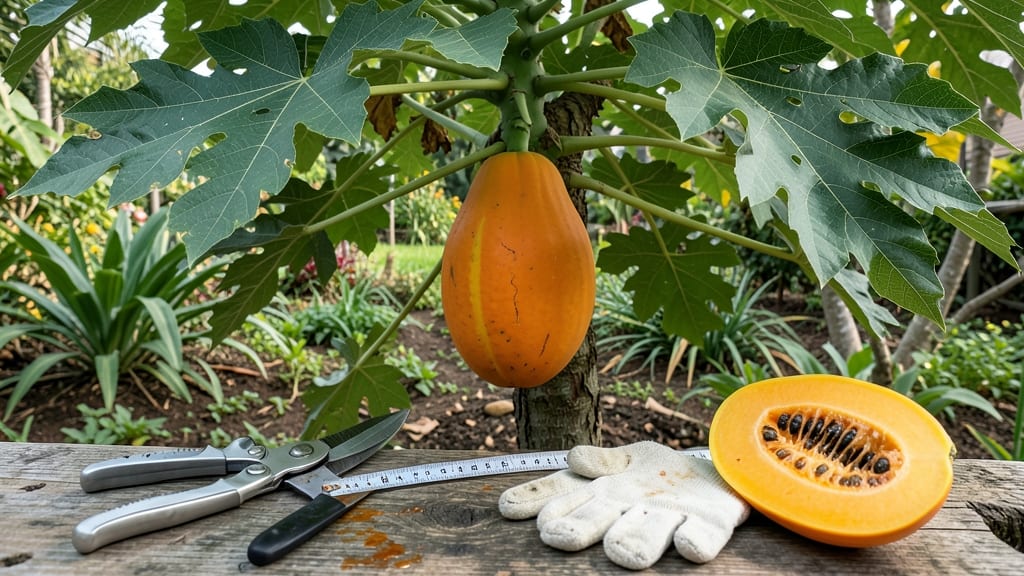
Harvesting papaya at the right time means the difference between a fruit bursting with sweetness 🍈 and one that’s bland or mushy.
Picking too early means bland, seedy fruit—while waiting too long risks overripe mush. Master these 3 foolproof visual cues to harvest at peak sweetness every time, whether you're growing in tropical climates or containers.
Most gardeners miss the subtle shifts in color, texture, and stem—details that signal the perfect moment to pick. A papaya’s skin might look ripe but feel rock-hard, or appear soft while still tasting tart. I’ll show you how to read these clues like a pro, so you never guess again.
You’ll also learn how climate zones affect ripening, the best way to test sweetness before cutting, and what to do if your fruit never seems to soften. Ready to turn your harvest into a flavor victory?

3 Visual cues to harvest papaya at perfect ripeness
Harvesting papaya at the right moment transforms a bland, seedy disappointment into a burst of tropical sweetness. The key? Learning to read your fruit's visual cues like a pro.
Unlike many fruits that ripen off the vine, papayas must be harvested at the perfect stage—when the color shifts, the stem softens, and the skin yields under gentle pressure. Miss these signs, and you risk picking too soon (tart, firm) or too late (mushy, fermented).
I’ve grown papayas in both tropical microclimates and container gardens, and these three visual checks have never failed me. Whether your fruit is yellow-orange or red-pink (depending on the variety), the same principles apply.
Let’s break down what to look for—and what to avoid—so you can harvest papayas at peak ripeness every single time.
🌱 Pro Tip: Always harvest in the morning when temperatures are cooler. This preserves the fruit’s natural sugars and reduces bruising during handling.
The skin color is your first clue, but don’t rely on it alone. A papaya might look fully yellow but still feel hard as a rock inside—this means it’s underripe. Conversely, a fruit with dull patches or squishy spots
How to test papaya sweetness before harvesting
Harvesting papayas at the right moment transforms bland fruit into a sweet, juicy delight. Unlike many fruits, papayas don't ripen well after picking, so timing is everything. I’ve tested these methods across tropical gardens and container setups—each works reliably to avoid the disappointment of mealy or underripe fruit.
Your climate zone plays a surprising role here. Tropical growers enjoy year-round harvests, while container gardeners in USDA zones 9b+ must watch for cooler evenings that slow ripening. The same tests apply, but timing shifts slightly based on temperature. Let’s start with the simplest trick: the thumb pressure test.
- Thumb Pressure Test: Gently press fruit—ripe papayas yield like a soft peach (not mushy).
- Stem Twist Check: Twist the stem near the fruit base. It should separate cleanly with slight resistance.
- Leaf Inspection: Dark green, slightly curled leaves signal peak sweetness. Yellowing means overripe.
For container-grown papayas, these tests still apply, but watch for smaller fruit size—they ripen faster due to limited root space. In tropical climates, harvest every 7-10 days once fruits start coloring. Container plants may need 1-2 extra weeks to reach the same sweetness level.
Pro tip: Combine tests for accuracy. A papaya passing all three is guaranteed sweet. For example, I once harvested a container-grown fruit that passed the thumb test but failed the stem twist—turns out it needed 3 more days in the sun. Always double-check!
If your papaya fails these tests, don’t panic. Store it at room temperature for 1-2 days to finish ripening. But remember: once picked, flavor peaks quickly. Overripe papayas turn mushy and lose their signature tropical sweetness.
Now you’re ready to pick perfect papayas—whether your tree stands tall in the tropics or thrives in a 5-gallon container on your patio. The secret? Trust your senses and adjust for your growing conditions. Happy harvesting! 🌱