
Vegetables
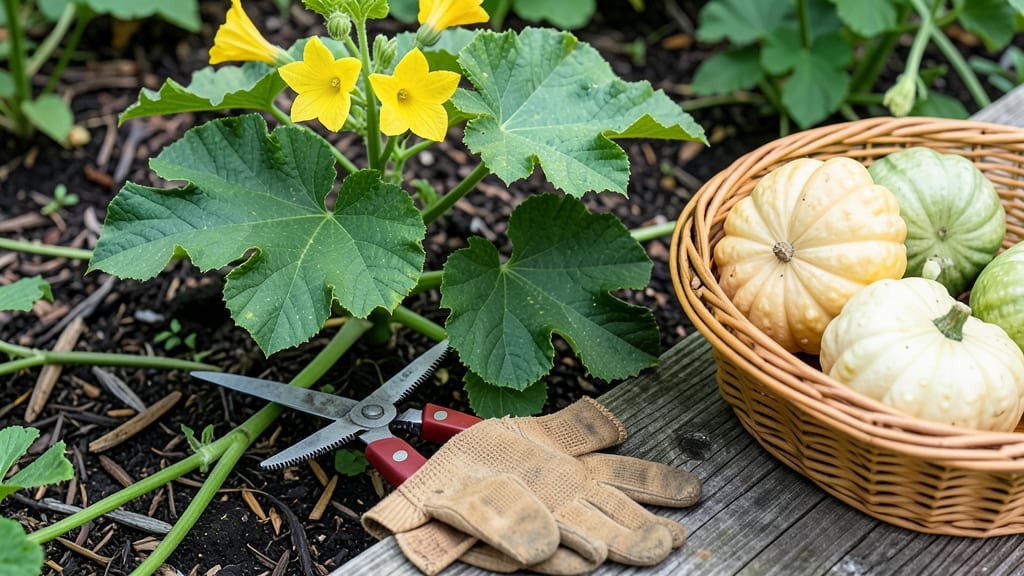
Harvest your patty pan squash 🎃 when the fruits reach 3 to 5 inches wide and the skin turns a deep, glossy green—this is the sweet spot for peak flavor.
Patty pan squash—with its delicate, scalloped edges and tender flesh—is a garden favorite, but timing its harvest is everything. Pick too early, and you’ll miss the sweet, nutty flavor; too late, and the skin toughens, turning your prized harvest into a chewy disappointment.
Most gardeners in Zone 6a start harvesting in late July, but the real clues are in the squash itself: a firm, glossy skin and a slightly hardened stem signal it’s ready. Ignore these cues, and you risk ending up with bitter, overripe produce.
Below, I’ll walk you through the 3 foolproof ways to test ripeness, how to store your harvest for freshness, and even how to stretch your growing season for a longer supply of these summer stars.
3 Visual cues to harvest patty pan squash at perfect ripeness
Timing the harvest of patty pan squash is an art that balances flavor, texture, and nutritional value. Unlike some squash varieties, patty pans don’t ripen further after picking, so missing the window means losing that delicate sweetness and tender skin.
The key lies in three simple visual cues: size, color, and stem condition. Master these, and you’ll enjoy squash at their peak every time.
First, focus on the diameter of the squash. When patty pans reach 3 to 5 inches across, they’re typically ready to harvest. This size ensures the flesh is thick enough for slicing or stuffing but hasn’t become woody or fibrous.
Smaller squash (under 2 inches) will be underdeveloped, with a watery texture and mild flavor. Waiting too long past 5 inches risks toughening the skin and altering the taste.
Next, examine the skin color. Ripe patty pan squash develop a deep, even color—usually a vibrant yellow, green, or orange, depending on the variety. The skin should also appear glossy and slightly firm to the touch.
A dull or patchy color indicates the squash isn’t fully matured. Overripe squash may darken or develop soft spots, signaling it’s past its prime and best avoided for cooking.
Finally, check the stem. A ripe patty pan will have a stem that’s slightly hardened but not woody. Gently twist the stem—if it snaps cleanly with minimal resistance, the squash is ready. A stem that’s still soft or easily pulled away means the squash needs more time.
Conversely, a dry, brittle stem is a red flag for overripeness, often accompanied by a hollow sound when tapped.
| Ripe Patty Pan Squash | Overripe Patty Pan Squash |
|---|---|
|
Size: 3-5 inches in diameter |
Size: Larger than 5 inches, often uneven |
|
Color: Deep, even hue (yellow, green, or orange) |
Color: Dull or mottled, may darken |
|
Stem: Slightly hardened, snaps cleanly |
Stem: Dry and brittle, may pull away easily |
|
Skin: Firm and glossy, tender when cut |
Skin: Tough or leathery, may have soft spots |
|
Texture: Sweet and nutty, firm flesh |
Texture: Bland or fibrous, may be hollow inside |
Harvesting at the right time also depends on the variety of patty pan squash you’re growing. Some, like 'Golden Delicious', ripen slightly earlier than others, such as 'Green Tiffany'.
Always refer to the seed packet for days to maturity guidelines, but use the visual cues above as your final judge. For example, if your squash reaches 4 inches but the skin is still pale, give it a few more days in the sun.
Pro tip: Use a sharp pruning shear or knife to harvest, leaving a 1-inch stem attached. This helps the squash heal faster and reduces the risk of rot or disease entering the plant. Avoid tugging or twisting the squash off, as this can damage the vine and stress the plant.
After harvesting, store your patty pans in a cool, dry place (around 50-55°F) for up to 2 weeks to preserve freshness.
If you’re unsure whether your squash is ready, perform a quick thump test. Hold the squash and give it a gentle tap with your knuckles. A ripe patty pan will produce a hollow, crisp sound, similar to a ripe cantaloupe.
A dull thud means it needs more time. This trick works especially well for green varieties, where color changes can be subtle. Combine the thump test with the visual cues above for foolproof results every time.
Remember, patty pan squash don’t continue ripening after harvest, so act quickly once you spot these signs. The sooner you pick them, the longer you’ll enjoy their peak flavor in your kitchen.
Whether you’re stuffing them, sautéing, or roasting, harvesting at the right moment ensures every bite is packed with that summer garden sweetness we all love.
For gardeners in USDA Zone 6a or warmer, aim to harvest between mid-July and early September, aligning with the plant’s natural growth cycle. If your season is shorter, opt for early-maturing varieties (around 50 days) to maximize your harvest window.
With these visual cues in hand, you’ll never miss the perfect moment to pick your patty pans again!
How to test patty pan squash for sweetness before harvesting
Harvesting patty pan squash at the perfect moment guarantees that sweet, nutty flavor we all love. But how do you know when they're truly ready? The key lies in a simple three-step test that checks for firmness, stem condition, and internal sweetness.
These methods work together like a foolproof system to ensure you never miss the window.
Start by gently pressing the squash with your thumb. A ripe patty pan will feel firm but slightly yielding, like a ripe avocado. If it feels too soft or mushy, it’s overripe.
If it’s rock-hard, it’s not ready yet. This simple pressure test saves you from guessing and ensures you harvest at peak flavor and texture.
- 👆 Press Test: Gently press the squash – it should give slightly (not mushy or hard).
- 🌱 Stem Check: Look for a slight hardening where the stem meets the squash.
- 🎵 Thump Test: Tap the squash – a hollow sound means it’s ready!
Next, examine the stem where it attaches to the squash. A ripe patty pan will show a slightly hardened stem base, almost like a tiny callus. This is nature’s way of telling you the squash is maturing and storing sugars.
If the stem is still soft or green, wait a few days before testing again.
The thump test is my favorite trick for confirming ripeness. Hold the squash in one hand and tap it lightly with your knuckles. A ripe patty pan will produce a hollow, slightly echoey sound, similar to knocking on a wooden door.
If it sounds dull, it’s not ready yet. This test works best in the morning when the squash is cool and firm.
For extra accuracy, combine these tests with a quick size check. Patty pans should be 3-5 inches wide at their widest point. If they’re smaller, they’re still developing their sweetness.
If they’re larger, they may have lost some tenderness. Use a ruler or tape measure to track their growth over a few days.
Once you’ve confirmed all three signs—firmness, stem hardening, and the thump test—grab your pruners or a sharp knife and harvest your squash. Cut the stem cleanly, leaving a small portion attached to the vine. This helps prevent rot and encourages more squash to develop.