
How To
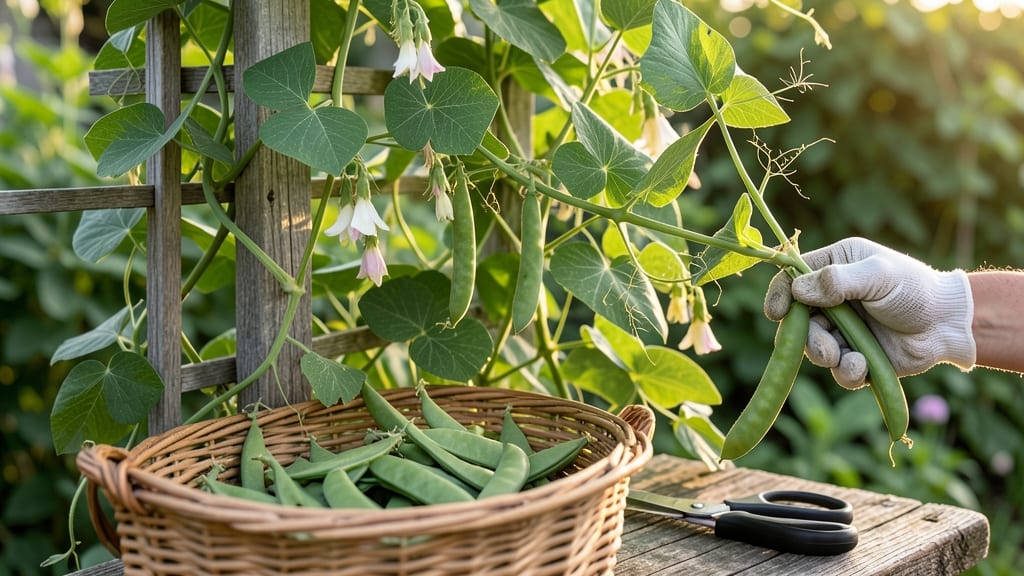
Harvest pea pods when they’re 2-3 inches long and bright green, before the seeds swell too large—this is the sweet spot between tender and tough.
Pea pods can turn from sweet, tender delights into tough, fibrous disappointments in just days—so timing your harvest is everything for garden-fresh flavor.
Look for pods that snap easily when bent and have visible but still small seeds inside. Once they start yellowing or the seeds grow too big, the texture turns mealy and the flavor fades fast.
In this guide, I’ll break down the 3 key visual cues to pick them at peak sweetness, plus how to handle them afterward to keep your harvest fresh and delicious.

3 Visual cues to harvest pea pods at peak sweetness
Timing your pea harvest is like catching a wave—wait too long, and you miss the sweetest moment. The difference between a tender, sugar-packed pea pod and a woody, stringy one comes down to three key visual cues.
Master these, and you’ll enjoy garden-fresh flavor that store-bought pods can’t compete with. I’ve learned the hard way that even a day too late can turn your harvest into a disappointment.
Pea pods mature quickly, often in just 24-48 hours, so knowing exactly when to pick is crucial. The good news? You don’t need fancy tools—just your eyes and fingers.
These three simple visual checks will ensure you harvest at the perfect moment, when pods are plump, bright, and packed with flavor. Let’s dive into the cues that separate a great harvest from a mediocre one.
🌱 numbered-highlights
-
📏 Pod Size (2-3 inches)
Pea pods should be plump and swollen, typically 2-3 inches long. If they’re shorter, they’re not ready; if they’re longer, they’ve passed their prime. -
🌿 Color (Bright Green)
Look for a vibrant green hue—never pale or yellowing. Dull colors signal overripe pods with starchy instead of sweet flavors. -
🤏 Texture (Firm but Flexible)
Gently squeeze a pod—it should feel firm yet slightly yielding. If it’s rock-hard, it’s overripe; if it’s mushy, it’s past its peak.
Let’s start with the first cue: pod size. When pea pods reach about 2-3 inches long, they’re typically ready for harvest. This is the sweet spot where the pods are plump and the seeds inside are still tender.
If you wait until they’re longer, the pods become tough and fibrous, and the peas inside start to dry out. I once left my pods on the vine for a week, and they turned into leathery shells—hardly worth the effort!
Next, pay attention to the color of the pods. The ideal pea pod should be a bright, vibrant green. If the pods start to look pale or yellowish, it’s a clear sign they’ve overripe and lost their sweetness.
This color change happens quickly, so keep an eye on your plants, especially if you’re growing a high-yielding variety like Sugar Snap or Snow Peas.
The third and most tactile cue is the texture of the pod. A perfectly ripe pea pod should feel firm but still slightly flexible when you gently squeeze it. If it’s rock-hard, it’s overripe, and if it feels mushy, it’s past its prime.
This is where your sense of touch comes into play—don’t rely solely on sight. I always do a quick texture check before harvesting to ensure I’m getting the best flavor possible.
One of my favorite tricks is to harvest in the morning when the pods are cool and crisp. This is when they’re at their peak flavor and texture. Plus, harvesting early means you can enjoy your peas fresh throughout the day.
If you’re growing sugar snap peas or snow peas, this cue is especially important because their sweetness fades faster than traditional garden peas.
Don’t forget to check the seeds inside the pod. At the perfect harvest time, the seeds should be visible but still small. If the seeds are large and filling the pod, it’s time to harvest before they take over.
Overripe pods with large seeds will have a starchy taste, which is a far cry from the sweet, tender flavor you’re after.
If you’re growing multiple pea varieties, like shelling peas and snap peas, pay attention to their specific cues. Shelling peas, for example, are ready when the pod is plump and the peas inside are round and firm.
Snap peas, on the other hand, should be harvested when the pod is crisp and sweet, with the peas still tender inside. Mixing up the varieties can be fun, but it’s essential to know the unique cues for each.
Finally, remember that consistent harvesting encourages your pea plants to produce more pods. If you let the pods mature fully and dry out on the vine, the plant will stop producing.
By picking regularly and focusing on these three visual cues, you’ll enjoy a continuous harvest of sweet, tender peas all season long.
Now that you know the visual cues, it’s time to put them into practice. Grab your garden shears or a sharp knife, and head out to your pea patch. With these tips, you’ll be harvesting peas at their peak sweetness in no time—no more tough, fibrous pods for you! 🌱
How to harvest pea pods without damaging the plant
Harvesting pea pods at the right time ensures sweet, tender vegetables while keeping your plants productive. The key is to pick pods gently and consistently—avoiding rough handling that can damage vines or stress the plant.
I’ve learned that timing and technique directly impact both flavor and future yields, so let’s break it down step by step.
Using the right tools and methods makes all the difference. A sharp pair of scissors or your fingers (for delicate pods) helps prevent tearing the vines. I’ve found that harvesting in the morning after dew dries reduces moisture-related stress on the plant.
Regular harvesting also encourages more continuous production—so don’t wait until pods are overripe!
Step-by-Step Pea Pod Harvesting Guide
- 1 Check pod maturity: Look for pods that are 2-3 inches long, bright green, and slightly swollen. The seeds inside should be visible but still small.
- 2 Use the right tool: Hold pods near the stem with your thumb and forefinger or use clean scissors to snip just above the pod. Avoid pulling or twisting, which can damage the vine.
- 3 Harvest frequently: Pick pods every 2-3 days to encourage more production. Overripe pods (dry or woody) signal it’s time to let the plant rest or harvest seeds instead.
- 4 Store pods properly: Keep harvested peas in the fridge for 3-5 days or blanch and freeze them for long-term storage. This preserves their freshness and flavor.
One of my biggest mistakes was waiting too long to harvest, thinking the pods would get sweeter. Instead, they became tough and fibrous, ruining the flavor. Now, I check the pods daily during peak season to ensure I never miss the perfect harvest window.
This consistency keeps my plants happy and productive all season long.
If you’re growing sugar snap peas or snow peas, the same rules apply—but adjust slightly for texture preferences. For example, snow peas are best when flat and slightly crisp, while snap peas should be plump and snappy. Always tailor your approach to the specific variety you’re growing!
Remember, the goal is to balance harvest frequency with plant health. Over-harvesting can stress the plant, while under-harvesting leads to bitter, overgrown pods. With practice, you’ll develop an eye for the ideal harvest moment—and your pea plants will thank you with a bountiful yield.