
How To
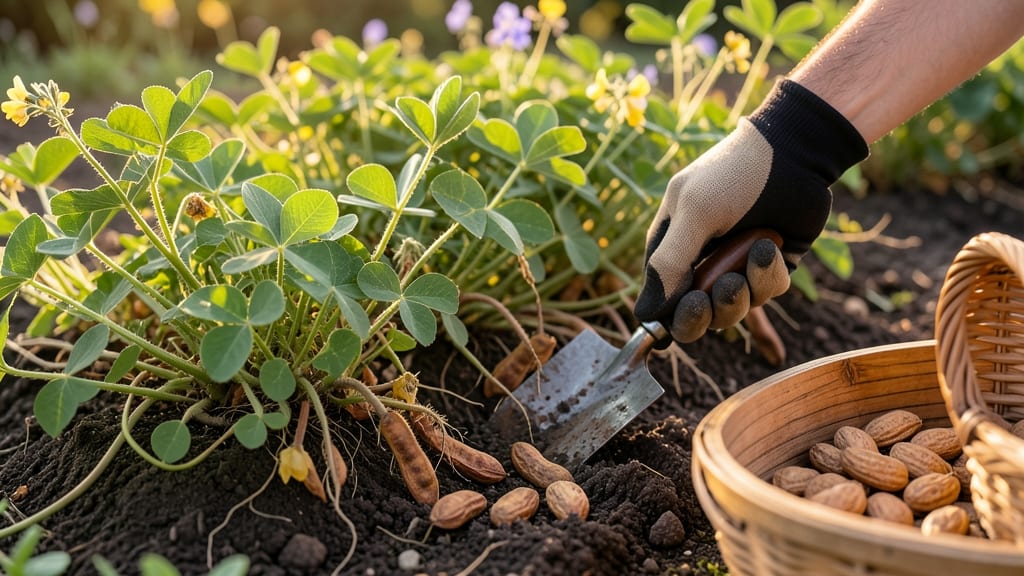
Harvesting peanuts at the right time means plump, flavorful nuts—not tough or shriveled shells—so timing is everything.
Peanuts won’t ripen on the vine like tomatoes; they hide underground, and harvesting too early or late means bland, tough, or shriveled nuts. Master these 3 foolproof field tests to pick peanuts at their sweetest peak every time.
Most varieties need 120–150 days from planting, but climate and soil play a big role. In warmer regions, you might harvest as early as September, while cooler zones like USDA Zone 6a could stretch into October.
Below, I’ll walk you through the exact visual cues—leaf color, pod firmness, and the "dig test"—plus how to handle post-harvest care for perfect storage.

3 Field tests to harvest peanuts at perfect ripeness
Harvesting peanuts at the right time transforms your garden into a treasure trove of flavorful nuts, but timing is everything. Unlike aboveground crops, peanuts develop underground, making it tricky to judge ripeness just by looking at the plant.
The key lies in three simple yet highly accurate field tests that reveal when your peanuts are ready to pull. These methods eliminate guesswork and ensure you harvest at the peak of sweetness and texture, avoiding the pitfalls of underdeveloped or shriveled nuts.
First, understand why timing matters: peanuts need 120–150 days from planting to reach maturity, but environmental factors like soil temperature and rainfall can shift this window. Too early, and you’ll pull small, pale, and bland nuts; too late, and they’ll be tough and shriveled.
The good news? These three tests—leaf yellowing, pod color change, and the dig test—work together to give you a crystal-clear signal. Let’s dive into each one so you can confidently harvest your crop at its finest.
Watch for foliage turning yellow and wilting—this signals the plant is redirecting energy to underground pods. 50–70% yellow leaves mean it’s time to act.
Dig up a few pegs (stems) and check for reddish-brown pods. Immature pods are pale or green; ripe ones have a firm, papery shell.
Gently dig near the plant base to expose pods. If 70% are plump and firm (not shriveled), your peanuts are ready. Use a fork to avoid damaging roots.
Let’s start with the leaf yellowing test, the first visual cue that your peanuts are nearing harvest. As the growing season progresses, your peanut plants will shift their energy from leaf production to pod development underground.
This transition is marked by a noticeable yellowing of the foliage, starting at the edges and moving inward. Aim to harvest when 50–70% of the leaves have turned yellow—this indicates the plant is maturing and directing resources to the pods.
Pay close attention to the rate of yellowing. If leaves yellow too quickly (within a week), your plants may be stressed by drought or disease. In this case, prioritize the dig test to confirm ripeness, as environmental stress can accelerate leaf senescence.
Conversely, if leaves stay green well past the typical 120–150 day window, your peanuts might need more time to mature. Adjust your harvest timeline based on these observations to avoid premature or overripe pods.
The pod color change is your second critical clue, and it’s where things get exciting. Unlike the aboveground foliage, the pods themselves offer a direct window into their ripeness. Start by selecting 2–3 healthy pegs (the stems that grow underground) from different parts of the plant.
Gently dig them up using a small trowel or your fingers, being careful not to damage the roots. Look for pods that have turned from green or pale yellow to reddish-brown—this color shift is your green light for harvest.
Here’s how to tell if the pods are ready: ripe peanuts will have a firm, papery shell that resists gentle pressure when squeezed between your fingers. If the shell feels thin or crumbles easily, the nuts inside are likely underdeveloped.
On the other hand, if the pods are dark brown and shriveled, you’ve waited too long, and the nuts will be tough and bland. This test is especially useful in hot climates, where pods can ripen faster due to higher soil temperatures.
Now, let’s talk about the dig test, the most definitive way to confirm peanut ripeness. Once you’ve spotted yellowing leaves and reddish-brown pods, it’s time to put your hands in the dirt.
Using a garden fork or your fingers, carefully dig around the base of the plant to expose the pegs and pods. Focus on areas where the pegs have turned brown and brittle—these are the most likely to contain ripe peanuts.
Aim to uncover at least 2–3 pegs per plant for an accurate assessment.
When you pull up the pegs, examine the pods closely. Ripe peanuts will be plump, firm, and fully developed, with a smooth, reddish-brown shell. If the pods are small, pale, or still attached to the plant with green stems, they need more time.
Conversely, if the pods are shriveled or hollow-sounding when tapped, your harvest has come too late. This test is non-destructive if done carefully—simply replant the pegs if the nuts aren’t ready, and check again in 5–7 days.
Timing your harvest correctly isn’t just about flavor—it’s also about maximizing your yield. Peanuts left too long in the ground can attract pests like peanut worms or fungal infections, which can ruin your crop.
On the flip side, harvesting too early means you’ll miss out on the full development of the nuts, leaving you with small, underdeveloped peanuts that lack the rich, buttery flavor you’re after. By combining these three tests, you’ll minimize waste and ensure a bountiful harvest every time.
For gardeners in shorter growing seasons, like those in cooler climates, these tests take on even greater importance. If frost is on the horizon, prioritize the dig test to confirm ripeness, as cold temperatures can stunt pod development.
In these regions, consider planting earlier-maturing varieties (like Early Spanish or Virginia types) to align with your local frost dates. Always have a backup plan—like a row cover—to extend the growing season if needed.
Once you’ve confirmed your peanuts are ready, it’s time to harvest with care. Use a garden fork to gently loosen the soil around the plants, then grasp the base of the stems and pull upward.
Shake off excess dirt, and let the plants dry in a shady, well-ventilated area for 3–5 days before processing. Avoid washing the peanuts until after drying, as moisture can promote mold
Peanut harvesting mistakes that ruin your crop (and how to avoid them)
Harvesting peanuts at the wrong time can turn your hard work into bitter, shriveled disappointment. The most common mistake? Waiting too long until the pods dry out underground, or digging too soon when nuts are still underdeveloped.
Even improper drying techniques after harvest can ruin flavor and texture. Let's fix these critical errors before they happen.
I’ve seen gardeners lose entire crops because they ignored the foliage yellowing signal or skipped the dig test. Peanuts mature underground, so you can’t judge ripeness by color like tomatoes.
The key is combining visual cues with hands-on checks. Start by watching for brown pegs (the stems that grow underground) and yellowing leaves—these are your first warnings.
⚠️ callout warning ⚠️
Mistake 1: Ignoring foliage yellowing—waiting until leaves are crispy means nuts are overripe and shriveled.
Mistake 2: Harvesting when pods are small or pale—underdeveloped nuts won’t store well and lack flavor.
Mistake 3: Skipping the dig test—peanuts mature underground; you can’t judge by appearance alone.
Fix: Combine leaf color, peg browning, and a sample dig 120–150 days after planting.
One of the biggest mistakes is harvesting by calendar instead of plant signals. Peanuts planted in April–May (USDA Zone 6a) typically mature in September–October, but heat waves or drought can delay ripening.
Always confirm readiness with a sample dig: gently pull up a few plants and check for plump, reddish-brown pods with firm shells. If nuts are still white or shriveled, wait 1–2 weeks.
After harvest, improper drying is another silent crop killer. Peanuts need 7–10 days of curing in a well-ventilated, dry space (70–80°F, 40–50% humidity). Skipping this step leads to moldy or soft nuts.
Spread pods in single layers on screens or trays, and flip them daily for even drying. Avoid direct sunlight, which can bleach the skins and reduce shelf life.
Regional differences also play a role. In short-season climates (like Zone 5), peanuts may mature faster—100–120 days—while longer growing seasons (Zone 8+) can extend ripening to 160 days. Adjust your harvest window based on your last frost date and soil temperatures.
If frost threatens before pods are ready, cover plants with row fabric to protect them for a few extra weeks.
Finally, overcrowding at harvest leads to uneven drying and pest infestations. Space pods 1–2 inches apart during curing, and store only fully dried nuts in airtight containers away from light. With these fixes, you’ll go from frustrating losses to a bountiful, flavorful harvest every season.