
Picking
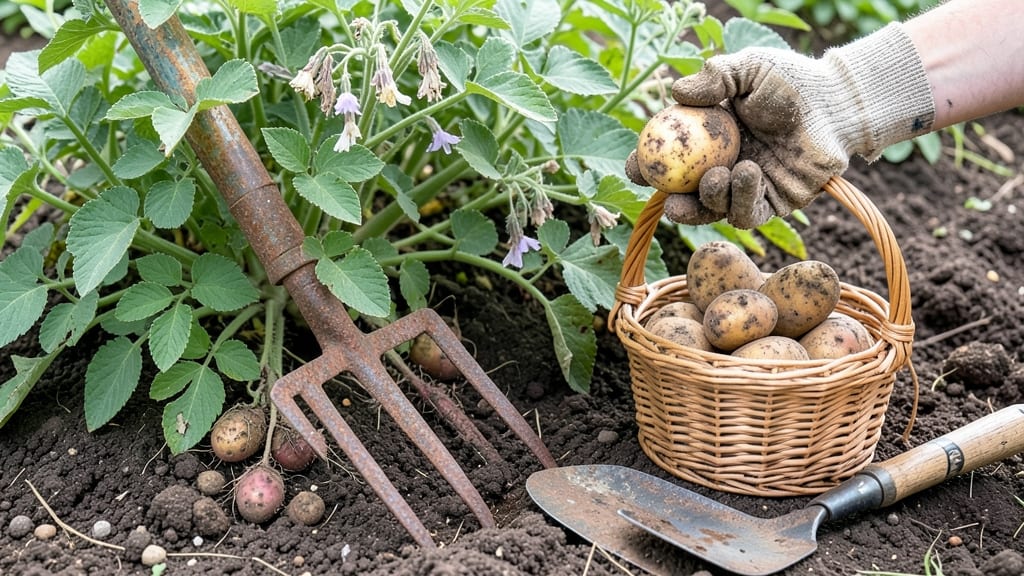
Harvesting potatoes from your garden at the right time ensures tender, flavorful spuds 🥔—not tough, woody ones that ruin every dish.
Picture this: you’ve spent weeks nurturing your crop, only to dig up potatoes that are either too small or shriveled from sitting too long in the ground. The difference between a perfect harvest and a disappointing one often comes down to timing—and knowing the signs your potatoes are ready.
Most gardeners rely on a mix of size, soil conditions, and plant signals to decide when to pull them from the earth. For example, baby potatoes can be harvested as soon as they’re 1–2 inches in diameter, while storage varieties need to mature fully before frost hits.
Below, I’ll break down the three key checks to confirm they’re ready, plus how to adjust for your climate zone.
You’ll learn how to test soil moisture, spot the right foliage color, and even use the classic "finger-size" trick to avoid common mistakes—like harvesting too early or leaving them in the ground past their prime.

The finger-size rule: how potato size determines harvest time
Harvesting potatoes at the right time ensures you get the best flavor and texture. The finger-size rule is a classic method gardeners use to determine when potatoes are ready to dig. This simple technique relies on comparing your tubers to your fingers for a quick assessment.
Potatoes grow best when harvested at different stages of maturity. Early varieties like Red Pontiac or Yukon Gold reach harvest size faster, often in 70–90 days, while late varieties like Russet or Kennebec take 90–120 days. Understanding these differences helps you plan your harvest timing.
Here’s how the finger-size rule works: Small potatoes (thumbsize) are perfect for new potatoes—harvest these when they’re 1–2 inches in diameter. Medium potatoes (fingertip to first knuckle) are ideal for immediate use, while large potatoes (full finger length) are best for long-term storage.
Maturity affects both flavor and storage potential. Under-mature potatoes (too small) tend to be watery and bland, while over-mature potatoes (too large) can become woody and tough. The sweet spot is when tubers are fully developed but still firm.
The finger-size rule isn’t just about size—it’s also about skin texture. When potatoes reach harvest size, their skins should be rough and papery, not smooth or green. This indicates they’ve developed enough to resist bruising during handling.
| Potato Size | Finger Reference | Best For | Harvest Time |
|---|---|---|---|
| Small (New Potatoes) | Thumb-sized (1–2 inches) | Immediate cooking | 70–90 days |
| Medium | Fingertip to first knuckle (2–3 inches) | Fresh eating or short-term storage | 90–100 days |
| Large (Storage Potatoes) | Full finger length (3+ inches) | Long-term storage | 100–120 days |
Early varieties like Red Norland or Kennebec are perfect for new potato harvests because they mature quickly. These potatoes are best enjoyed fresh, as they don’t store well. For long-term storage, opt for late varieties like Russet or Idaho, which develop thicker skins and better storage qualities.
To check for readiness, gently brush away soil from the top of the plant to expose tubers. If they’re the size you’re targeting, it’s time to harvest.
Avoid digging too early—small potatoes will continue to grow if left in the ground, but they may never reach ideal flavor or storage potential.
Flavor peaks when potatoes are fully mature but still firm. Over-mature potatoes lose their sweetness and become starchy. For the best results, harvest storage potatoes when the foliage yellows and dies back, usually 2–4 weeks after flowering for most varieties.
Remember, the finger-size rule is a guideline, not a strict rule. Adjust based on your climate and variety. In cooler regions, potatoes may mature slower, while in warmer climates, they might reach harvest size faster. Always prioritize firmness and skin texture over size alone.
Once harvested, cure potatoes in a dark, dry place for 1–2 weeks to toughen their skins and improve storage life. This step is especially important for large storage potatoes, which can last 4–6 months under ideal conditions.
3 Soil checks to confirm perfect potato harvest timing
Harvesting potatoes at the right time ensures tender, flavorful tubers instead of tough, woody ones. While the finger-size rule is helpful, checking the soil and plant signals gives you precise timing. These three soil checks reveal when your potatoes are ready to dig—without waiting too long or harvesting too soon.
First, focus on the foliage and flowers. Most potato varieties produce blooms, and their appearance signals tuber development. For new potatoes, you might harvest slightly earlier, but for storage varieties, wait until the plant fully matures.
These checks help you avoid common mistakes like harvesting too late, which leads to skin toughening and reduced storage life.
Most varieties bloom 4–6 weeks after planting. For new potatoes, harvest when half the flowers open. For storage varieties, wait until all flowers fade and foliage yellows.
When 50–75% of leaves turn yellow and die back, tubers are nearing maturity. Avoid harvesting if leaves are brown and crispy from drought—this can mean shriveled tubers.
Gently loosen soil around one plant. If tubers are 2+ inches wide and firm with rough skin, they’re ready. If soil is dry or cracked, water deeply 24 hours before digging to prevent bruising.
False signals can trick even experienced gardeners. For example, drought stress might cause premature yellowing, while disease like late blight can mimic maturity. Always dig a test tuber to confirm size and condition before committing to a full harvest.
This step saves time and ensures you don’t miss the perfect window.
Regional climate plays a role too. In cooler zones (USDA 3–5), potatoes mature faster—aim for harvest by late summer. In warmer zones (USDA 7–10), extend the season by harvesting in early fall.
Adjust your checks based on your local frost dates to avoid losing your crop to cold snaps.
Once you’ve confirmed readiness, harvest on a dry, sunny day to let soil dry slightly, making tubers easier to clean. Cure potatoes for 1–2 weeks in a dark, 55–60°F space to thicken skins and improve storage life. This simple post-harvest step keeps your spuds fresh for months.
Timing is everything, and these soil checks give you confidence in your harvest. Whether you’re growing Yukon Golds for immediate eating or Russets for storage, mastering these cues ensures you’ll always dig up perfect potatoes—just in time for your next meal.