
How To
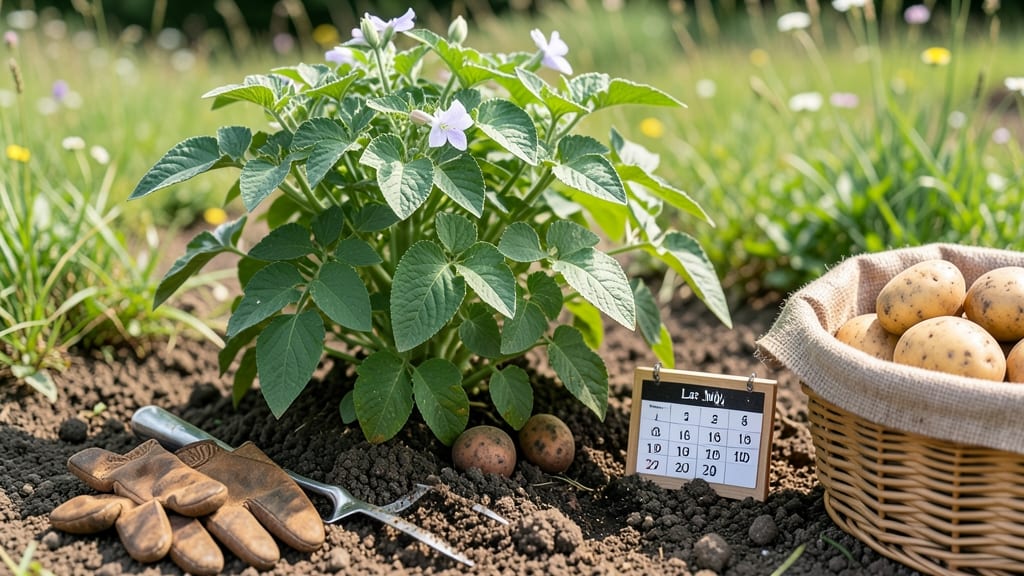
Harvesting potatoes in Michigan at the right time ensures perfect flavor and storage potential—soil temperature and plant signals are your best guides, not just the calendar.
Picture this: you’ve spent weeks tending your 🥔 patch, and now the question looms—dig too soon, and your spuds are underdeveloped; wait too long, and they turn to mush. Michigan’s 5b-6b climate adds another layer, where early varieties need attention by late June, while late-season types can stretch into October.
Below, I’ll break down the exact soil temperature triggers (50°F-60°F), the visual cues you’ve been missing (yellowing foliage, flowering), and how to adjust for your specific region—whether you’re in the Upper Peninsula or southern Michigan.
You’ll leave here knowing when to harvest for maximum yield, how to handle early frost, and the one trick that keeps your potatoes fresh for months. Let’s get started.

Soil temperature triggers for harvesting potatoes in Michigan
Michigan’s cool climate and variable frost dates make soil temperature the most reliable indicator for harvesting potatoes. Unlike calendar-based methods, soil thermometers help you pinpoint the optimal digging window—whether you’re growing early varieties in May or late-season spuds in September.
The magic happens when soil temperatures consistently drop to 50°F–60°F, signaling tubers have reached peak starch content and flavor.
But here’s the catch: Michigan’s Upper Peninsula and Lower Peninsula have different frost risks. In the UP, cooler soils may trigger harvest 2–3 weeks earlier than in southern Michigan.
Always cross-check soil temps with plant signals, like yellowing foliage or browning stems, to avoid digging too soon or too late. A soil thermometer ($10–$15 at garden centers) is your best friend—bury it 4 inches deep (where tubers form) and check readings at morning and evening.
For new potatoes, you can harvest anytime the soil is warm (60°F+) and tubers are peeking above the soil line. These baby spuds form early and are perfect for quick cooking.
But for full-sized potatoes, wait until the soil cools to 50°F–60°F—this ensures maximum starch conversion, which means creamier textures and sweeter flavors. In Michigan’s Upper Peninsula, this often aligns with late June for early varieties, while southern Michigan gardeners might delay until mid-July.
Watch for foliage signals too: When 50% of leaves yellow and stems brown, it’s time to dig. This “die-back” phase indicates the plant is redirecting energy to the tubers.
Pro tip: If your potato plants flower heavily but soil temps are still warm, wait 2–3 weeks—flowers don’t always mean harvest-ready spuds. In cool, wet years (like Michigan’s 2020), soil temps may lag behind calendar dates, so always prioritize the thermometer over guesswork.
Michigan’s frost risk adds another layer. If a hard frost (below 28°F) is forecast before harvest, dig immediately—even if soil temps aren’t ideal. Frost-damaged tubers won’t spoil instantly, but green skin (from exposure) can make them toxic.
To avoid this, hill soil around plants in late summer to insulate tubers. For late-season varieties, aim to harvest before mid-October when frost-free days dwindle.
One common mistake? Waiting until all foliage is dead. By then, tubers may have sprouted or shriveled from lack of moisture. Instead, dig when 50–70% of leaves are brown—this gives you a 2-week window to harvest before soil temps drop too low.
Use a fork or spading fork to gently loosen soil around the plant base, then lift
Michigan-specific harvest timelines by potato variety
Harvesting potatoes in Michigan isn't one-size-fits-all—it depends on variety, planting date, and whether you're in the Upper or Lower Peninsula. Early varieties like Red Pontiac can be ready by late June, while late varieties like Yukon Gold may need to wait until October.
The first frost date (mid-October in most areas) also dictates your harvest window, especially for late-season varieties.
Soil temperature plays a critical role too. Potatoes thrive when soil reaches 50°F-60°F, signaling the perfect time to dig. In cold northern regions (Upper Peninsula), aim to harvest before September 15 to avoid frost damage.
Meanwhile, southern Michigan gardeners have a longer window, often until early October. Always prioritize foliage signals—yellowing leaves or dying back plants—over strict calendar dates.
Here’s a breakdown of harvest timelines for Michigan’s most popular varieties, adjusted for regional differences:
| Variety | Days to Maturity | Upper Peninsula Harvest Window | Lower Peninsula Harvest Window | Key Harvest Cues |
|---|---|---|---|---|
| Red Pontiac | 60-70 days | Late June - Early July | Late June - Mid-July | Flowers fade, tops die back |
| Yukon Gold | 90-110 days | Late August - Early September | Late August - Mid-October | Foliage yellows, skin toughens |
| Fingerlings (e.g., 'Adirondack Blue') | 80-100 days | Early August - Late August | Early August - Early September | Tops brown, tubers visible |
| Russet (Late Variety) | 110-130 days | N/A (risky in UP) | Mid-September - Early October | Foliage fully dead, skin rough |
For new potatoes, harvest early when tubers are small and tender (about 2-3 weeks after flowering). Use a fork to gently loosen soil and avoid damaging the tubers. Storage potatoes (like Yukon Gold) should be fully mature—wait until the plant has completely died back.
In wet soil conditions, allow the soil to dry slightly before digging to prevent muddy potatoes.
Regional adjustments matter: Upper Peninsula gardeners should prioritize early-maturing varieties to avoid frost, while Lower Peninsula growers can extend harvests into October. Always check soil moisture before digging—dry soil makes for easier harvesting and cleaner spuds. Store your harvest in a cool, dark place (45°F-50°F) for long-term freshness.
Pro tip: Mark your planting dates and track days to maturity to stay ahead of Michigan’s unpredictable weather. A soil thermometer is your best friend for nailing the perfect harvest window—don’t guess, measure! 🥔