
How To
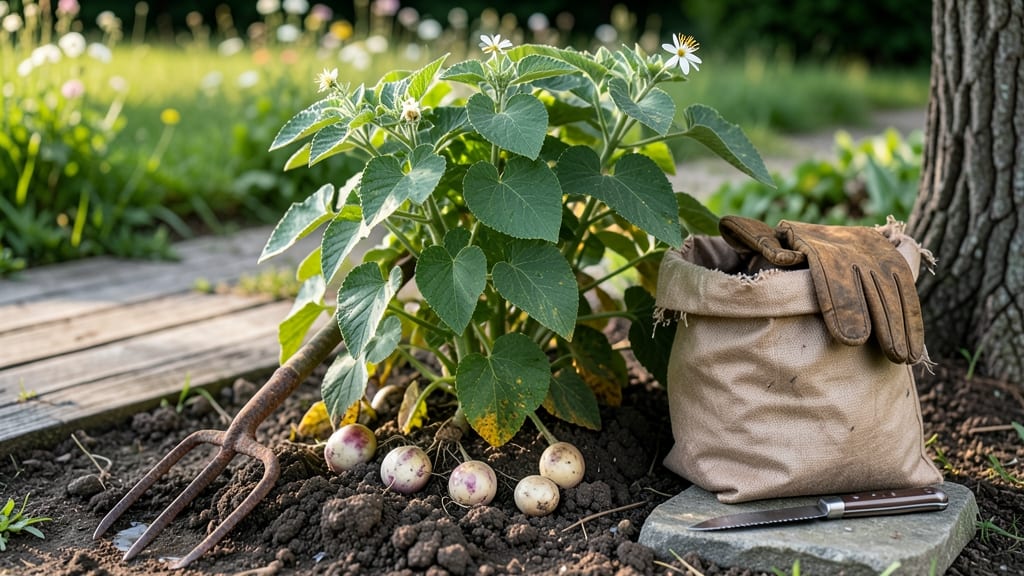
Harvest potatoes in Texas when the foliage yellows and dies back—usually April-May for spring plantings and November-December for fall—but the real secret is the soil heaving test.
Picture this: you’re digging in your North Texas garden in Zone 8a, and the vines are wilting, but you’re not sure if the tubers are ready. One wrong move, and you’ll either pull mealy potatoes or leave perfectly good ones in the ground too long.
That’s why I developed a foolproof method to check tuber maturity without guessing.
Texas’s heat and short growing seasons mean timing is everything—miss it, and you’ll waste months of hard work. Whether you’re growing Red Pontiacs in the Panhandle or Yukon Golds in South Texas’s Zone 10b, the soil heaving test works for every variety.
Below, I’ll show you exactly how to use it, plus the best harvest windows for your region.
By the end, you’ll know the perfect moment to pull your potatoes—no more shriveled tubers or missed harvests. Let’s get started.

How to use the soil heaving test for Texas potato harvest timing
Texas’s short growing seasons and variable climates make timing your potato harvest tricky. The soil heaving test is my go-to method to determine when tubers are ready—without digging up your entire patch too soon.
This technique works especially well for North Texas gardeners (Zones 8a-8b) with cooler springs and South Texas growers (Zones 9a-10b) who face heat stress. Start testing when plants flower, but adjust based on your region’s last frost dates.
For North Texas, begin soil heaving tests around late April to early May, about 90-120 days after planting. In South Texas, where frost is rare, time tests to October-November for fall plantings.
The key is catching tubers when they’re firm but not oversized, ensuring both flavor and storage potential. If you miss the window, tubers can become mealy or split—a common mistake in Texas’s heat.
Why this test works: Potatoes form tubers along the stem nodes underground. When the plant senses reduced sunlight (like leaf yellowing) or dry soil, it signals tubers to stop growing and thicken their skins. The heaving test lets you check this process without damaging plants until harvest day.
- 1 Wait for flowering: Start testing when 20-30% of plants show white or purple flowers. In Texas, this typically happens 60-70 days after planting for early varieties.
- 2 Choose a dry day: Test on a sunny, dry morning when soil is not waterlogged. Wet soil can give false readings, especially in Texas’s humid summers.
- 3 Gently lift the soil: Use your hands or a hand trowel to carefully lift a 6-inch section of soil near the plant’s base. Look for small tubers (size of a walnut) attached to the stem.
- 4 Check tuber size and firmness: If tubers are 1-2 inches wide and firm to the touch, they’re ready. If they’re smaller than a golf ball, wait 1-2 weeks and retest.
- 5 Monitor leaf yellowing: When 50% of foliage turns yellow (a sign of senescence), your potatoes are likely 90% ready. This happens 2-3 weeks after tubers reach ideal size in Texas’s climate.
- 6 Harvest before vines die: Dig up potatoes 3-5 days after leaf yellowing to avoid skin toughening, which makes peeling harder. In North Texas, this is usually late May; in South Texas, aim for early November.
Texas’s heat and drought can speed up tuber maturation, so don’t wait until leaves are completely dead. In Zone 9a-10b, for example, potatoes may mature 2-3 weeks earlier than in Zone 8a due to longer daylight hours.
Always water deeply 24 hours before harvesting to loosen soil and prevent tuber damage.
Pro tip: Mark test spots with flags or stakes so you don’t accidentally dig up the same area repeatedly. I use bright orange plant tags for visibility in my garden beds. This helps track tuber development progress across multiple plants without causing stress to the entire patch.
If your soil is sandy or rocky (common in West Texas), tubers may form shallower and smaller. In these cases, hill soil around plants every 2-3 weeks to encourage deeper tuber growth. For clay-heavy soils (East Texas), amend with compost or sand before planting to improve drainage.
One critical sign to watch is the green stem end on tubers. If it’s still green when harvested, it contains solanine (a toxin). Always cut off green ends before storing or cooking. This is especially important in South Texas, where longer daylight can cause more green growth.
After your first successful harvest, save the best tubers for next season—but only if they’re disease-free and certified seed potatoes. Texas’s humid summers make potatoes prone to blight and scab, so rotate crops annually to prevent soil-borne diseases. Plant potatoes after tomatoes or peppers for best results.
Mastering the soil heaving test takes practice, but once you nail the timing
Best harvest windows for Texas potatoes by variety and climate Zone
Texas’s diverse climate zones (8a–10b) create unique harvest windows for potatoes. Early varieties like Red Pontiac thrive in cooler North Texas, while Russet Burbank needs South Texas’s extended growing season. Heat stress and drought can delay maturity, so adjust your timeline based on your zone.
Use this harvest timeline guide to align with your potato variety and local conditions. North Texas gardeners should prioritize spring harvests (April–May), while South Texas can extend into fall harvests (November–December) thanks to milder winters.
🌱 Key Factors: - Variety maturity (60–120 days) - Zone-specific frost dates - Heat stress warnings (Zones 9b–10b) - Soil moisture (avoid drought stress)
| Variety | Days to Maturity | North Texas Zones (8a-8b) | South Texas Zones (9a-10b) | Harvest Window |
|---|---|---|---|---|
| Red Pontiac | 60-75 days | Early April | Late September | April 15–May 10 |
| Yukon Gold | 90-100 days | Mid-May | Early October | May 1–June 10 |
| Russet Burbank | 110-120 days | Late May | Mid-October | June 15–July 15 |
| Kennebec | 85-95 days | Late April | Late September | April 20–May 20 |
⚠️ Note: Adjust for drought by harvesting 2-3 weeks early in Zones 9b–10b.
In North Texas (Zones 8a-8b), prioritize spring planting (February–March) for harvests before summer heat sets in. Early varieties like Red Pontiac (60–75 days) are ideal—harvest before June’s heat stress reduces yield.
South Texas gardeners (Zones 9a–10b) can extend harvests into fall thanks to milder winters. Russet Burbank (110–120 days) thrives here but may need shade cloth in peak summer (July–August) to prevent tuber scorch.
Always confirm readiness with the soil heaving test: gently lift plants to check for 2-inch tubers with thick skin. Avoid harvest if soil is dry—mealy potatoes result from stress.