
How To
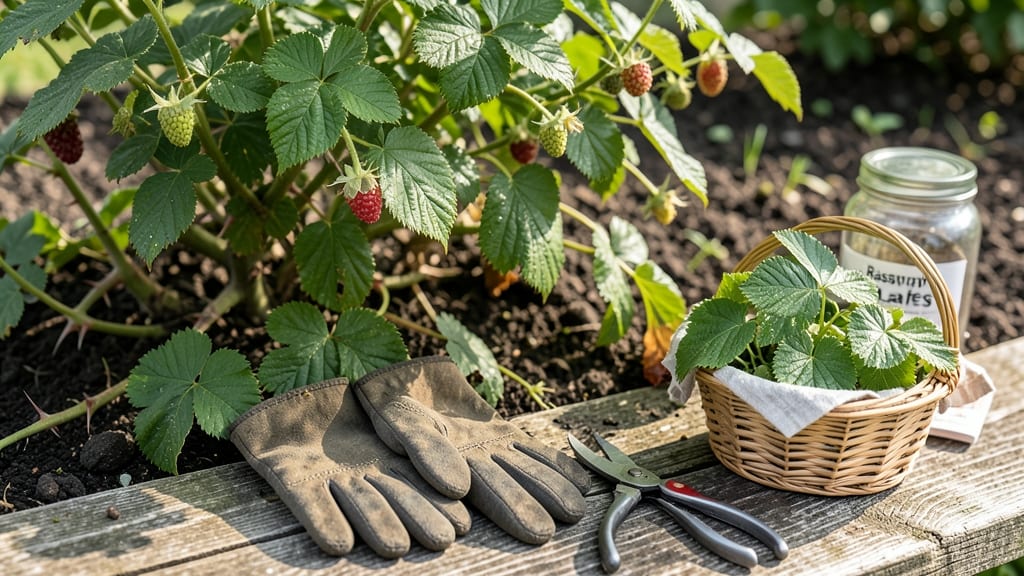
Harvesting raspberry leaves at the right time turns them into a nutrient-packed ingredient for tea, salads, or cooking—before they become tough and bitter.
Picture this: you’ve spent months nurturing your 🍇 raspberry bushes, and now the leaves are the star of your kitchen. But wait too long, and those tender greens turn fibrous and lose their delicate flavor.
The key is catching them in that sweet spot—when they’re young, vibrant, and bursting with antioxidants.
Most gardeners miss the window because they focus on the fruit instead of the leaves. Yet, the best harvest time for raspberry leaves is actually late spring to early summer, before flowering begins. That’s when the leaves are at their peak—soft, bright green, and packed with flavor.
In this guide, I’ll show you three visual cues to spot the perfect moment, plus how to handle and store your harvest for the best results—whether you’re drying them for tea or using them fresh in recipes.

3 Visual cues to identify peak raspberry leaf harvest time
Harvesting raspberry leaves at the right time maximizes their nutrient content and flavor profile. If you pick them too early, they’ll be underdeveloped; too late, and they’ll taste bitter or tough.
The key is spotting these three visual cues that signal peak harvest readiness. I’ve learned from experience that timing is everything—especially when you’re growing raspberries for tea or culinary use.
First, focus on leaf size. Immature leaves are small and tightly curled, while mature leaves are fully unfurled and 3-5 inches wide. The ideal harvest window is when leaves are fully expanded but still tender—this usually happens in late spring, just as new canes begin growing.
Waiting too long turns those tender leaves into leathery, bitter ones that ruin any dish or brew.
Next, observe leaf color. The richest, most flavorful leaves are a vibrant, deep green. Pale or yellowing leaves mean the plant is stressed or nutrient-deficient, while dark green leaves indicate maturity.
I always check for this bright green hue before harvesting—it’s my go-to sign that the leaves are ready for the kitchen or drying rack.
Finally, examine the growth stage of the canes. Harvest leaves when new canes are 6-12 inches tall but before flowering begins. Flowering signals the plant is shifting energy toward fruit production, which reduces leaf quality.
This stage typically aligns with early May in most temperate climates, but always confirm by checking for no visible buds on the canes.
Pro tip: Harvest on a dry, sunny morning when leaves are at their driest. This reduces moisture content, making them easier to dry or store. I always use clean, sharp scissors to snip leaves just above a leaf node—this encourages new growth and keeps your plant healthy.
Avoid harvesting after rain or in the evening, as excess moisture can lead to mold or spoilage.
One mistake I made early on was harvesting leaves after flowering. The flavor becomes bitter, and the leaves lose their delicate texture. Always prioritize early spring harvests for the best results.
If you’re growing raspberries in a warmer climate, you might get a second harvest in early fall, but the leaves won’t be as tender or flavorful as the spring batch.
For maximum nutrient retention, use harvested leaves within 24 hours or dry them immediately. I like to spread leaves on a screen in a dry, shaded area for 3-5 days, then store them in airtight containers.
Dried raspberry leaves keep for up to 6 months and make a fantastic herbal tea—just steep 1-2 teaspoons in hot water for 5-10 minutes.
Remember, the sooner you harvest after spotting these visual cues, the better. Raspberry leaves are a seasonal treasure, and their quality drops quickly once they mature past the ideal stage.
Keep an eye on your plants, and you’ll always know exactly when to harvest for the best flavor and nutrients.
Best harvesting methods to preserve raspberry leaf quality
Once you've identified the perfect raspberry leaves for harvest, the next step is using the right techniques to preserve their nutrient density and flavor profile. I've found that gentle handling and proper timing make all the difference between vibrant leaves and wilted disappointment.
The best time to harvest is early morning when leaves are hydrated and packed with essential oils.
Using the right tools is equally important. I always reach for a pair of sharp pruning shears or clean scissors to avoid damaging the plant. Never pull leaves by hand—this can tear stems and stress the plant.
Always cut just above a leaf node to encourage healthy regrowth. For large harvests, a small basket with holes for airflow works best to prevent crushing.
Here's my step-by-step process that keeps raspberry leaves at their peak quality:
After harvesting, I always sort through my leaves to remove any damaged or yellowing specimens. For immediate use in teas or salads, I rinse them gently with chlorine-free water and pat them dry with a clean towel.
If you're planning to dry your raspberry leaves, spread them out on a clean, dry surface in a shady, well-ventilated area for 3-5 days.
For long-term storage, I use glass jars with airtight lids and store them in a cool, dark place. Properly dried and stored raspberry leaves can maintain their medicinal properties for up to a year, making them perfect for winter teas or culinary uses.
The key is consistent moisture control throughout the entire process.
Remember that raspberry plants are perennial, so you can harvest leaves multiple times throughout the growing season. Just be sure to leave at least 1/3 of the foliage on each plant to maintain its health and productivity.
This sustainable approach ensures your raspberry bushes stay vibrant for years to come.