
How To
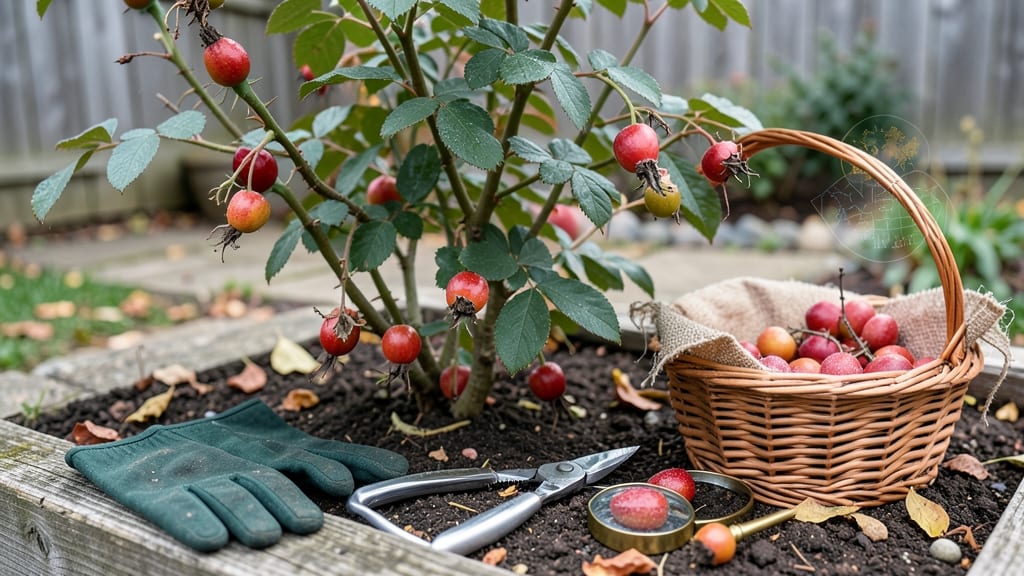
Harvest rose hips when they turn bright red, orange, or yellow 🌹 — that’s when their vitamin C content peaks and the flavor is sweetest.
Picture this: you’ve spent months nurturing your rose bush, and now the hips are ready. But wait too long, and they’ll shrivel or fall to the ground, leaving you with bitter, underripe fruit. Or pick them too early, and you miss out on the full nutritional punch they’re famous for.
Timing is everything, and these three visual cues will help you nail it every time. From color to texture, I’ll show you exactly what to look for — and what to avoid — so you can harvest at the perfect moment.
Once you master the art of picking, I’ll share how to store and process your harvest to lock in those nutrients, whether you’re making tea, syrup, or preserving them for later.

3 Visual cues to identify perfectly ripe rose hips for harvesting
Rose hips pack a nutritional punch with vitamin C, but timing your harvest is critical. Picking too early means bitter, underripe fruit, while waiting too long can lead to shriveled or split hips.
Master these three visual cues to ensure you harvest at peak ripeness—when their flavor and nutrients are at their highest.
Climate plays a huge role in ripening speed. In cooler regions like the Pacific Northwest, hips may ripen later—sometimes as late as November. Meanwhile, warmer climates like the Southeast can see harvest-ready hips as early as late September. Watch for these cues to adjust your timing accordingly.
- 1 Color Change: Hips transition from green to vibrant red, orange, or yellow. Avoid green-tinged hips—they’re underripe. Deep, uniform color signals peak ripeness.
- 2 Texture Shift: Gently press a hip—it should yield slightly (like a ripe tomato) but not feel mushy. Hard hips are unripe; soft or leathery ones are overripe.
- 3 Size Matters: Fully ripe hips reach 1–2 inches long and feel plump. Shriveled or split hips are past their prime—harvest before they dry out on the bush.
Don’t overlook the seed visibility trick: Hold a hip up to light—ripe hips have visible seeds through translucent skin. This is your final check before harvesting. Pro tip: Use tweezers or gloves to avoid thorns while picking.
Regional variations matter. In USDA Zone 5 or colder, hips may not ripen fully until October or November due to shorter growing seasons. Conversely, Zone 8+ climates often see harvests by late September. Adjust your expectations based on your local frost dates.
Climate also affects ripening speed. Hot, dry summers can accelerate ripening, while cool, wet seasons may delay it. Monitor your bushes weekly in late summer to catch the window when hips are at their best—usually 4–6 weeks after flowering.
Overripe hips lose vitamin C content and develop mold risks. If you miss the harvest window, store unripe hips in a cool, dark place (like a paper bag) to slow ripening. But for the best flavor and nutrition, aim to harvest when hips are firm, vibrant, and plump.
Once you’ve mastered these cues, you’ll know exactly when to harvest for tea blends, jams, or wildlife support. The key is consistency—check your bushes every 3–5 days during peak ripening season to avoid missing the sweet spot.
Remember: Timing is everything with rose hips. A little patience ensures you reap the rewards of nutrient-dense, flavorful fruit—ready for your favorite recipes or garden ecosystem benefits. Happy harvesting! 🌹
How to test rose hip ripeness: the squeeze and snap method
Beyond just looking at rose hips, your hands can tell you exactly when they're ready for harvest. The squeeze test and snap method reveal ripeness that color alone might miss. These tactile tests help avoid harvesting too early or too late, ensuring maximum vitamin C and sweetness.
Start by selecting a few rose hips from different parts of the plant. Mature hips should feel firm but yield slightly when pressed gently with your thumb and forefinger.
This indicates they're ripe and ready, not still hard or already mushy. The skin should resist pressure but give just enough to signal readiness.
⚠️ WARNING: Common Harvesting Mistakes ⚠️
Next, perform the snap test by gently twisting a rose hip. A ripe hip will make a clean, crisp snap when broken in half—like a fresh green bean. If it bends without snapping or feels mushy, it's past its prime. This test works best on bright red or orange hips, which are typically the sweetest varieties.
Pay attention to the seed visibility inside the hip. When ripe, seeds should be clearly visible through the translucent skin. If you can't see them, the hip needs more time on the plant.
Conversely, if the skin is wrinkled or the seeds look shriveled, it's overripe and should be harvested immediately to salvage what's left.
Timing matters most in cooler climates, where hips ripen slower. In warmer regions, they may overripen quickly. Harvest on a dry morning after dew has evaporated to prevent mold. Use clean, sharp pruning shears or wear gloves to avoid thorns while collecting.
Once you've mastered these tactile tests, you'll never guess again when rose hips are perfect. The squeeze and snap method ensures you get the most nutritious harvest every time—whether you're drying them for tea or making jams. Happy harvesting! 🌹