
How To
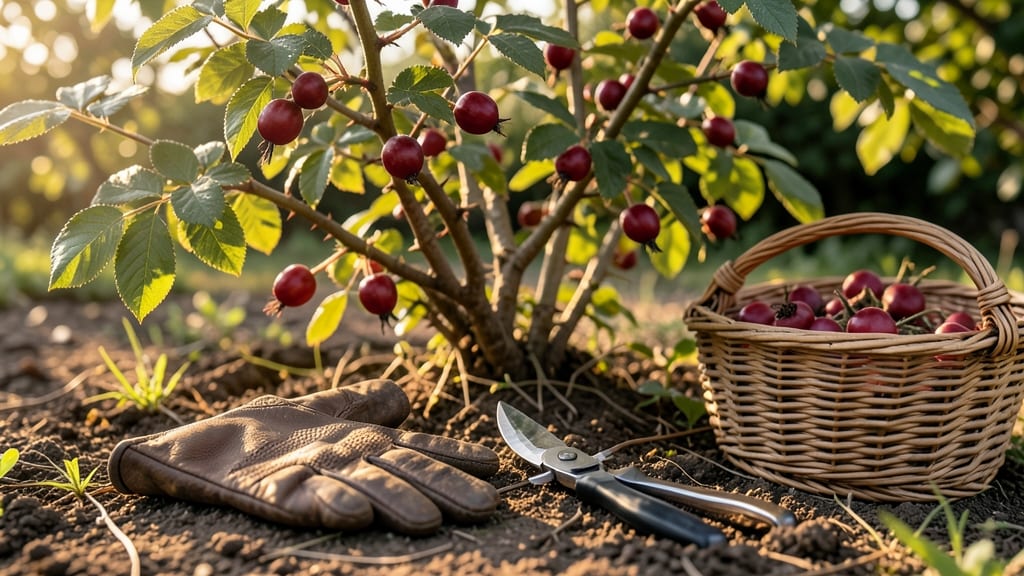
Harvesting rosehips at the right time ensures you capture their peak vitamin C and rich flavor—usually between late September and November, depending on your climate.
Picture this: you’ve spent all summer nurturing your 🌹 rosehip shrubs, and now the hips are ready—but how do you know when to pick them?
Too early, and they’re tart and underripe; too late, and they shrivel into mush. The secret lies in color, texture, and a little gentle pressure.
In USDA Zone 6a, where many gardeners grow rosehips, the first frost often signals the perfect window. That’s when the hips turn from green to a deep, vibrant red and yield slightly when squeezed—like a ripe tomato.
Miss this moment, and you might end up with hips that are either bitter or too soft for storage.
Below, I’ll walk you through the three simple tests to nail the harvest, plus how to preserve your bounty for teas, jams, or supplements—so you never waste another season’s crop.

3 Visual & touch tests to determine when rosehips are ready for harvest
Timing your rosehip harvest is everything—picking too soon means bitter, underripe hips with minimal vitamin C, while waiting too long risks overripe, mushy fruit that spoils quickly. The secret lies in three simple tests: color, texture, and size.
Master these, and you’ll unlock the peak flavor and nutritional power of your rosehips, perfect for teas, jams, or supplements.
I’ve harvested rosehips for years, and these tests have never failed me. The first frost often signals ripeness, but don’t rely on it alone—some years bring early frosts, while others drag on.
Instead, use these hands-on cues to guarantee perfect timing every season. Whether you’re growing Rosa rugosa or Rosa canina, these methods work for all varieties.
Here’s the game-changer: combine all three tests for 100% accuracy. A single test might fool you—like a deep red hip that’s still hard or a soft one that’s shriveled. But when color, texture, and size align, you’ve hit the sweet spot. Let’s break it down step by step.
Look for a uniform deep red or purple hue—no green patches. Rosa rugosa hips turn bright orange-red, while Rosa canina leans toward deep purple. A partial green means wait 1-2 weeks.
Gently press a hip between your thumb and forefinger. It should feel firm but slightly yielding, like a ripe peach. If it’s hard as a rock, it’s unripe; if it’s mushy or leaking, it’s overripe.
Hold a hip next to a dime (18mm diameter). Ripe hips should be 1.5x larger—about the size of a marble or small cherry. Tiny hips are underdeveloped; giant ones may be splitting.
💡 Pro Tip: Harvest on a dry, sunny morning after the dew has evaporated to prevent mold and preserve vitamin C.
Let’s talk about common mistakes that sabotage harvests. I’ve seen gardeners pick hips that are still green because they assumed the frost was enough. Or worse, they wait until the hips split open, losing precious nutrients to birds and rot.
The key is consistency: check 2-3 hips daily once they start coloring up, and harvest only when all three tests pass.
Another trick I swear by? Shake the plant gently before harvesting. Ripe hips will rattle inside like marbles, while unripe ones stay silent. This works especially well for tall rose bushes where reaching every hip is tricky.
Pair this with the color test, and you’ll spot ripe clusters without missing a single one.
What about storage after harvest? If you’ve nailed the timing, your hips will stay fresh for 3-5 days at room temperature or up to 2 weeks in the fridge. But for long-term use, you’ll want to dry or freeze them ASAP.
I’ll cover those methods in the next section, but for now, focus on harvesting at peak ripeness—the rest is just icing on the cake.
One last piece of advice: wear gloves. Rosehips have tiny prickles that can irritate your skin, and the stems are even worse. Trust me, your hands will thank you later. Plus, gloves make the harvest process faster and mess-free, especially if you’re processing hips for tea or jam.
Ready to put these tests to work? Grab a basket, head to your rose bushes, and start checking those hips today. The earlier you harvest, the more time you’ll have to enjoy homemade rosehip tea or jam before winter sets in.
And remember: patience pays off—the perfect rosehip is worth the wait.
🌹
Best harvesting months by climate zone: a seasonal guide for rosehips
Rosehips thrive in different climates, but their harvest window shifts dramatically depending on your USDA zone. In colder zones, a light frost can signal peak ripeness, while warmer climates may require waiting until late fall. Understanding these variations ensures you never miss the vitamin C-rich harvest window.
Most rosehips ripen after the first frost, but timing depends on your zone. In Zones 3-5, expect harvests as early as September, while Zones 7-10 may extend into December. Early frosts can spoil hips, and waiting too long risks overripeness—both reduce flavor and nutritional value.
| Climate Zone | Peak Harvest Month | Early Warning Signs (Overripe) | Late Harvest Risks |
|---|---|---|---|
| Zones 3-5 | September-October | Soft, wrinkled skin; mold | Frost damage before ripening |
| Zones 6-7 | October-November | Split open; fermented smell | Birds eat all ripe hips |
| Zones 8-10 | November-December | Dry, papery texture | Loss of vitamin C |
In Zones 3-5, monitor for the first light frost—this often triggers ripening. Harvest within 1-2 weeks after, as hips can spoil quickly in cold climates. Use a breathable mesh bag to protect them during transport if temperatures drop below 32°F.
Warmer zones like 8-10 may need to wait until late fall. Here, hips often ripen unevenly, so check plants weekly. If birds become aggressive, cover bushes with lightweight netting to preserve your harvest.
Adjust your schedule if early frosts threaten. In Zone 6, for example, a sudden cold snap in September might require harvesting unripe hips—they’ll ripen indoors at room temperature over 1-2 weeks.
Always harvest on dry mornings to prevent mold. Use clean pruners to snip stems, leaving a small portion attached. Store harvested hips in a paper bag in the fridge for up to 2 weeks before processing.