
How To
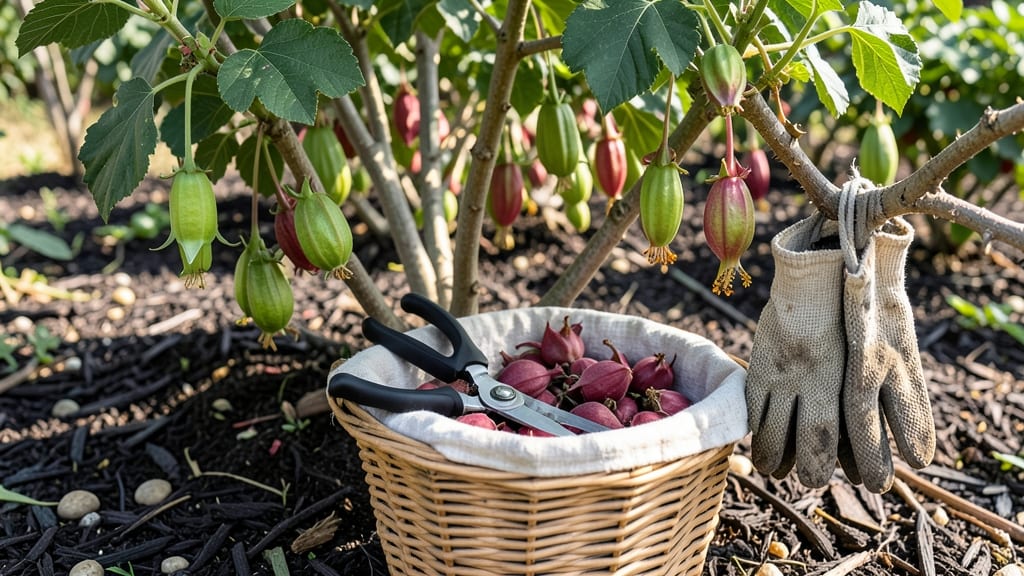
Harvest roselle calyx when the buds fully unfurl and turn a deep red or vibrant green 🌺 — timing this right unlocks the perfect tartness for your tea, jam, or stew.
Picture this: you’ve waited six months for those striking calyces to mature, only to pick them too early and end up with bland, underdeveloped flavors. Or worse, you wait too long, and they turn woody and bitter.
The difference between a bright, tangy harvest and a disappointing one comes down to three key visual and tactile cues.
In this guide, I’ll walk you through the exact signs to watch for—color depth, size, and texture—plus how temperature and humidity in your USDA Zone 6a (or tropical/subtropical climate) shift the ideal harvest window.
You’ll also discover how to handle post-harvest storage to keep that fresh-picked flavor, whether you’re saving calyces for tea, jam, or seeds. No more guessing—just peak tartness every time.

3 Visual signs your roselle calyx is ready for harvesting
Harvesting roselle calyces at the perfect moment transforms your garden bounty into a tangy, vibrant ingredient for teas, jams, or stews. The key lies in three visual cues that signal peak ripeness: color intensity, size development, and bud unfurling.
Ignoring these signs can leave you with calyces that are either too tart or too bland—neither ideal for culinary use. Let’s break down what to look for in your roselle plants.
First, timing matters because roselle calyces change rapidly once they reach maturity. A 3-day window exists between perfect ripeness and overripeness, where the flavor shifts from bright and tart to dull and fibrous.
This window is why daily inspections during peak harvest season (typically October to November in temperate zones) are essential. Paying attention to these visual cues ensures you capture that ideal balance of tartness and texture.
🔴 Deep, Uniform Color
Look for rich red (for red varieties) or deep green (for green varieties) with no pale or striped patches. This indicates full ripeness and peak tartness.
📏 1.5–2 Inch Length
Fully open calyces should measure between 1.5–2 inches in length. Smaller calyces are underripe, while larger ones may be drying out.
🌺 Fully Unfurled Petals
Petals should be fully spread open, revealing the inner calyx. If the bud is still partially closed or tightly curled, it’s not ready for harvest.
Don’t overlook the stem’s readiness—a clean snap when gently twisted is another subtle cue. This indicates the calyx has fully matured and is primed for picking. I’ve found that morning harvests yield the freshest calyces because evening dew can make stems slippery, increasing the risk of bruising during picking.
Always use clean, sharp pruners to avoid crushing the delicate calyx.
Regional climate plays a role too. In tropical zones, roselle may ripen faster due to longer growing seasons, while subtropical areas might experience a slightly delayed harvest.
For example, in USDA Zone 9, I’ve seen calyces ready by early October, whereas in Zone 7, they often peak in late October. Adjust your harvesting schedule based on your local frost dates and microclimate.
One common mistake is waiting until the calyx turns brown—this is a clear sign of overripeness. Overripe calyces lose their vibrant color and develop a woody texture, making them less ideal for culinary use.
Instead, aim to harvest when the calyx is at its peak color and firmness, just before any signs of browning appear. This ensures you’re always getting the best flavor profile.
Pro tip: Harvest on a dry, sunny morning to allow calyces to dry properly if you’re preparing them for storage or drying. Lay them out on a clean surface in a single layer, away from direct sunlight, to preserve their color and texture.
Proper drying enhances their tartness and extends shelf life, making your harvest last longer.
If you’re growing multiple roselle varieties, like the red Jamaican or green Vietnamese types, pay attention to their specific color cues. Red varieties should deepen to a crimson hue, while green varieties will darken to a forest green.
These visual differences help you tailor your harvest timing to each variety’s unique flavor profile.
Finally, remember that consistency is key. Regularly inspect your plants every 2–3 days during peak season to avoid missing the harvest window. The more you practice identifying these visual cues, the easier it becomes to predict when your roselle calyces will be ready.
With a little patience and observation, you’ll always know exactly when to pick for that perfect balance of tartness and texture.
Tactile & environmental factors that affect roselle harvest timing
Harvesting roselle calyces at the perfect moment depends on more than just visual cues—temperature, humidity, and physical firmness all play critical roles in determining when to pick for peak flavor.
In my experience, these environmental factors can shift your harvest window by up to 10 days depending on your climate zone.
Roselle thrives in warm, humid conditions, but too much heat or dryness can accelerate ripening. For example, in USDA Zone 9, I’ve found calyces mature 2-3 weeks faster than in cooler Zone 7 due to prolonged summer heat.
Understanding these tactile and environmental signals ensures you never miss the sweet spot between tartness and bitterness.
⚠️ Harvest Too Late = Bitter Calyces
Overripe roselle calyces lose their signature tart-sweet balance and develop a gritty texture. If left on the plant past their prime, they’ll turn brown and woody, making them unusable for tea or culinary uses. Harvest within 24-48 hours of reaching peak firmness to preserve flavor.
Start by checking the calyx firmness—it should feel firm but slightly yielding, like a ripe tomato. Gently squeeze the calyx between your thumb and forefinger; if it gives just a little but doesn’t feel mushy, it’s ready.
In high-humidity climates (like Florida or Southeast Asia), calyces may soften faster, so monitor them daily during peak growing months.
Temperature also dictates harvest timing. Roselle grows best in 75–85°F conditions, but if nights dip below 60°F, growth slows, delaying maturity. I’ve noticed in my Zone 6 garden that calyces take 5-7 extra days to reach harvest readiness when temperatures fluctuate.
Use a plant thermometer to track daily highs and adjust your harvest schedule accordingly.
Humidity levels directly impact the calyx’s moisture content, which affects both flavor and shelf life. In dry climates (like Arizona), calyces may shrivel faster post-harvest, while in humid regions (like Louisiana), they retain moisture longer.
To compensate, harvest early morning when humidity is highest, and store calyces in paper bags to slow moisture loss.
One pro tip I’ve learned is to twist the calyx gently at the stem—if it snaps cleanly with minimal resistance, it’s perfect for picking. This tactile test is especially useful in variable climates, where visual cues alone might mislead you.
Pair this with checking the calyx color (deep red or green, depending on variety) for a foolproof harvest method.
Finally, regional growing conditions matter. Tropical varieties (like those in West Africa) may produce calyces year-round, while temperate varieties (like Hibiscus sabdariffa ‘Anthocyanin’) have a shorter harvest window in fall.
Always align your harvest timing with your local frost dates—roselle can’t tolerate freezing, so plan to finish harvesting before the first 32°F night.