
How To
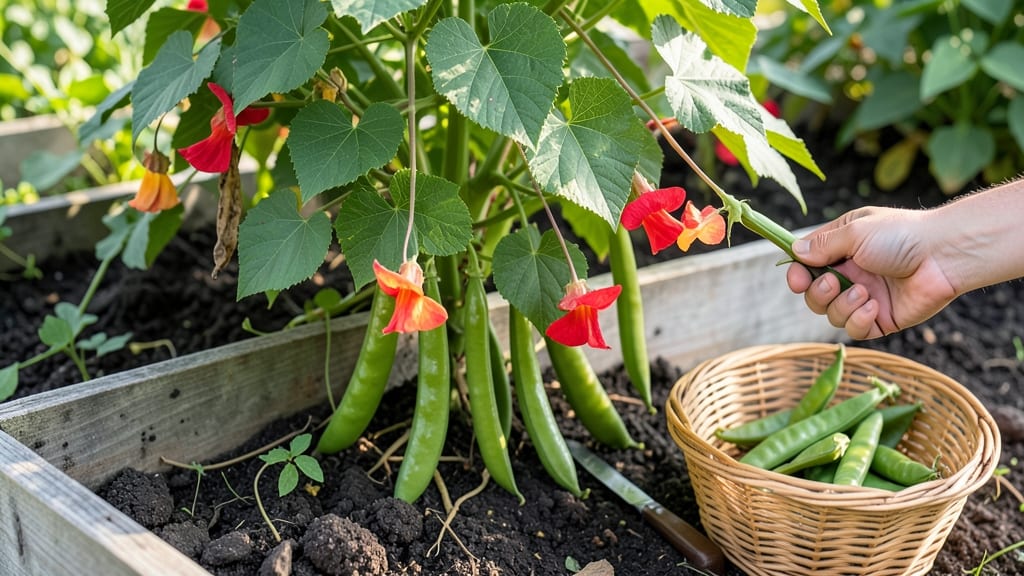
Harvesting scarlet runner beans at the right time ensures tender, flavorful pods packed with sweetness—miss it, and you’ll end up with tough, seedy beans that taste bitter.
Timing your scarlet runner bean harvest wrong means sacrificing sweetness and yield—these vibrant climbers reward patience with flavorful pods, but only if you pick them at the perfect moment.
Look for pods that are 4-6 inches long and deep red, with seeds that are just starting to form. If you wait too long, the pods harden, the seeds darken, and the flavor turns woody.
Below, I’ll walk you through the exact cues to watch for, how to check pods for readiness, and why harvesting at the right stage makes all the difference in your garden’s success.

How to identify the perfect harvest time for scarlet runner beans
Timing your scarlet runner bean harvest is an art that balances pod tenderness with seed development. These striking vining plants produce pods that transform from pale green to deep red as they mature—missing the window means tough, stringy beans or fully hardened seeds.
I’ve learned through trial and error that visual cues like pod shape, color, and texture are your best tools for nailing the perfect harvest.
Start by familiarizing yourself with the ideal pod characteristics. At the perfect harvest moment, pods should measure 4-6 inches long, feel firm but not hard, and display a deep red hue along their seams.
The seeds inside should still be small and undeveloped—if they’ve swollen to fill the pod, you’ve waited too long. Paying attention to these details ensures you’re harvesting at peak flavor and texture.
Visual cues are your first line of defense against common mistakes. Many gardeners I know (including my early attempts) tend to either harvest too early, resulting in underdeveloped pods, or wait too long, leading to woody, fibrous beans. The key is consistency—check your plants every 2-3 days once pods begin forming to catch them at their prime.
Now, let’s break down the harvest readiness checklist in a way that makes it simple to apply in your garden:
One of the biggest mistakes I see is relying solely on pod color as the sole indicator. While deep red seams are a great sign, they don’t tell the whole story. Always squeeze the pod gently—if it feels too soft, it’s past its prime.
Overripe pods become woody and tough, making them unpleasant to eat. Conversely, pods that are still pale green or less than 4 inches long won’t have developed their full flavor profile.
Another pro tip: Harvest in the morning when pods are cool and crisp. This ensures you’re getting the freshest beans possible. I’ve found that morning harvests also stimulate more production—the plant responds by producing new flowers and pods more quickly.
Plus, harvesting early in the day gives you time to blanch or cook your beans while they’re at their peak tenderness.
Don’t forget to check the seeds inside if you’re unsure. Snap open a pod and peek—if the seeds are still tiny and pale, your beans are ready. If they’re large and dark, you’ve missed the boat.
This quick check can save you from harvesting a batch of overripe beans that’ll be tough to enjoy. For me, this simple step has become a game-changer in ensuring a consistent harvest of delicious pods.
Regional variations can also play a role in harvest timing. In warmer climates, scarlet runner beans may mature faster, while cooler regions might see a slower development. Pay attention to your local growing season and adjust your harvest schedule accordingly.
For example, in Zone 7, I typically start seeing harvest-ready pods around mid-July, while in Zone 9, the harvest window might extend into October.
Finally, remember that consistent harvesting encourages more production. If you let too many pods mature fully, the plant will focus on seed development rather than producing new flowers. Aim to harvest every 2-3 days during peak production to keep
Scarlet runner bean harvesting schedule by growth stage
Scarlet runner beans follow a predictable growth cycle, and knowing when to harvest at each stage maximizes flavor and yield. These climbers produce pods over 8-12 weeks after planting, but timing your harvests correctly is key.
Start checking for pods 60 days post-planting, and continue until the first frost. The secret? Harvesting at the right moment encourages more production while keeping the pods tender and sweet.
Your harvesting schedule should revolve around pod size, color, and seed development. Flat, deep-red pods measuring 4-6 inches are prime for picking. If you wait too long, the pods toughen up and seeds harden, making them less palatable.
Meanwhile, harvesting too early means missing out on the full flavor potential. The balance is everything—and I’ll show you exactly how to strike it.
- 1
- 2
- 3
- 4
Consistency is your best friend when harvesting scarlet runner beans. I’ve found that checking the vines every 2-3 days during peak season prevents overripe pods from forming. Use a small hand pruner to snip pods cleanly, leaving the stem attached to the vine.
This method reduces stress on the plant and keeps it producing longer. If you notice fewer new flowers, it might be time to reduce harvests or fertilize lightly to boost growth.
One common mistake I see is waiting until pods are fully red before harvesting. By then, the seeds inside are often too developed, and the pods become tough and stringy. Aim for deepening color with firm texture—this is your cue to pick.
Another tip? Harvest in the morning when pods are cool and crisp. This ensures the best flavor and texture for cooking or fresh eating.
As the growing season winds down, you’ll notice a shift in pod production. Around 8-10 weeks post-planting, the plant may slow down. This is your signal to reduce harvesting frequency and let the remaining pods mature fully.
If you’re in a warmer climate, you might extend the season by providing light shade during hot afternoons. Just remember: once frost threatens, it’s time to harvest everything—even if the pods aren’t perfect.
Pro tip: Keep a harvest journal to track pod development in your specific climate. Note when flowers appear, pods form, and the first harvests occur. Over time, you’ll fine-tune your schedule to match your garden’s unique conditions.
And if you’re saving seeds, leave a few pods on the vine until they’re fully dry and brown. These will yield the next generation of scarlet runner beans for your garden.