
How To
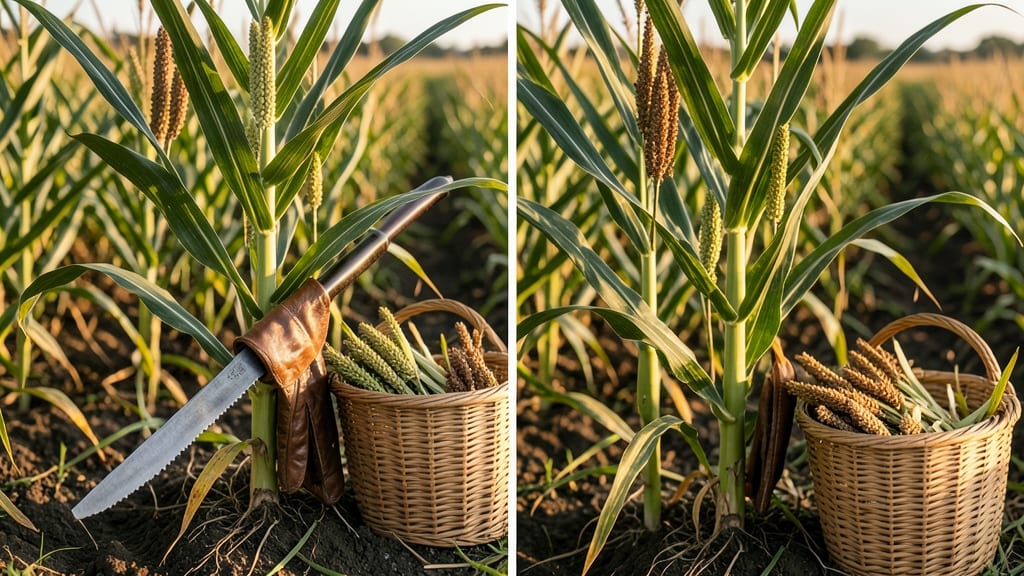
Harvesting sorghum at the right time ensures you get sweet, crunchy kernels instead of tough, bitter grains—here’s how to tell when your 🌾 is ready.
Picture this: You’ve spent months nurturing your sorghum, and now the moment of truth arrives. One wrong move, and you’re left with either underripe stalks or overripe, shattering seed heads. The difference between success and frustration often comes down to timing—and I’ve got the field-tested tricks to get it perfect.
Sorghum typically reaches harvest readiness between July and September, but the exact moment depends on three key factors: kernel color, moisture levels, and how easily the seeds separate from the stalk. Miss these cues, and you might end up with a harvest that’s either too soft or too dry.
In this guide, I’ll walk you through three foolproof tests to determine when your sorghum is at its peak, plus how climate and variety can shift your harvest window. Whether you’re growing sweet sorghum for syrup or grain sorghum for flour, knowing these signs will save you time—and your crop.

3 Field-ready tests to determine sorghum harvest readiness
Harvesting sorghum at the perfect moment transforms your garden into a treasure trove of sweet, crunchy kernels. But how do you know when those seed heads are ready? The key lies in three simple, field-tested methods that take just minutes to perform.
These tests—kernel color, moisture content, and seed separation—eliminate guesswork and ensure you harvest at peak flavor and texture.
I’ve relied on these same techniques for years, and they’ve never failed me. Whether you’re growing sweet sorghum for popping or grain sorghum for storage, these tests work for both types.
The difference between a perfect harvest and a bitter disappointment often comes down to timing, and these methods make it foolproof. Let’s break down each test so you can confidently harvest your crop.
🌾 3 Field-Ready Tests for Sorghum Maturity
-
Test 1: Kernel Color Check
Look for fully brown seed heads with no green streaks. Sweet sorghum kernels should turn a deep amber, while grain types will be tan or light brown. -
Test 2: Moisture Content Test
Snap a small stem near the base. If it breaks with a dry, papery sound and the inside is hollow, it’s ready. If it bends like fresh celery, wait 1-2 weeks. -
Test 3: Seed Separation Test
Rub a few kernels between your fingers. If they separate easily into individual grains, they’re dry enough for harvest. If they smear or stick together, they need more time.
Pro Tip: Perform these tests on 3-5 plants to account for variability in your patch. Harvest when 80%+ pass all three tests for consistent results.
Let’s start with the kernel color test, the simplest way to gauge maturity. Sweet sorghum varieties like ’Rio’ or ’Pioneer’ develop a rich amber hue when ready, while grain types such as ’Feterita’ turn a more subdued tan.
I always check the outermost seed heads first, as they tend to mature slightly earlier than those in the center. If you spot even a hint of green, hold off for another week—those kernels won’t pop or store well.
The moisture content test is where many gardeners trip up, but it’s actually the most reliable indicator of harvest readiness. When the stalks snap cleanly with a hollow sound, you’re in the sweet spot.
I like to test stems in the morning after dew has dried, as moisture levels can fluctuate throughout the day. If the stem bends instead of snaps, your sorghum needs more time to dry down.
This test is especially critical for grain sorghum, which must reach 12-14% moisture for proper storage.
For the seed separation test, focus on the middle third of the seed head, where kernels are most uniform in maturity. Gently rub a handful between your thumb and forefinger—ready kernels will crumble apart like dry cornmeal.
If they resist or leave a sticky residue, your crop isn’t dry enough. I’ve found this test works best after a dry, sunny day, as morning dew can skew results. For large patches, test multiple seed heads to account for uneven maturity across the plant.
One common mistake I see is relying on days to maturity listed on seed packets. While these provide a general timeline, they don’t account for your local climate or growing conditions.
For example, hot, dry summers accelerate drying, while cool, humid weather can delay maturity by weeks. Always cross-reference seed packet estimates with these field tests to avoid over- or under-harvesting.
If you’re growing sweet sorghum for popping, aim to harvest when kernels are fully brown but still plump. Overripe kernels lose their sweetness and become tough. For grain sorghum, wait until kernels are hard and dry, even if the seed heads look mature.
I recommend harvesting grain sorghum in the early morning to avoid shattering during transport. Cut stems with a sharp pruner about 6 inches above the ground to leave room for regrowth if you’re saving seed.
After harvesting, dry your sorghum properly to prevent mold. For sweet varieties, spread seed heads in a well-ventilated, dry location (like a garage or barn) for 3-5 days until completely dry.
For grain sorghum, use a grain dryer or hang bundles upside down until kernels rattle when shaken. Proper drying ensures your harvest stays crunchy and flavorful for months.
Remember, patience is key with sorghum. Rushing the harvest leads to bitter, chewy kernels, while waiting too long results in shattered seed heads and wasted yield. By mastering these three tests, you’ll consistently harvest sorghum at its peak—whether you’re popping it fresh or storing it for later.
Now grab your pruners and get ready for a harvest that’ll make your neighbors jealous! 🌾
How climate and variety affect sorghum harvest timing
Not all sorghum varieties mature at the same time, and your local climate plays a huge role in determining the perfect harvest window. Sweet sorghum typically matures faster than grain sorghum, often ready in just 60-90 days after planting, while grain varieties may take up to 120 days or longer.
This difference means timing your harvest correctly could mean the difference between juicy syrup-making stalks and dry, hard kernels.
Heat and drought stress can also throw off your harvest schedule. In hot, dry climates, sorghum may mature faster due to accelerated growth, while cooler regions might see delayed ripening. Understanding these factors helps you adjust your expectations and avoid harvesting too early or too late.
Regional growing windows vary widely. In the Southern U.S., sorghum often reaches harvest readiness by late July or August, while gardeners in the Northern U.S. may need to wait until September. Even within the same region, microclimates—like valleys or hilltops—can shift your harvest by weeks.
| Variety Type | Days to Maturity | Climate Impact | Optimal Harvest Window |
|---|---|---|---|
| Sweet Sorghum | 60-90 days | Faster in heat, slower in cool | July-August (South), August-Sept (North) |
| Grain Sorghum | 90-120+ days | Drought speeds ripening | August-September (South), Sept-Oct (North) |
| Dwarf Varieties | 50-70 days | Consistent in all climates | June-July (Early harvest) |
If you're growing sweet sorghum for syrup, don’t wait until the stalks turn completely brown—they’ll lose their sweetness. Instead, harvest when the seed heads are still slightly greenish-brown and the stalks are firm but not woody.
For grain sorghum, wait until the seed heads are fully brown and the kernels rattle when shaken.
Drought conditions can also trick your sorghum into maturing faster than expected. If your area experiences prolonged dry spells, monitor your plants closely, as they may reach harvest readiness earlier. In contrast, excessive moisture can delay ripening, especially in grain varieties, leading to poor kernel quality.
To stay on track, keep a harvest journal noting planting dates, variety types, and local weather patterns. This helps you predict future harvests and adjust your schedule based on past experiences. With the right knowledge, you’ll always know when to harvest sorghum for the best results. 🌾