
Vegetables
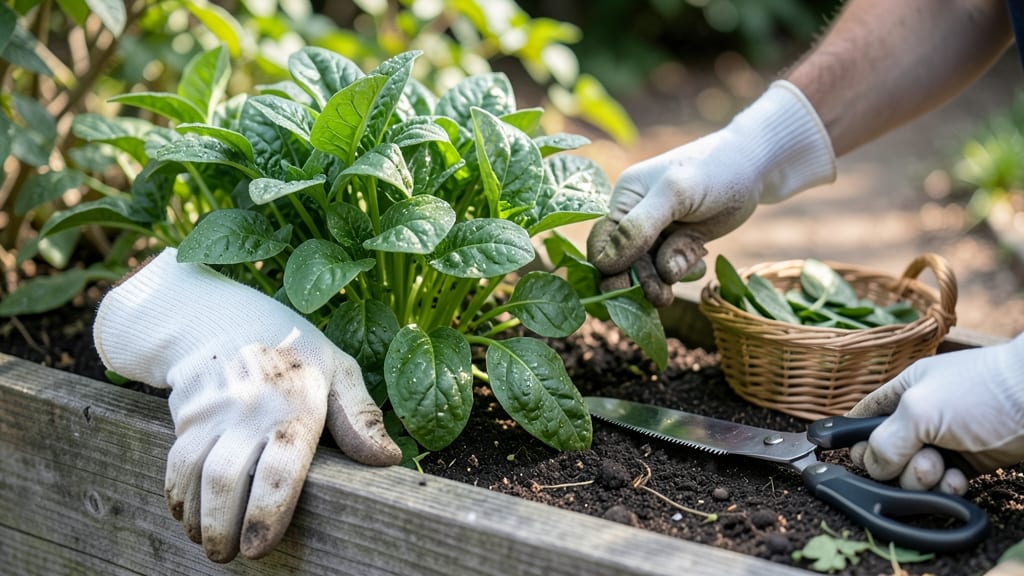
Harvesting spinach leaves at the right moment turns a simple garden task into a flavor-packed victory—because timing makes all the difference. 🌱 Picture this: you’ve nurtured your spinach for weeks, only to pull a leaf that’s tough, bitter, or already bolting.
That’s the moment you realize you missed your window.
Most gardeners assume bigger leaves mean better flavor, but that’s not always true. The key is catching spinach when it’s tender, dark green, and just the right size—usually between 4 and 6 inches long.
Harvest too early, and you’re left with sparse leaves; too late, and you’re fighting for quality. Here’s how to nail it every time.
You’ll learn three simple tests to check readiness—no guesswork involved. We’ll cover the best times of day to pick, how weather affects harvests, and why some leaves bolt before their time. No jargon, just practical tips to keep your spinach producing all season long.
By the end, you’ll know exactly when to snip for the sweetest, most vibrant spinach—so you can enjoy homegrown greens at their peak, week after week.

3 Visual & tactile tests to determine perfect spinach harvest time
Harvesting spinach at the right moment transforms your garden into a flavor powerhouse. The key lies in three simple but critical tests: leaf size, color, and texture. Skip these checks, and you risk bitter, fibrous leaves that scream "overripe" instead of "fresh from the garden."
I’ve learned the hard way—once I waited too long, and my spinach tasted like cardboard! Let’s fix that together.
Start by examining the outer leaves first—these mature first and give you the earliest clues. The perfect harvest window is narrow: too early, and you’ll have tiny, underdeveloped leaves; too late, and you’ll get tough, stringy greens.
Master these tests, and you’ll enjoy continuous harvests all season long. Ready to dig in?
- 1 Leaf Size Test: Harvest when outer leaves reach 4-6 inches long. Baby spinach varieties (2-3 inches) can be picked even smaller for delicate greens.
- 2 Color Test: Look for deep, glossy green leaves. Pale or yellowing leaves mean nutrient deficiency or over-maturity. Avoid harvesting these—they’ll ruin your salad!
- 3 Texture Test: Gently pinch a leaf. It should feel crisp but pliable, like a fresh lettuce leaf. If it resists or feels woody, it’s past its prime. Tender leaves = peak flavor!
- 4 Bolting Warning: Check the base of the plant for flower stalks. If you see tall, thin stems emerging, your spinach is bolting—harvest immediately or it’ll go to seed. This is your last chance for tender leaves!
Pro tip: Use these tests in the morning after dew has dried but before the sun intensifies. Leaves are most hydrated then, making color and texture easier to judge. I harvest mine between 7-9 AM, and the difference in flavor is night and day compared to afternoon picks.
Here’s a common mistake I see: gardeners wait until all leaves are fully grown before harvesting. That’s a recipe for bitter, tough greens. Instead, harvest outer leaves first, leaving the inner ones to mature.
This method keeps your spinach producing for weeks longer while maintaining tenderness. Think of it like trimming your hair—you don’t cut all of it at once!
For baby spinach varieties like 'Baby’s Leaf Hybrid,' you can start harvesting as early as 30 days when leaves are just 2-3 inches tall. These varieties are bred for continuous harvests, so don’t hesitate to pick frequently.
For mature varieties like 'Giant Winter,' wait until leaves hit 6+ inches and are fully developed before your first harvest.
One more tactile trick: Run your thumb along the leaf’s edge. If it feels smooth and slightly waxy, it’s ready. Rough or fibrous edges mean the leaf is overripe.
I also check the stem thickness—thin stems indicate tender leaves, while thick stems signal it’s time to harvest or risk toughness.
Remember, spinach bolting (going to seed) is your enemy. Once it bolts, leaves become stringy and bitter, and the plant shifts energy to producing seeds. If you’re in a hot climate (like Zone 8+), spinach bolts faster—aim to harvest within 40-45 days of planting.
In cooler zones, you’ve got up to 60 days before bolting becomes a concern.
Finally, trust your taste buds! After mastering the visual tests, do a quick taste test on a small leaf. If it’s mild, sweet, and crisp, you’re golden. If it’s earthy or bitter, harvest sooner next time. Your garden’s flavor feedback loop is the ultimate quality control.
With these tests in your toolkit, you’ll never again wonder, "Is my spinach ready?" Instead, you’ll confidently harvest tender, flavorful leaves all season—no guesswork required. Happy harvesting! ✂️🌿
Spinach leaf size vs. flavor: why bigger isn’t always better
When I first grew spinach, I assumed bigger leaves meant better flavor—but that’s not always true. Leaf size directly impacts tenderness and taste, and harvesting at the wrong stage can turn your homegrown bounty bitter or tough.
The key is understanding how spinach leaf dimensions correlate with peak flavor, not just yield.
Baby spinach leaves (under 3 inches long) are sweet and delicate, perfect for salads. However, they’re often too small for hearty dishes. Mature leaves (4-6 inches) strike the best balance—bold flavor with manageable texture.
But let them grow too big, and they’ll develop woody stems and bitter notes, ruining your harvest.
Here’s the critical breakdown: Harvest baby leaves at 2-3 inches for maximum sweetness, but switch to 4-6 inch leaves for versatility in cooking. The sweet spot? Dark green, crisp leaves that snap easily when pinched—this is your cue to harvest before bolting begins.
Balancing yield and quality is all about timing. If you prioritize continuous harvests, focus on young leaves (3-4 inches) and use the cut-and-come-again method. This encourages regrowth while keeping flavor optimal. For a one-time harvest, wait for 4-6 inch leaves—just don’t let them bolt!
Pro tip: Morning harvests yield the tenderest leaves. Spinach wilted overnight regains crispness when refrigerated, but over-mature leaves won’t recover. Always check for dark green color and firm texture—these are your best indicators of peak flavor.
Remember, bigger isn’t always better when it comes to spinach. The sweet spot? Harvest at 4-6 inches for the perfect blend of flavor, texture, and yield. Now go enjoy that homegrown harvest! 🥬