
How To
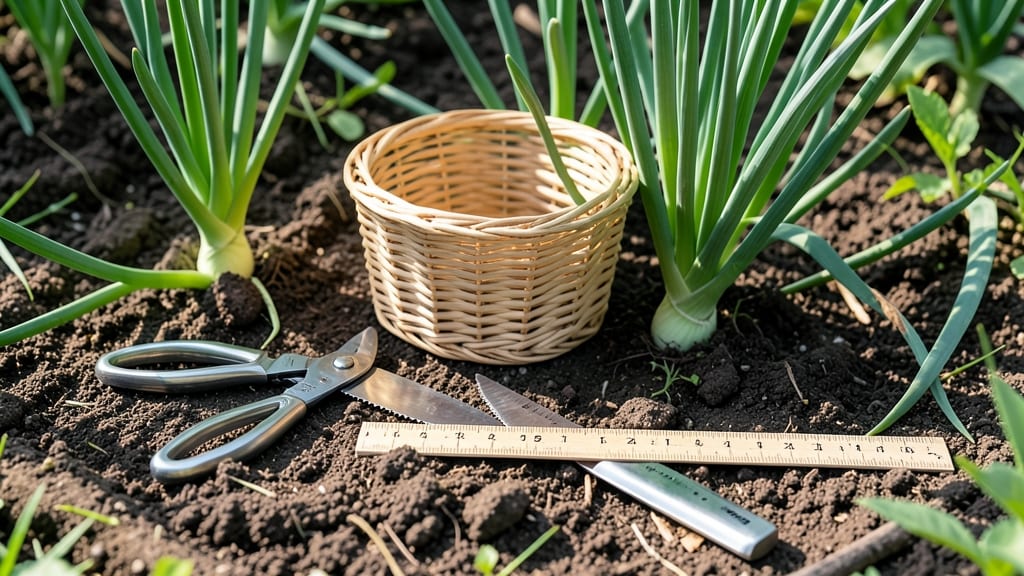
Harvesting spring onions at the right time means the difference between delicate, sweet greens and tough, bitter disappointment — and the key is knowing when to pull them.
Spring onions are one of the fastest-growing vegetables in your garden, but timing matters. Too early, and you’ll miss out on flavor; too late, and they bolt into seed. The secret? Watch for three simple cues that tell you the moment is perfect.
You’ll learn how to check leaf size, bulb development, and color — plus how to avoid the two biggest mistakes that ruin your harvest. Whether you’re growing green onions or bulbs, these tests work for every variety.
Once you master the timing, you’ll also discover how to harvest without damaging future growth, so you can keep pulling fresh greens all season long.

3 Visual tests to determine when to harvest spring onions
Spring onions are one of the most rewarding vegetables to grow—they mature quickly and add fresh flavor to almost any dish.
But knowing exactly when to harvest them is key to avoiding two common mistakes: picking them too early (when they're still too small and mild) or waiting too long (when they turn tough and bitter). The good news?
You don’t need a fancy toolkit—just your eyes and a little practice to spot the perfect moment.
I’ve grown spring onions for years, and the secret lies in three simple visual cues: leaf size, bulb development, and color. These signs work together like a checklist, ensuring you harvest at peak flavor and texture.
Let’s break them down so you can confidently pull (or cut) your spring onions the next time they’re ready.
🔍 3 Visual Tests for Harvest-Ready Spring Onions
- 1
- 2
- 3
Timing your harvest correctly also depends on your climate and variety.
In cooler regions, spring onions might mature faster (as early as 45 days), while warmer areas could take up to 75 days. Green onions (harvested before bulb formation) can be cut multiple times, but true spring onions with bulbs should be harvested all at once for the best texture.
One of my favorite tricks is to harvest in the morning when temperatures are cool. This preserves crispness and makes cleanup easier—just grab a pair of clean scissors or a sharp knife.
For regrowth, leave at least 1 inch of the base in the soil, and you’ll often get a second harvest in 2–3 weeks.
If you’re growing spring onions in containers or pots, check the bulb size more frequently since space is limited. Overcrowding can stunt growth, so thin seedlings to 2–3 inches apart when they’re 2 inches tall. This gives each plant room to develop proper bulbs and prevents competition for nutrients.
Finally, don’t ignore the soil conditions. Well-draining soil prevents rot, which can make bulbs mushy and unappetizing. If your soil feels compacted or waterlogged, amend it with compost before planting. Healthy soil = healthier, sweeter spring onions ready for harvest.
Next time you’re eyeing your spring onion patch, take a moment to check these three visual cues. When all three signs align—tall leaves, plump bulbs, and vibrant color—you’re ready to harvest. Trust me, your taste buds (and your salads) will thank you!
How to harvest spring onions without damaging future growth
Harvesting spring onions the right way ensures you get tender, flavorful greens while keeping your plants healthy for multiple harvests. Unlike regular onions, spring onions regrow after cutting—if you handle them carefully.
The key is using the right technique to avoid uprooting the plant or causing stress that leads to bitter flavors or stunted growth.
Whether you're harvesting for fresh salads, cooking, or regrowth, the method you choose depends on your goals. For example, cutting the greens just above the bulb leaves the plant intact, while pulling the entire onion sacrifices future harvests.
I’ll walk you through both approaches so you can decide what works best for your garden.
One common mistake is harvesting too aggressively, which weakens the plant. For example, cutting greens too close to the bulb can expose it to sunburn or disease. Always leave enough foliage to photosynthesize and support regrowth.
If you’re harvesting for storage, pull the entire plant—but save a few for regrowth if you want a continuous supply.
Spring onions are incredibly forgiving, but a little care goes a long way. By following these steps, you’ll enjoy a steady harvest of delicate, sweet greens all season long—without sacrificing future yields. Plus, you’ll save money by avoiding store-bought bundles that wilt within days.
Pro tip: Store harvested greens in a perforated plastic bag in the fridge for up to 10 days. For bulbs, trim roots and store them in a cool, dark place for 2-3 weeks. This keeps them fresh for soups, stir-fries, or garnishes without wasting your homegrown bounty. 🌱