
How To
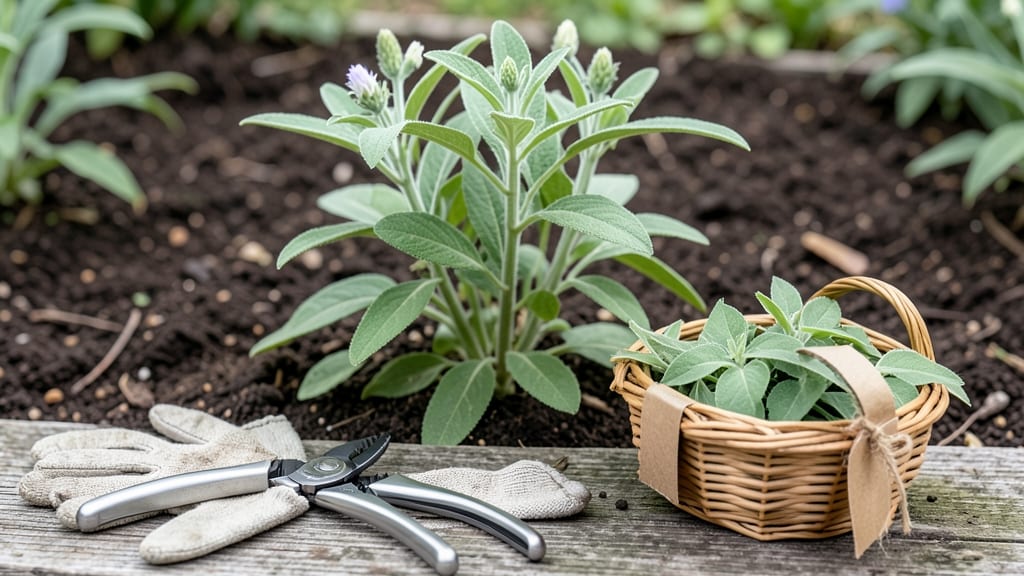
Harvesting stevia at the right time means the difference between a sweet, aromatic tea and bitter, underripe leaves—here’s how to know when your 🌿 is ready.
Picture this: you’ve nurtured your stevia all season, watching it grow from tiny sprouts to a lush, knee-high plant. But how do you know when those leaves are packed with the most sweetness?
Miss the window, and you’ll end up with foliage that’s either too mild or downright harsh. The key is timing—and a simple leaf snap test can tell you everything you need to know.
Most gardeners in USDA Zone 6a should aim for late summer to early fall, around August through October, when the plant is fully mature but hasn’t yet flowered. But climate matters: tropical regions might harvest earlier, while cooler areas could extend the season.
Below, I’ll break down the exact cues to watch for, from leaf color to stem firmness, so you never pick too soon or too late.
You’ll also discover how to preserve those freshly harvested leaves for maximum flavor, avoid common mistakes that ruin sweetness, and even adjust your harvest schedule based on your local growing conditions. No more guesswork—just perfectly timed, deliciously sweet stevia every time.

How to perform the stevia leaf snap test for optimal sweetness
Harvesting stevia at the right moment transforms your garden into a natural sweetener powerhouse. The leaf snap test is my go-to method for determining peak sweetness—it’s simple, tactile, and requires no special tools.
When performed correctly, this test helps you avoid the bitter, underripe leaves that ruin your tea or sweetener batches. The key lies in understanding what the leaf’s texture and sound reveal about its maturity and stevioside content.
Before you begin, ensure your stevia plant has reached maturity stage, typically 60-90 days after planting. Look for dark green, thick leaves and a woody stem—these are your first visual cues. The snap test builds on these observations by adding a physical dimension to your harvest decision.
I’ve found this method especially useful in temperate climates, where seasonal changes can drastically alter leaf development.
Here’s how to perform the test with precision:
Choose a middle-aged leaf (not the youngest or oldest) from the outer stems of your stevia plant. Avoid leaves near flowers or the base, as their sweetness and texture differ significantly.
Grip the leaf about 1 inch from the base with a firm but gentle hold. Your fingers should be parallel to the leaf stem, not perpendicular, to avoid crushing it.
Press downward with steady force until the leaf cleanly snaps. Listen for a crisp, dry sound—this indicates optimal maturity. A wet or fibrous snap means the leaf is underripe, while a brittle or powdery snap suggests it’s overripe.
Look at the fracture surface of the snapped leaf. An even, white interior with minimal green indicates peak sweetness. If the inside is green or watery, wait 1-2 weeks before testing again.
Repeat the test on 3-5 leaves from different parts of the plant. Consistency in the snap sound and fracture appearance confirms your stevia is ready for harvest.
For maximum stevioside content, harvest in the morning after dew has dried but before the midday heat. This timing preserves the leaf’s natural sweetness compounds.
If your stevia passes the snap test, you’re ready to harvest. Use clean, sharp scissors to cut leaves just above a leaf node, encouraging bushier growth. For continuous harvests, I recommend trimming 1/3 of the plant at a time, allowing the remaining foliage to regenerate.
This method ensures your stevia remains productive throughout the late summer to early fall harvest window.
Overharvesting can stress the plant, leading to bitter leaves or stunted growth. If you notice the leaves becoming yellow or sparse after harvest, reduce frequency and focus on nutrient-rich soil and consistent watering.
In my experience, a well-maintained stevia plant can yield multiple harvests per season if given proper care.
For those in tropical climates, the snap test remains reliable, but timing may shift to year-round harvests with optimal conditions. Monitor leaf development closely, as stevia in warm climates can mature faster. Always prioritize the leaf snap test over calendar-based harvesting—your plant’s physical cues are the most accurate guide.
Once harvested, dry the leaves thoroughly in shade to preserve sweetness. Avoid direct sunlight, which can degrade the stevioside compounds responsible for that natural sweetness. Store dried leaves in an airtight container away from moisture to maintain potency for up to 12 months.
Mastering the leaf snap test transforms your stevia harvest from guesswork to precision. With practice, you’ll develop an intuitive sense for the perfect snap—that crisp, dry sound signaling leaves bursting with sweetness. Happy harvesting! 🌿✂️
Best time of year to harvest stevia for maximum yield and flavor
Timing your stevia harvest correctly ensures the sweetest, most flavorful leaves. In temperate climates, aim for late summer to early fall—typically August through October—when plants are mature but haven’t yet flowered. Tropical regions can extend harvests year-round, thanks to consistent warmth and sunlight.
The key is balancing leaf maturity with environmental conditions to preserve sweetness.
Temperature plays a critical role in stevia sweetness. Ideal harvest temps range between 70°F to 80°F (21°C–27°C). Cooler mornings can actually enhance sweetness by slowing metabolic processes overnight.
If you’re in a hotter climate, harvest during early morning hours to avoid heat stress, which can make leaves bitter. Sunlight exposure also matters—plants need 6+ hours of direct sun daily to develop optimal sweetness.
| Climate Type | Best Harvest Window | Sweetness Peak | Key Conditions |
|---|---|---|---|
| Temperate (USDA Zones 6-9) | Late August–October | Early fall (before frost) | 70°F–80°F, 6+ sun hours |
| Tropical (Year-Round) | Spring & Fall (avoid wet seasons) | Dry season peaks | 75°F–85°F, consistent sun |
| Cold Regions (Zones 4-5) | July–Early September | Mid-summer warmth | 65°F–75°F, full sun |
To extend your harvest season, consider using row covers or moving potted plants indoors during cold snaps. In temperate zones, a light frost can signal the end of outdoor harvests, but you can still harvest indoors if plants remain healthy.
Prune leaves regularly to encourage new growth and maintain sweetness levels throughout the season. Avoid harvesting after flowering—this reduces stevioside content dramatically.
If you’re growing stevia in containers, harvest times may shift slightly due to microclimates. Containers heat up faster, so monitor leaf texture closely. A wrinkled, thick leaf is your best indicator of readiness, regardless of climate.
For maximum yield, harvest younger leaves first—they’re sweeter and encourage bushier growth. Always use clean, sharp scissors to avoid damaging stems.
Pro tip: Label your plants by harvest date to track sweetness variations. I’ve found that second harvests in early fall often yield the sweetest leaves, especially in cooler regions.
Store harvested leaves in a cool, dark place to preserve flavor until you’re ready to dry or use them. Drying leaves at 95°F (35°C) for 2–3 hours maximizes sweetness retention.
Remember, stevia’s sweetness compounds—like stevioside and rebaudioside—peak when leaves are mature but not overripe. Over-mature leaves can become bitter, while under-mature leaves lack sweetness. Strike that balance, and you’ll enjoy a steady supply of naturally sweet leaves year after year. Happy harvesting! 🌿