
How To
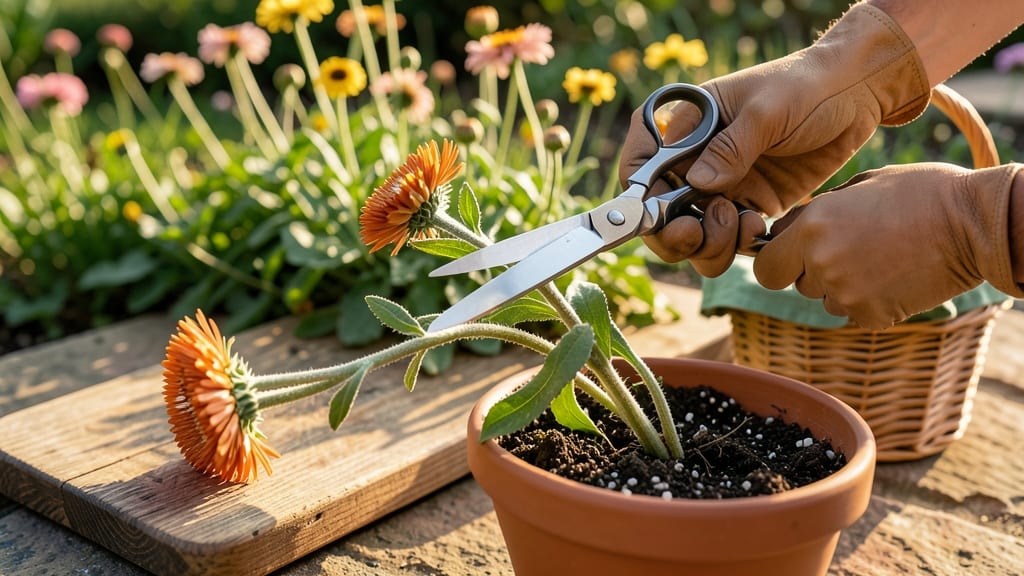
Harvest strawflower blooms when they're fully open and paper-dry 🌼—usually between July and September in USDA Zone 6a—to preserve their signature texture and longevity.
Picture this: you've nurtured your strawflowers all season, only to snip them too early and end up with floppy, lifeless blooms that crumble in your vase. That’s the biggest mistake gardeners make, and it’s completely avoidable with the right timing.
These long-lasting paper flowers reach their peak when petals are fully dry to the touch, color is vibrant, and stems feel firm. Miss these cues, and you risk ruining the perfect texture that makes strawflowers so prized for dried arrangements.
Below, I’ll walk you through the 3 key visual cues to harvest at the ideal moment, plus pro tips to keep your blooms fresh for weeks—no guesswork required.

3 Visual cues to know when strawflower blooms are harvest-ready
Timing your strawflower harvest is everything—pick too early, and you’ll end up with soggy, uneven blooms that crumble in your vase. Harvest too late, and the petals lose their vibrant color and become dusty.
The secret lies in these three visual cues that signal your strawflowers are at their absolute peak.
First, focus on the petal texture. When fully mature, strawflower petals should feel completely dry and papery to the touch, almost like delicate tissue paper. If they still have any moisture or slight softness, they’re not ready yet. This dryness is your first green light for harvest.
Next, examine the color saturation. At peak harvest time, strawflower blooms display their richest, most uniform hue. Look for deep, vibrant colors without any fading or streaks. Uneven coloring or pale edges mean the flower is overripe and past its prime.
Finally, check the stem resilience. A ready-to-harvest strawflower stem should feel firm and slightly woody near the base. Gently squeeze it—if it bends easily or feels spongy, the flower needs more time on the plant. This structural strength ensures your blooms will stay upright in arrangements.
Let’s say you’re growing ‘Mojave Moon’ strawflowers, known for their creamy white blooms. At peak harvest, these petals should resemble fine linen fabric in texture. Run your thumb along a petal—if it feels like sandpaper, it’s ready.
For ‘Pink Champagne’ varieties, check for that signature blush hue without any yellowing at the edges.
Here’s a pro tip: Harvest strawflowers in the early morning when temperatures are cool. This preserves their color vibrancy and prevents wilting. Use clean, sharp scissors and cut stems at a 45-degree angle just above a leaf node. This small detail makes all the difference in vase life.
One common mistake is assuming all strawflower varieties mature at the same rate. ‘Golden Delicious’ varieties, for example, may take 2-3 days longer to reach harvest readiness compared to ‘Mojave Pink’. Always check the petal texture first—it’s the most reliable indicator across all cultivars.
After harvesting, hang your strawflowers upside down in a dry, dark place for 1-2 weeks to fully dry. This preservation method is what makes strawflowers famous for their long-lasting beauty in dried arrangements. Proper timing now ensures your blooms will stay vibrant for years to come.
Now that you’ve mastered these visual cues, you’ll never miss the perfect harvest window again. Your future bouquets will thank you with weeks of color and that coveted paper-dry texture that defines strawflowers. Happy harvesting! 🌼
How to harvest strawflowers without damaging future blooms
Harvesting strawflowers at the right time ensures you get vibrant, long-lasting blooms while keeping your plant healthy for continuous flowering. The key is timing—cutting stems when they're fully mature but not yet overripe preserves both quality and plant vigor.
I’ve found that morning harvests produce the freshest stems, but there’s more to it than just the time of day.
Start by selecting stems that show three key signs of readiness: fully open petals with a papery, dry texture, rich and consistent color, and a firm, woody stem.
These visual cues guarantee your blooms will stay intact for weeks in arrangements. Missing these signs can lead to floppy, short-lived flowers that won’t hold their shape.
⏰ Callout-Tip: Best Time to Harvest Strawflower
Harvest strawflowers on a dry morning after dew has evaporated. This ensures stems are hydrated but not soggy, reducing the risk of fungal issues. Avoid harvesting after rain or evening dew, as excess moisture weakens stems and shortens vase life.
🌞 Pro Tip: If you must harvest in the evening, let stems dry overnight before arranging to prevent premature wilting.
When cutting, use clean, sharp pruners to make a 45-degree angle just above a leaf node. This angle increases water uptake, helping stems last longer in vases. Always leave at least one-third of the stem attached to the plant to encourage new growth and prevent stunting.
After harvesting, strip leaves from the lower half of each stem to reduce bacterial growth in water. Bundle stems in wet newspaper and refrigerate overnight to extend freshness. This simple step can add days to your bouquet’s lifespan, making your harvests go further.
To maintain your strawflower plant’s health, avoid over-harvesting. Never take more than one-third of the blooms at once, and space harvests at least 2-3 weeks apart. This balance ensures your plant keeps producing vibrant, healthy flowers throughout the season.
With these techniques, you’ll enjoy stunning, long-lasting strawflowers while keeping your plants thriving. The secret lies in patience—waiting for the perfect moment to harvest makes all the difference! 🌼