
Vegetables
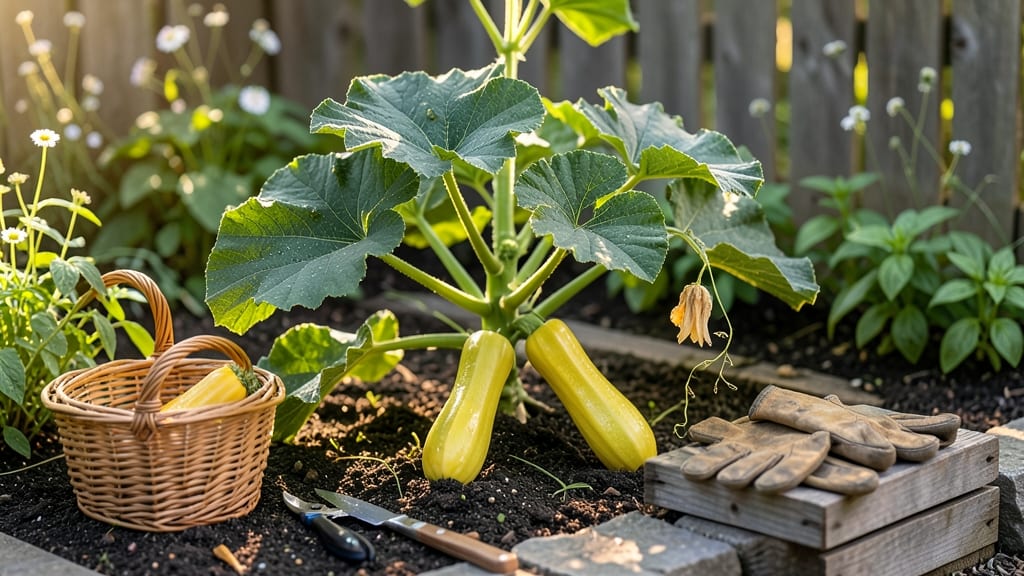
Harvesting summer squash at the right time ensures tender, sweet flesh that’s perfect for grilling or sautéing — and missing that window means tough, bitter veggies that ruin even the best recipes.
Summer squash is a gardener’s dream—until you harvest too late and end up with bitter, tough flesh that ruins your zucchini fritters. Timing is everything, but how do you know when those green beauties are at their sweetest?
Look for squash that’s 6–8 inches long with skin that resists gentle pressure—this is your cue to grab the knife. The color should be deep and even, and the stem should snap easily when bent. These simple checks take just 5 seconds but make all the difference in flavor.
In this guide, I’ll walk you through the exact signs of peak ripeness, how to avoid common mistakes (like overripe bitterness), and even how different varieties have unique harvest windows. Ready to turn your garden into a flavor factory?
How to identify the perfect harvest time for summer squash
Summer squash thrives when harvested at the right moment—too early and it’s underdeveloped; too late and it becomes tough and bitter. The key lies in visual and tactile cues that reveal peak ripeness.
I’ve learned that checking size, skin texture, and stem separation can save you from culinary disappointments. Pay attention to these subtle signals, and you’ll enjoy squash at its sweetest and most tender.
First, focus on the size of your summer squash. Most varieties, like zucchini or yellow crookneck, are ready when they reach 6–8 inches in length. This is the sweet spot where flavor and texture are ideal.
Smaller squash (under 4 inches) will be too immature, while larger ones (over 10 inches) often develop seeds and bitter flesh. Measure your squash regularly to catch them at their prime.
Next, examine the skin texture with your fingertips. A perfectly ripe summer squash has firm, slightly glossy skin that resists gentle pressure from your thumbnail. If the skin gives way easily, it’s underripe.
Overripe squash, on the other hand, may feel tough or develop a waxy coating. The right texture ensures a crisp bite and vibrant flavor in every dish.
Don’t overlook the stem separation test, a foolproof trick I swear by. Gently twist or bend the stem where it meets the squash. If it snaps cleanly with little resistance, that’s your cue to harvest.
This indicates the squash has fully matured and is ready to be picked. A stubborn stem means it needs more time on the vine.
Color is another critical indicator of ripeness, though it varies by variety. Zucchini should be deep green, while yellow crookneck squash turns a rich golden hue. Pattypan squash develops a uniform color across its scalloped edges.
Uneven or pale coloring suggests the squash isn’t fully ripe yet. Always harvest when the color is vibrant and consistent.
| Cue | Ready Squash | Underripe | Overripe |
|---|---|---|---|
| Size | 6–8 inches long | Under 4 inches | Over 10 inches |
| Skin Texture | Firm, glossy, resists pressure | Soft, easily pierced | Tough, waxy |
| Stem Test | Snaps cleanly | Stays attached firmly | Pulls away with resistance |
| Color | Deep, uniform | Pale or uneven | Dull, fading |
| Days After Planting | 50–75 days | Under 50 days | Over 75 days |
Timing your harvest isn’t just about the squash itself—it’s also about days after planting. Most summer squash varieties are ready 50–75 days after sowing, depending on the type. For example, zucchini often matures around 50–55 days, while yellow crookneck may take up to 65 days.
Keep a garden journal to track your plants’ progress and adjust your schedule accordingly.
Harvesting at the right time also encourages continuous production from your plants. When you pick squash regularly, the plant focuses its energy on producing more fruit instead of letting individual squash overmature.
I’ve found that harvesting every 2–3 days during peak season keeps my plants productive and my kitchen stocked with fresh, flavorful squash.
One common mistake I see is waiting until squash gets too large. By the time they reach 12+ inches, they often develop large seeds and fibrous flesh.
Instead, aim to harvest when they’re smaller and more tender. This not only improves flavor but also prevents the plant from becoming overwhelmed, which can reduce overall yield.
Pro tip: Use a sharp knife or pruners to harvest your squash, cutting it about 1 inch below the stem. This minimizes damage to the plant and encourages faster regrowth.
Always harvest on a dry morning to reduce the risk of disease, and avoid touching the leaves with harvested squash to prevent contamination.
Finally, trust your senses. The perfect summer squash should feel heavy for its size, indicating it’s packed with flavor and moisture. If it feels light or hollow, it’s likely overripe.
By combining these visual, tactile, and sensory cues, you’ll never miss the ideal harvest window again. Happy harvesting! 🎃
Avoiding bitterness: common harvest mistakes and how to fix them
Summer squash can turn bitter when harvested at the wrong stage, leaving you with tough, unpalatable veggies. The most common culprits are overripe or underripe squash, both of which develop bitter compounds as they age or struggle. Understanding these mistakes helps you adjust your harvesting techniques for consistently sweet results.
Overripe squash develops a woody texture and bitter taste because its seeds mature and produce cucurbitacin, a natural compound that becomes more concentrated over time.
Meanwhile, underripe squash may lack flavor because it hasn’t developed enough natural sugars. Both scenarios are fixable with better timing and attention to plant health.
⚠️ Harvest Too Late = Bitter Squash!
If your summer squash feels tough or tastes bitter, it’s likely overripe. Check these signs:
- Stem snaps instead of twisting (late-stage ripeness)
- Skin thickens and resists thumbnail pressure
- Seeds turn large and dark (bitterness peaks here)
Fix it: Harvest every 2–3 days once squash reaches 6–8 inches to prevent overgrowth.
Stress factors like drought or excessive heat can also trigger bitterness. When plants struggle, they produce more cucurbitacin as a defense mechanism. To avoid this, keep soil consistently moist (1–2 inches per week) and mulch to retain moisture. If you notice yellowing leaves or wilting, adjust your watering immediately.
Another mistake is harvesting at the wrong time of day. Heat stress from midday harvesting can make squash bitter. Always pick in the morning when temps are cooler.
This reduces stress on the plant and preserves flavor. Store harvested squash in a cool, dark place (50–55°F) to slow ripening and prevent bitterness.
For yellow varieties like crookneck squash, watch for color consistency. Uneven yellowing signals stress or uneven ripening, which can lead to bitterness. Harvest when the color is deep and uniform, and the skin is smooth. Avoid waiting for maximum size—smaller, tender squash is always sweeter.
Finally, pruning overgrown vines can help. If your squash plants produce too many fruits, they compete for nutrients, leading to poor flavor development. Thin out excess squash (leave 1–2 per vine) to ensure the remaining ones get enough energy to stay sweet and tender.