
Flowers
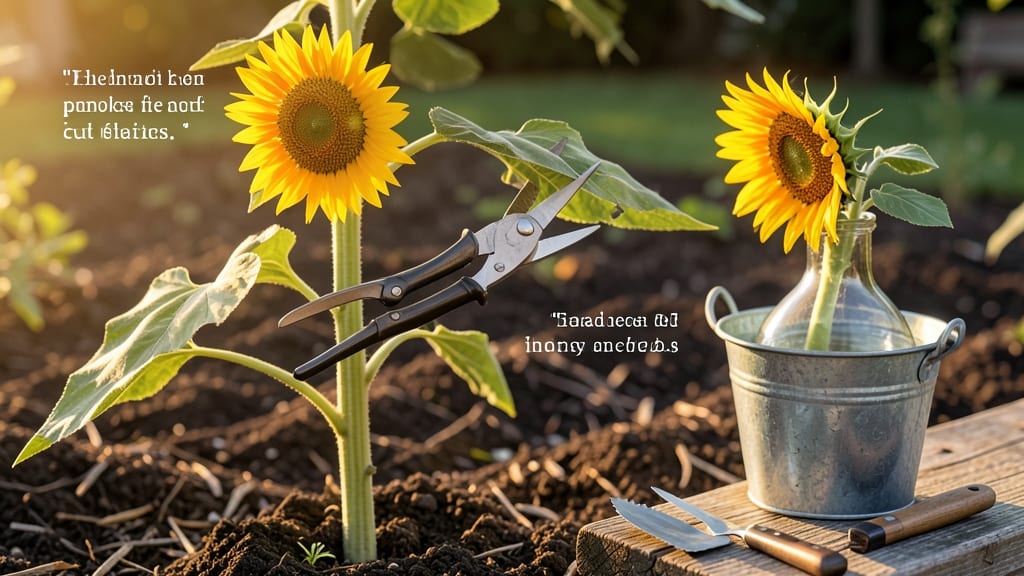
Harvest sunflowers for cut flowers when the petals are fully open but the seed head is still soft and green — that’s the sweet spot for vase life and vibrant color.
Picture this: you’ve spent weeks watching your 🌻 sunflowers grow, and now they’re ready to star in your bouquets. But wait too long, and those golden blooms turn brown and brittle before they even hit the water.
Or cut them too early, and you’ll end up with droopy stems that wilt in days.
Timing matters more than you think. A sunflower harvested at the right stage can last a full week in a vase, while one picked too late may only survive a few days.
Below, I’ll show you how to spot the perfect moment—using the stem snap test, petal color cues, and even the weather—to ensure your cut flowers stay fresh and stunning.
You’ll also discover the best time of day to cut, how to prep the stems for maximum longevity, and the one mistake that ruins sunflowers faster than anything else. Let’s get started!

How to test sunflower stem readiness for cutting: the snap test & bloom stage guide
Harvesting sunflowers at the perfect moment transforms your garden into a cut-flower goldmine.
The difference between vibrant bouquets that last weeks and droopy stems that wilt overnight often comes down to one simple question: Is the stem ready? I’ve learned through trial and error that timing matters more than most gardeners realize.
When you cut sunflowers too early, the blooms won’t fully open, leaving you with half-hearted arrangements. Cut too late, and the stems become woody while the petals fade. The key lies in two foolproof methods: the stem snap test and observing the bloom stage.
These techniques ensure you harvest at peak freshness for maximum vase life.
Before grabbing your pruners, take a moment to examine the flower head and stem. The back of the petals should show subtle brown or yellowing—this signals the plant is redirecting energy from blooming to seed production. Meanwhile, the seed head should still feel soft and green, not dry and papery.
Step-by-Step: How to Test Sunflower Stem Readiness
- 1 Check Petal Color: Look at the back of the petals. They should be starting to brown at the base while the front remains bright yellow. Avoid cutting if the petals are still fully green—this means the bloom isn’t mature yet.
- 2 Perform the Snap Test: Hold the stem near the base and gently bend it. If it snaps cleanly (not bends or breaks unevenly), the stem is ready. A woody or fibrous stem means it’s past its prime for cutting.
- 3 Inspect the Seed Head: The center should be green and soft, not brown or hard. If you see pollen dust, the flower is overripe—cut it for seeds instead of bouquets.
- 4 Observe the Flower Head: The petals should be fully open and flat, not curled. If they’re still tightly packed, wait 1-2 days before testing again.
- 5 Time Your Cut: Harvest in the early morning when stems are hydrated. Avoid cutting after heavy rain or late in the day, as this can shorten vase life.
The stem snap test is my favorite trick because it’s instant feedback. I’ve seen gardeners miss the perfect window by days just because they didn’t test the stem’s flexibility. A ready stem should break cleanly without bending—think of it like testing a carrot’s crispness at the market.
Another pro tip: Harvest on a cloudy day if possible. Bright sunlight causes rapid transpiration, which can stress the cut flowers. On sunny days, cut in the morning and immediately place stems in lukewarm water to prevent air bubbles from blocking the xylem.
If you’re growing multiple sunflower varieties, like Moulin Rouge or Autumn Beauty, pay attention to their specific bloom times. Some dwarf varieties mature faster than towering Russian Giant types. Always test stems individually—even within the same plant, readiness can vary by 1-2 days.
Once you’ve mastered the snap test and bloom stage cues, you’ll never waste another sunflower on your cutting garden. The difference in vase life is staggering: properly timed cuts can last 7-10 days, while late harvests often wilt within 24 hours.
That’s the power of knowing exactly when to cut!
Remember, the goal isn’t just to harvest—it’s to create showstopping arrangements that make your neighbors ask, “What’s your secret?” The secret? Timing, testing, and a little patience. Your future bouquets will thank you.
5 Key triggers that signal it’s time to harvest sunflowers for cut flowers
Harvesting sunflowers at the perfect moment transforms your garden into a bouquet goldmine. The difference between vibrant, long-lasting blooms and sad, drooping stems often comes down to these 5 critical triggers. Ignoring them means wasting your hard work—let’s fix that!
I’ve learned the hard way that waiting too long causes premature seed maturation, while harvesting too early results in underdeveloped stems. The secret lies in watching for these subtle but unmistakable cues that tell you: "It’s time!"
- 1
- 2
- 3
- 4
- 5
Look for yellowing at the base of petals while the outer edges remain bright. This means the flower has peaked but still holds moisture.
Gently bend the stem—it should bend slightly but not break. A hollow snap means it’s past prime; no bend means it’s not ready.
Check for light pollen dust on petals. Heavy pollen means the flower is drying out—harvest before this stage.
The center should be green but firm, not brown or hard. Overripe seeds = shorter vase life.
Heatwaves or drought can force early blooming. Harvest 1-2 days ahead if temps exceed 90°F to preserve moisture.
Pro tip: Harvest in the early morning when stems are hydrated. This simple habit adds 2-3 extra days to your bouquet’s freshness. I’ve seen sunflowers last 10+ days in water when harvested at the right moment!
Even if you miss the perfect window, don’t panic. Overripe sunflowers can still be used for seed collection or dried arrangements. But for that showstopping vase life, these triggers are your golden rule.
Next time you’re tempted to cut a sunflower "just because it’s pretty," pause and check these signs. Your future bouquets will thank you—bright, sturdy, and long-lasting—instead of flopping within days. 🌻