
Flowers
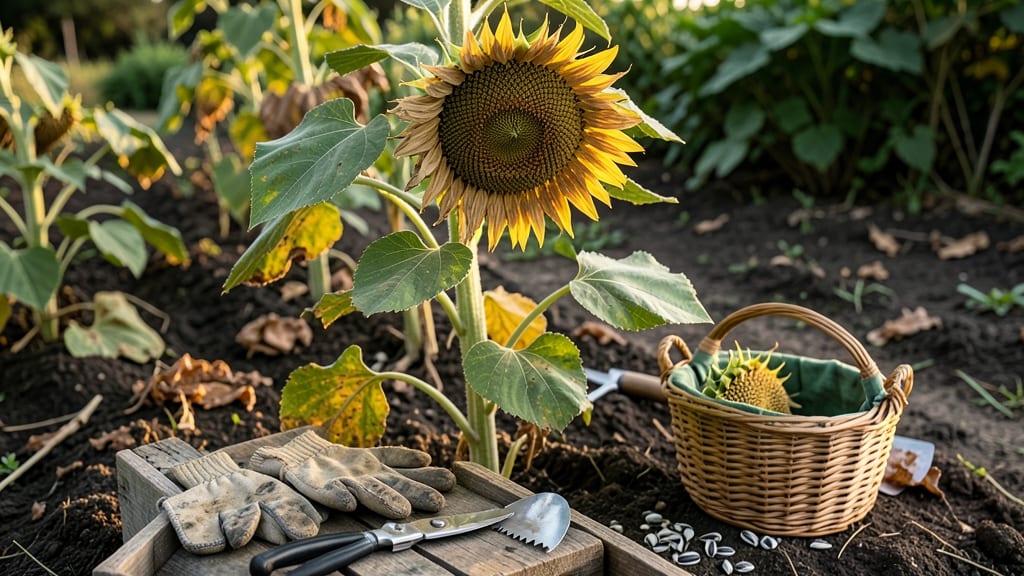
Harvest sunflowers at the right time to get crisp seeds and avoid bitterness — the key is watching for wilted petals and a dry, papery head.
Sunflowers aren’t just beautiful—they’re edible, nutritious, and perfect for fresh eating, cooking, or birdseed. But timing your harvest wrong means bitter seeds or wasted effort. Here’s how to know exactly when to pick them—using the one foolproof test every gardener should know.
Most varieties mature between 80 and 120 days after planting, but the real sign isn’t days—it’s the stem snap test. Bend the stem near the base: if it snaps cleanly, your sunflower is ready.
Skip this step, and you might end up with seeds that are too dry or still too green.
Regional differences matter too—sunflowers in Zone 6a (like much of the Midwest) often ripen in late summer, while warmer climates may see harvests stretching into early fall. Below, I’ll break down the exact cues to watch for, plus how to adjust for your local growing season.

The stem snap test: how to know sunflowers are ready to harvest
Harvesting sunflowers at the perfect moment transforms a beautiful garden centerpiece into a nutritious, versatile crop. But how do you know when they’re ready? Many gardeners rely on guesswork—checking petal color or seed size—but the stem snap test is the most reliable method.
This simple, hands-on trick tells you exactly when your sunflowers are primed for picking, whether you’re growing them for seeds, fresh eating, or bird feeders.
Why does the stem snap test work? As sunflowers mature, their stems become dry and woody, losing moisture as the plant redirects energy to seed development. When the stem snaps cleanly at the base, it’s a clear signal that the seeds inside are fully developed and ready for harvest.
This method works for all sunflower varieties, from dwarf types to towering mammoths, and eliminates the guesswork of waiting for petals to fully wilt.
How to Perform the Stem Snap Test
- Step 1: Choose a sunny, dry day Test your sunflower on a mild, dry morning (after dew has evaporated). Moisture can make stems appear softer than they are.
- Step 2: Locate the stem base Bend the main stem near the soil line. This is the weakest point and where you’ll feel the most resistance as the plant matures.
- Step 3: Apply gentle pressure 🌱 Grip the stem with your thumb and forefinger and bend it slowly side-to-side. Avoid pulling upward, which can damage the plant.
- Step 4: Listen for the snap A clean break with a slight cracking sound means the stem is dry and mature. If it bends without snapping, wait 2–3 more days and retest.
-
Step 5: Verify with visual cues
Cross-check with these signs:
- Petals are wilted and brown (not fully fallen)
- Back of the head is yellow-brown (not green)
- Seeds feel dry and papery when pressed
While the stem snap test is foolproof, it’s smart to combine it with visual maturity signs. Look for petals that have turned brown and begun to droop (but aren’t fully fallen).
The back of the flower head should also shift from green to yellow-brown, indicating the seeds are drying out. If you crack open a seed head and the seeds inside are plump and firm (not shriveled or still green), your sunflowers are ready.
Regional climate plays a role in timing, too. In hot, dry climates (like the Southwest U.S.), sunflowers may mature faster—sometimes in as few as 70–80 days. In cooler zones (like the Pacific Northwest), they might take 100–120 days.
Always adjust your harvest window based on your local last frost date and average summer temperatures. For example, if your area has a short growing season, prioritize early-maturing varieties like ‘Teddy Bear’ (60–70 days).
One common mistake is waiting too long, which leads to bird theft or cracked seed heads. Birds adore sunflower seeds and will strip a mature head in hours if left unprotected.
To prevent this, cover your sunflowers with bird netting once the stems pass the snap test but before the petals fully fall. This buys you 2–3 extra days to harvest without losing seeds to feathered thieves. For extra security, harvest in the early morning when birds are less active.
What if your sunflower’s stem snaps but the seeds inside are still green or shriveled? This usually means the plant didn’t receive enough sunlight or water during development. Sunflowers need 6–8 hours of full sun daily and consistent moisture (especially during bud formation).
If this happens, try pruning nearby shade sources or adjusting your watering schedule to encourage better seed development in future plants. A well-fed sunflower with proper care will reward you with crisp, flavorful seeds perfect for roasting or planting next season.
For gardeners growing sunflowers for cut flowers or decorative purposes, you can harvest slightly earlier—when the stem snaps but the petals are still partially vibrant. This extends their vase life by 3–5 days compared to waiting for full maturity.
Just be aware that the seeds won’t be fully developed for eating. If you’re unsure whether to harvest for seeds or bouquets, always prioritize the stem snap test as your guide—it’s the only method that works for both uses.
Once you’ve mastered the stem snap test, you’ll never second-guess your sunflower harvest again. This simple technique saves time, reduces waste, and ensures you get the best-quality seeds for your needs—whether you’re saving them for next year’s garden or enjoying them fresh.
Grab your sunflowers at the perfect moment, and you’ll turn a summer staple into a reliable, homegrown resource all season long.
Sunflower harvest timeline: days to maturity by variety (with chart)
Not all sunflowers mature at the same speed—some varieties like Mammoth take 100-120 days, while dwarf types like Teddy Bear reach harvest in just 60-75 days. Understanding these timelines helps you plan for climate adjustments, like extending the season in cooler zones or starting seeds earlier.
I’ll break down the most popular varieties and how to tweak their growth for your specific conditions.
Your USDA hardiness zone plays a huge role. In Zone 5 or colder, opt for faster-maturing varieties like Autumn Beauty (75-85 days) to avoid early frost. Meanwhile, in Zones 8-10, slower varieties like Russian Giant (110-120 days) thrive with their extended growing season.
Always check your last frost date and count backward from your variety’s maturity time.
Here’s a quick reference for common sunflower types—use this to map your planting schedule:
For oil varieties like Russian Giant, wait until the seed heads turn golden-brown and the back feels completely dry. These take longer but yield the most nutrient-rich seeds. Meanwhile, cutting varieties like ProCut can be harvested earlier when petals start wilting—this preserves their vase life.
Adjust your timeline if you’re in a shorter growing season. Start seeds indoors 4-6 weeks before your last frost, or choose early-maturing varieties like Teddy Bear.
In warmer climates, succession plant every 2-3 weeks for continuous harvests. I’ve even seen gardeners in Zone 10 grow sunflowers year-round with minimal adjustments!
Pro tip: Use black plastic mulch