
How To
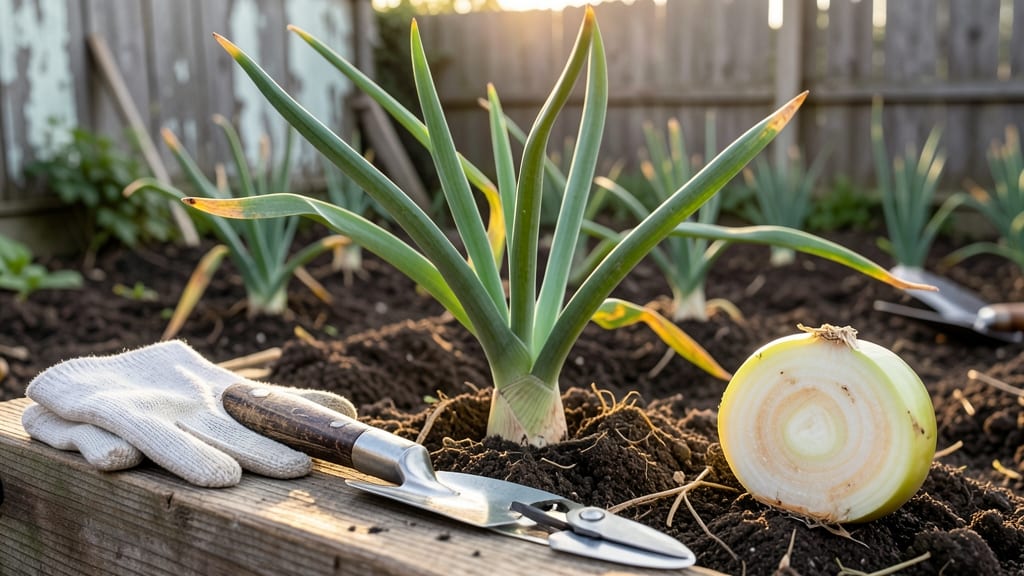
Harvesting sweet onions at the right time ensures tender, flavorful bulbs instead of tough, bitter ones—here’s how to know when they’re ready.
Picture this: you’ve nurtured your 🧅 through spring, and now the tops are yellowing and flopping over. That’s your cue—the bulbs are firm, the skin is paper-thin, and waiting any longer risks losing that sweetness.
Miss this window, and you’ll end up with onions that taste more like their sharp cousins.
Timing matters even more than you think. In Zone 6a, sweet onions typically reach peak harvest between July and August, but heat waves or drought can speed things up.
The key is watching for those visual signals: a bulb about 1-2 inches wide, a shrinking neck, and leaves that’ve turned golden.
In this guide, I’ll walk you through the exact cues to harvest, how to pull them without damage, and storage tricks to keep them sweet for months. No more guessing—just perfect onions, every time.

How to identify the perfect harvest time for sweet onions
Sweet onions are one of those rewarding yet finicky crops—harvest too early, and you’ll get small, grassy bulbs with no flavor. Wait too long, and they’ll turn bitter and tough like their storage counterparts. The key lies in spotting 4 critical visual cues that signal peak ripeness.
First, pay attention to the leaf color. When the green tops begin yellowing and start to flop over naturally, that’s your first clue. This usually happens 100–120 days after planting, depending on your climate.
Next, check the bulb size—it should be 1–2 inches in diameter with a paper-thin, dry skin forming.
Here’s a quick reference to help you spot the perfect moment:
Don’t overlook the weather’s role in timing. If you’re in a hot, dry climate, sweet onions may mature faster—sometimes as early as 90 days. In cooler regions, they might need up to 150 days.
A light frost can also trigger premature yellowing, so monitor your plants closely in fall.
Pro tip: Test a few bulbs by gently squeezing them. If they feel firm but not rock-hard, they’re ready. If they’re soft or mushy, leave them in the ground a few more days. Over-mature onions develop a hollow core, which ruins their sweetness.
Regional differences matter too. In the South, where summers are long, sweet onions often peak in late July. In the North, they might not reach harvest until August or early September. Always adjust based on your last frost date and local growing season.
One common mistake is waiting for the leaves to die completely. By then, the bulbs may have split or gone bitter. Instead, harvest when half the tops are yellow—this ensures you catch them at their peak sweetness.
Use a sharp knife or garden fork to lift them gently from the soil.
Finally, store harvested sweet onions in a cool, dry place with good airflow. Unlike storage onions, they don’t need to cure for long—just 2–3 days in a shady spot before using or storing. This preserves their delicate sweetness for weeks.
With these cues in mind, you’ll never miss the perfect harvest window again—just imagine biting into a juicy, mild onion straight from your garden! 🧅
Sweet onion harvesting mistakes that ruin your crop
Harvesting sweet onions at the wrong time can turn your sweet, tender bulbs into tough, bitter disappointments. I’ve seen gardeners rush the process or wait too long, both of which compromise flavor and storage life.
The key is recognizing the ideal harvest window—when bulbs are firm, tops yellow, and skins become papery thin. Missing these cues often leads to wasted effort and poor results.
One of the biggest mistakes is pulling onions too early. When you harvest before bulbs fully mature, they remain small and green, lacking the sweetness and storage potential you’re after.
On the flip side, waiting too long causes bulbs to split open or develop hard, pungent layers. Both extremes ruin your crop’s quality and usability in recipes or storage.
Another critical error is ignoring soil conditions before harvesting. Compacted or overly wet soil makes bulbs difficult to extract cleanly, leading to damaged skins and increased rot risk.
Always check soil moisture and texture a few days before harvesting to ensure easy removal. Proper soil prep starts months before harvest day.
⚠️ Harvest Too Late = Bitter Onions
Sweet onions lose their mild flavor when left in the ground past their prime. The neck shrinks and tops yellow—these are your final warnings before harvest. Waiting longer than 1-2 days after these signs appear turns sweet onions into storage onions, which are tough and pungent.
📌 Pro Tip: Harvest on a dry morning after tops flop over but before bulbs split.
Many gardeners also make the mistake of harvesting in wet conditions. Damp soil sticks to bulbs, creating ideal conditions for rot during curing and storage. Always harvest when the ground is dry to ensure clean skins and proper airflow.
If rain is forecasted, harvest early and let bulbs cure indoors under controlled conditions.
Finally, skipping the curing process after harvest is a common oversight. Proper curing (drying bulbs in a well-ventilated area for 1-2 weeks) removes moisture and toughens skins for longer storage.
Without curing, onions spoil quickly and lose their sweetness. Treat curing as an essential step—just as important as timing your harvest correctly.
By avoiding these mistakes—harvesting at the right maturity, checking soil conditions, and curing properly—you’ll enjoy sweet, flavorful onions that last through the season. Pay attention to your plants’ cues, and your harvest will reward you with perfect bulbs every time. 🧅