
Plants
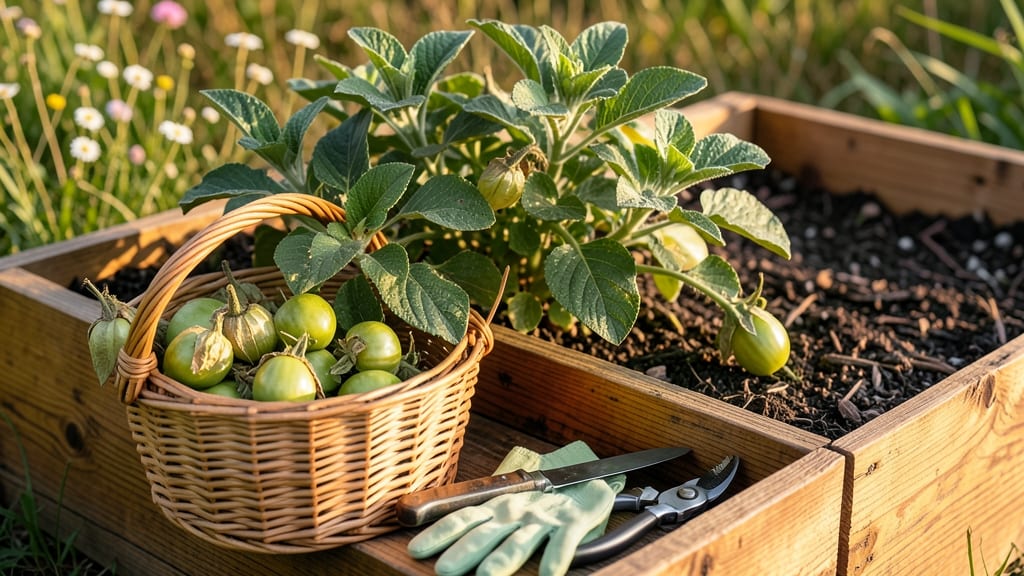
Harvest tomatillo plants when the fruit reaches 1-2 inches and turns a bright, even green 🌱 — that’s the sweet spot for maximum tartness.
If you’ve ever bitten into a mealy tomatillo or wondered why your salsa tastes bland, timing is the key. Waiting too long dulls their signature tang, while picking too early means underdeveloped flavor.
The difference between a vibrant green husk and a pale, mushy one is just a few days of patience.
For gardeners in Zone 6a, this usually falls between July and September, but heat waves or late springs can shift the window. Below, I’ll break down the three visual cues that guarantee you’re harvesting at peak ripeness — no guesswork required.
Once you master these signs, you’ll never overlook a perfect batch again. Ready to transform your garden’s harvest into restaurant-quality salsa? Let’s dive in.

3 Visual cues to identify perfectly ripe tomatillos
Harvesting tomatillos at the right moment transforms their tart flavor from bland to explosive. Unlike tomatoes, these green husk-covered fruits don't ripen on the vine after picking—so timing is everything.
I’ve learned the hard way that waiting too long turns them mealy, while harvesting too early leaves you with sour, underdeveloped fruits. The key lies in three visual and tactile cues that reveal peak ripeness.
First-time growers often overlook the husk color, assuming all green means ready. But the perfect tomatillo husk has a bright, papery green that’s slightly translucent when held up to light.
Overripe husks turn yellowish or brown, while unripe ones stay dull and closed tightly. This subtle color shift is your first clue that the fruit inside is ready for harvest.
🌱
- 1. Husk Color: Bright papery green (not yellow or brown)
- 2. Fruit Size: 1-2 inches in diameter (like a golf ball)
- 3. Firmness: Slightly waxy skin that yields gently when pressed
The second cue focuses on size and shape. At peak ripeness, tomatillos reach 1-2 inches in diameter, roughly the size of a golf ball. They should feel uniformly round with no flat spots from uneven growth.
I measure mine against a standard golf ball (which I keep in my gardening tool pouch) to avoid guessing. Smaller fruits lack flavor development, while larger ones often become woody or fibrous.
Don’t be fooled by green color alone—some varieties stay green even when overripe. Instead, look for a slightly waxy sheen on the skin, which indicates proper sugar development. When I run my thumb over a ripe tomatillo, it feels smooth but yields slightly, like a firm apple.
If it feels mushy or squishy, it’s past its prime and will taste bland or fermented.
🌿
Regional growing conditions can tweak these cues slightly. In hotter climates, tomatillos may ripen faster and develop a lighter green hue, while cooler regions produce deeper green fruits that take longer to reach peak tartness.
I adjust my harvest timing by checking the local frost dates—if your first frost is in early October, aim to harvest by late September to avoid flavor loss from temperature drops.
One mistake I used to make was harvesting based on flower drop alone. While tomatillos do form after flowers, the fruit takes 60-90 days to mature—longer than many gardeners expect. I now mark my planting date and track days until I see the three key cues together.
This method ensures I never miss the optimal 3-5 day harvest window when flavor peaks.
📏
For container growers, these visual cues work the same, but pay extra attention to root constraints. Tomatillos in pots may ripen slightly faster due to limited space. I’ve found that pruning lower leaves improves airflow and can delay overripeness by 2-3 days.
If your plants are in containers, harvest when the husks start to loosen slightly—this indicates the fruit is ready to pick before the plant directs energy elsewhere.
Remember, the best tomatillos are those harvested in the morning after dew has dried. This timing preserves their crisp texture and bright acidity. Once picked, store them in a paper bag in the fridge for up to 2 weeks, but use them within 5 days for maximum flavor.
The sooner you turn them into salsa or stews, the better they’ll taste!
🌱
Tomatillo harvesting mistakes that ruin flavor (and how to avoid them)
Harvesting tomatillos at the wrong time can turn your tart dream into a mealy nightmare. Many gardeners make the same costly mistakes—like picking too early for underdeveloped flavor or waiting too long for overripe disappointment. The key is timing: balance between maturity and peak tartness.
One of the biggest mistakes is confusing ripe tomatillos with overripe ones. Overripe fruit loses its signature tang and becomes bland or even bitter. Meanwhile, harvesting too early means you’ll miss that bright green hue and firm texture that signal perfect ripeness.
Let’s fix these common errors before your next harvest.
⚠️ Warning: The #1 Harvesting Mistake
Ignoring weather conditions is a silent flavor killer. Tomatillos ripen faster in hot, dry weather (like July-August in Zone 6a) but slow down in cool or humid climates. Adjust your harvest window by checking for bright green color and 1-2 inch size—not just days since planting.
🌡️ Pro Tip: Harvest in the morning after dew dries to avoid mushy fruit.
Another frequent error is harvesting based on size alone. A 1-inch tomatillo might look ripe, but it’s often underripe and lacks flavor. Always pair size with color and firmness. A ripe tomatillo should be bright green (not yellowing) and slightly waxy to the touch—like a baseball’s grip.
Don’t fall for the myth that yellowing husks mean ripe fruit. The husk should stay green and tightly wrapped around the fruit. If it’s drying out or falling off, you’ve missed the window.
Even worse? Harvesting when the leaves start yellowing signals the plant is stressed, often leading to bitter tomatillos.
Regional differences also play a role. In hotter climates (like Zone 8+), tomatillos ripen 2-3 weeks faster than in cooler areas. If you’re in Zone 6a, aim for 75-90 days after planting.
Use a harvest journal to track your local timeline—note when your plants flower and adjust your schedule accordingly.
Finally, avoid overcrowding your harvest. Pick tomatillos every 2-3 days once they’re ripe to encourage more production. Leaving them too long on the plant can cause splitting or pests to move in.
Store freshly harvested tomatillos in a paper bag in the fridge for up to 2 weeks—but use them sooner for the best tangy kick.