
How To
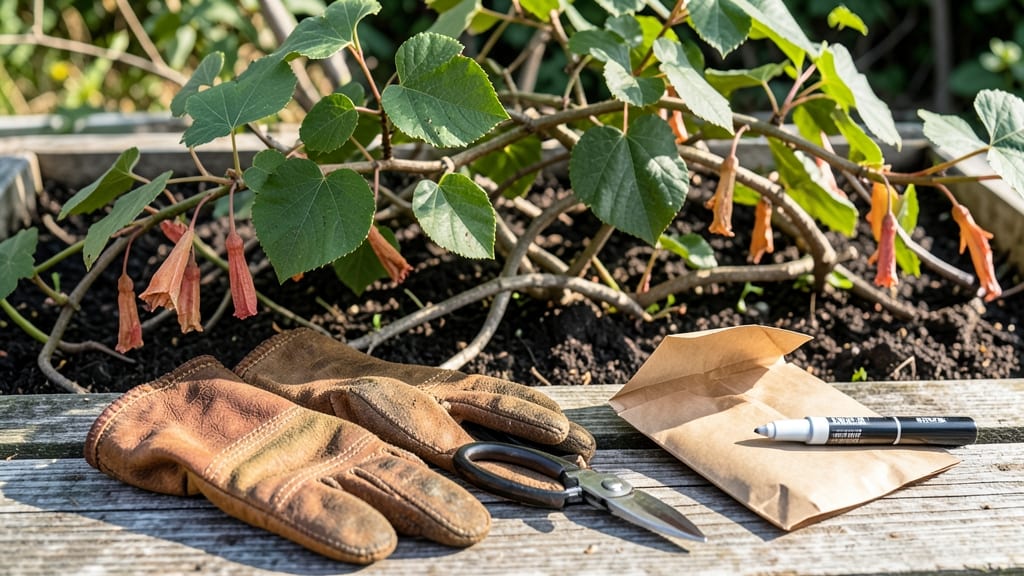
Harvest trumpet vine 🌸 seed pods when they turn brown and begin to split open naturally—this is the sweet spot for viable seeds and next year’s plants.
Timing the harvest wrong can mean the difference between thriving new vines and wasted effort. Too early, and the seeds won’t germinate; too late, and they’ll scatter before you can collect them. I’ve missed the window twice, and let me tell you—it’s not a feeling you want to repeat.
This guide breaks down the three tactile tests to nail the perfect harvest moment, from color shifts to the telltale rattle of mature pods. No more guessing, just reliable results for your garden.
You’ll also learn how to process and store the seeds properly, ensuring they stay fresh for planting. Whether you’re saving seeds for propagation or just curious about the process, these steps will set you up for success.

3 Tactile tests to determine trumpet vine seed pod ripeness
Harvesting trumpet vine seed pods at the right moment ensures high germination rates and healthy new growth. Unlike many plants, these pods don’t ripen uniformly, so you’ll need to rely on tactile cues rather than just visual signals.
The key is understanding the subtle changes in texture, color, and sound that indicate optimal ripeness.
Trumpet vine (Campsis radicans) seed pods mature between late summer and early fall, typically in August through October in most growing zones. Missing these cues can lead to underripe seeds that won’t sprout or overripe pods that crumble apart before you collect them.
That’s why I’ve developed these three simple tests to help you determine the perfect moment to harvest.
Press a pod gently—ripe pods feel leathery but dry, not soft or brittle. If it squishes easily, it’s too early; if it crumbles, it’s past prime.
Look for dull brown pods with no green remaining. Yellowing pods are still maturing, while fully brown pods are ready for harvest.
Shake a pod near your ear—ripe seeds will rattle loudly inside. A hollow sound means the seeds are dry and ready for collection.
Start your tactile tests in the morning when pods are cool and dry. Early morning light also helps you spot color changes more clearly. Avoid testing after rain, as moisture can distort the firmness and sound cues, leading to incorrect assessments.
For the firmness test, focus on pods near the end of branches, as they tend to ripen first. Use your thumb and forefinger to press gently—ripe pods should resist slight pressure but not feel rock-hard.
If the pod gives way like a ripe avocado, it’s not ready yet. Overripe pods will crumble when touched, making them impossible to harvest intact.
The color test is your first visual clue, but don’t rely on it alone. Some pods may turn brown prematurely due to drought stress or sun exposure. Always confirm with the firmness and sound tests.
Look for uniform brown coloration across the entire pod, not just patches. A pod with green streaks is still maturing and should be left on the vine for another week.
My favorite test is the sound test because it’s the most reliable indicator of seed viability. Hold a pod close to your ear and shake it gently. You should hear a loud rattling from the seeds inside.
If the sound is muffled or absent, the seeds are either underdeveloped or too dry. This test works best with fully brown pods, so combine it with the other two for accuracy.
Once you’ve confirmed ripeness, harvest pods by twisting them gently from the vine. Avoid cutting stems, as this can damage the plant. Place harvested pods in a paper bag to allow airflow while preventing moisture buildup.
Store them in a cool, dry place for 1-2 weeks to complete the drying process before extracting seeds.
Timing your harvest correctly ensures you’ll have viable seeds for next season’s garden. By mastering these three tactile tests, you’ll never miss the perfect moment to collect trumpet vine seed pods again. Happy harvesting! 🌸
Step-by-step guide to harvesting and processing trumpet vine seeds
Once you’ve identified your trumpet vine seed pods as ripe using the tactile tests, the next critical step is harvesting them properly to preserve germination viability. Handling these pods gently is key—rough treatment can damage the seeds inside or cause them to scatter prematurely.
Work on a dry, sunny day when humidity is low, as moisture accelerates seed spoilage. I’ve found that early morning harvests yield the best results, as dew hasn’t settled yet, reducing the risk of mold.
Gather your tools first: a pair of clean pruning shears, a paper bag or breathable cloth sack, and a sharp knife or scissors for stubborn pods. Avoid plastic bags—they trap moisture and can cause seeds to rot.
If your vine is tall, use a stable ladder or pruning pole to reach higher pods safely. Always cut the stem just above the pod to prevent tearing the vine’s bark, which could invite pests or disease.
How to Harvest Trumpet Vine Seed Pods
- 1 Collect pods at peak ripeness: Harvest only when pods are dry, brown, and slightly cracked. Avoid green or unopened pods—they won’t germinate.
- 2 Cut stems cleanly: Use pruning shears to snip the stem 1-2 inches above the pod. This prevents vine damage and makes storage easier.
- 3 Store pods in breathable containers: Place pods in a paper bag or mesh sack to allow airflow. Avoid plastic—it traps moisture and reduces seed viability.
- 4 Dry pods indoors: Spread pods on a clean, dry surface (like newspaper or a screen) in a warm, dry location for 1-2 weeks. Avoid direct sunlight—it can overheat and damage seeds.
- 5 Extract seeds gently: Once pods are completely dry, crush them by hand or with a mortar and pestle to release seeds. Sift through debris to isolate clean seeds.
- 6 Store seeds in airtight containers: Place seeds in a glass jar or envelope with a desiccant packet to absorb moisture. Label with the harvest date and store in a cool, dark place.
After harvesting, processing trumpet vine seeds correctly is just as important as timing. I recommend air-drying pods indoors for 1-2 weeks in a well-ventilated area before extracting seeds. This slow, natural process prevents mold and ensures seeds remain viable.
Once dry, gently crush the pods with your hands or a mortar and pestle to release the seeds. Avoid using machinery—it can generate heat and damage the delicate seeds.
For long-term storage, place seeds in paper envelopes or glass jars with a silica gel packet to control humidity. I’ve had success storing seeds this way for up to 2 years without losing germination potential.
Always label your containers with the harvest year—older seeds may require stratification (cold treatment) to break dormancy.
One pro tip I’ve learned is to test a few seeds before storing the rest. Place them in a moist paper towel in a sealed bag and refrigerate for 2 weeks. If they sprout, your batch is viable.
If not, you may need to re-harvest next season or adjust your drying methods. Properly processed and stored seeds can yield 90% germination rates, making the effort well worth it.