
How To
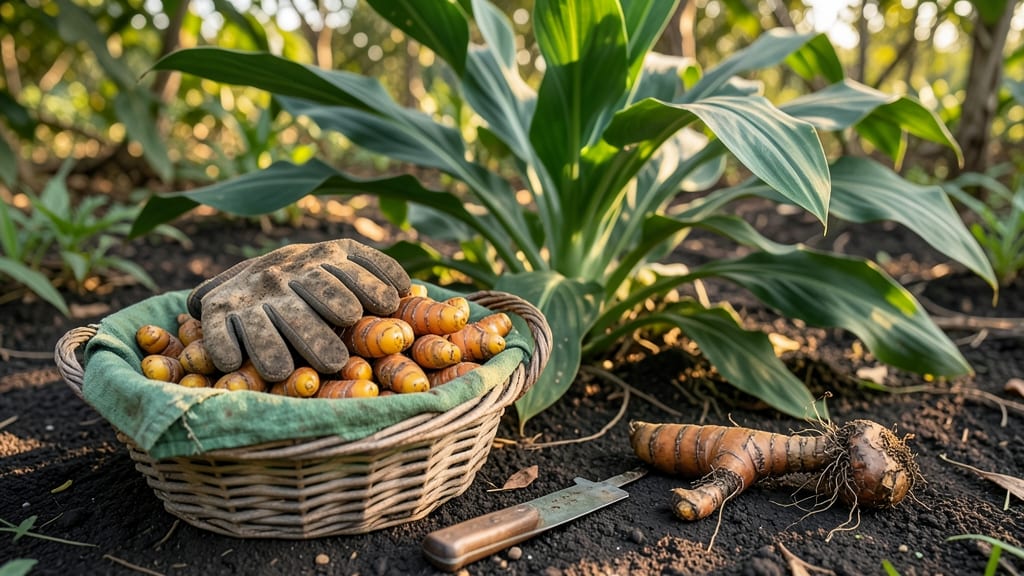
Harvesting turmeric at the right time means golden rhizomes packed with flavor and medicinal power 🌿 — and missing the window can leave you with bitter, underdeveloped roots.
Picture this: you’ve nurtured your turmeric plants all season, but when you finally dig them up, the rhizomes are small, pale, or still tough to cut. That’s the difference between peak harvest timing and wasted effort.
Knowing when to pull your turmeric comes down to three key clues: the color of the rhizomes (they should turn golden-brown), the yellowing and drying of the leaves, and the size of the roots (aim for 1-2 inches in diameter).
In this guide, I’ll walk you through each step—from spotting the perfect visual cues to handling the harvest for maximum potency—so you never miss the sweet spot again.

How to identify turmeric root color changes for perfect harvest timing
Understanding turmeric root color changes is key to harvesting at peak potency. The rhizome color progression from white to yellow to golden-brown directly correlates with curcumin content and flavor intensity. When you spot these shifts, you know your turmeric is ready for harvest.
Freshly planted turmeric rhizomes start as white or pale yellow underground. This initial stage lasts about 3-4 months as the roots establish. During this time, focus on maintaining consistent moisture and partial shade to encourage healthy growth.
As the growing season progresses, the rhizomes begin developing yellow patches around the 5-6 month mark. This color change signals the plant is redirecting energy from leaf growth to rhizome maturation. The yellow hue indicates increasing curcumin production, which gives turmeric its signature anti-inflammatory properties.
Here's when to watch for these critical color shifts and what they mean for your harvest:
The golden-yellow stage (7-8 months) is ideal for fresh use, while the deep golden-brown (9-10 months) offers maximum curcumin content and longer storage life. In USDA Zone 6a, this typically aligns with late summer to fall harvests between October and December.
For tropical climates, harvest timing shifts slightly—expect golden-yellow rhizomes around 6-7 months due to longer growing seasons. Always check for leaf yellowing alongside root color changes, as this confirms the plant is ready for harvest.
If you harvest too early, the rhizomes will be small and pale, lacking the bold flavor and medicinal benefits of mature turmeric. Conversely, waiting too long risks over-mature roots that may become woody or split during digging.
Pro tip: Gently brush away soil from a small test rhizome to check color. If it's golden-yellow with minimal white, it's harvest-ready. This non-destructive check helps you time your harvest perfectly without risking the entire crop.
Remember that seasonal variations affect timing—cooler climates may need 10-12 months for full maturation, while warmer regions can harvest in 7-8 months. Always prioritize root color over calendar dates for the best results.
When you see those vibrant golden-brown rhizomes peeking through the soil, you'll know you've timed your harvest perfectly for maximum flavor and potency. 🌱
Leaf yellowing and other visual cues that signal harvest time
When growing turmeric, one of the most reliable indicators of harvest readiness is leaf yellowing. Unlike nutrient deficiencies, which cause patchy yellowing, harvest-time yellowing spreads evenly from the bottom leaves upward.
This natural senescence signals the plant is redirecting energy to its rhizomes, where the prized golden compounds develop.
The process begins 8-10 months after planting, typically in late fall when days shorten. You’ll notice older leaves curling and drying first, followed by a gradual yellowing that moves upward. This pattern differs from stress-related yellowing, which often appears suddenly and may include brown edges or wilting.
Pay attention to the consistency of the color change—uniform yellowing is a good sign.
⚠️ CALLOUT-WARNING ⚠️
Don’t Mistake Stress for Harvest Readiness!
False signals: Sudden yellowing with brown spots = fungal infection or overwatering. Uneven yellowing = nutrient deficiency (especially nitrogen). True harvest cues: Even yellowing + dry stems + golden rhizome tips peeking above soil.
Beyond leaf color, check the stem softness and rhizome visibility. Gently tug on the outer leaves—if they pull away easily, the rhizomes are mature. You should also see small golden knobs (the rhizomes) protruding from the soil surface.
These are nature’s way of telling you it’s time to harvest before the first frost damages the roots.
Another key visual cue is the leaf texture. Healthy turmeric leaves are thick and waxy, but at harvest time, they become papery and brittle. Run your fingers along the stems—if they feel dry and hollow, the plant is ready.
This dryness coincides with the rhizome skin turning golden-brown, which is your final confirmation that the curcumin content is at its peak.
Timing is critical because over-maturing rhizomes lose their vibrant color and become woody. If you see leaves turning brown and crispy while the rhizomes remain small, wait 2-3 weeks. Conversely, if you harvest too early (when leaves are still half-green), the rhizomes will be underdeveloped and lack potency.
The ideal window is when 50-70% of leaves are yellow and the soil feels slightly dry at the surface.
For gardeners in warmer climates (USDA Zone 8+)**, harvest between October and December when nighttime temperatures drop below 65°F (18°C). In cooler zones (Zone 6-7), aim for late September to early November before the first frost.
Always harvest on a dry, sunny day to prevent soil-borne diseases from affecting your crop.