
How To
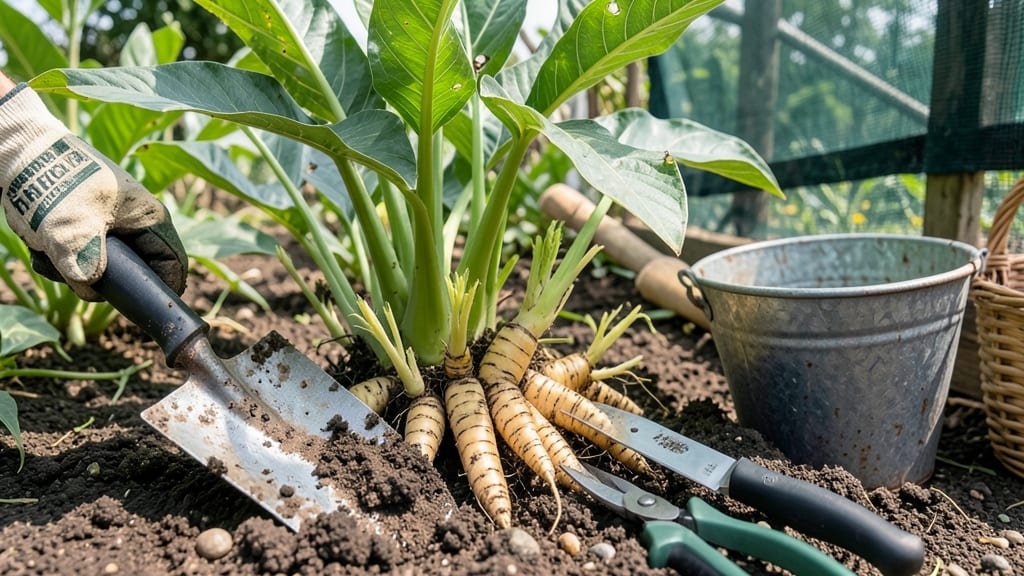
Harvesting turmeric at the right time means the difference between a bold, golden root packed with flavor and a weak, underwhelming one.
Picture this: you’ve nurtured your 🌿 turmeric all season, watching those leaves turn from vibrant green to a crisp yellow—only to dig up rhizomes that are still soft and pale. That’s the cost of timing it wrong, and it happens more often than you’d think.
In USDA Zone 6a, the best window is late October to November, when the rhizomes reach 1-2 inches thick and feel firm to the touch. But how do you know for sure? Below, I’ll show you the simple finger-nail test and other visual cues that guarantee peak potency.
You’ll also learn how climate shifts—like shorter days or cooler temps—can trick your plants into maturing faster (or slower), plus how to salvage a harvest if you miss the window. Ready to nail it next season?

How to test turmeric hardness for optimal harvest timing
Harvesting turmeric at the wrong time can ruin months of effort—your rhizomes might be too soft, pale, or lacking that signature golden-orange hue. The key to perfect turmeric lies in testing rhizome hardness using a simple finger-nail trick.
When done right, you’ll unlock maximum potency and bold flavor in your harvest. Let’s dive into the exact method I use every season.
Timing matters because underripe turmeric tastes bland and lacks curcumin, while overripe rhizomes become fibrous and bitter. The finger-nail hardness test is your secret weapon—it’s fast, foolproof, and works even for beginners.
Pair this with visual cues like leaf yellowing and rhizome size, and you’ll never miss the perfect harvest window again.
Step-by-Step Finger-Nail Hardness Test
- Step 1: Wait for leaf signals Look for yellowing leaves that start to wither—this means the plant is redirecting energy to the rhizomes.
- Step 2: Gently dig up a test rhizome Use a trowel to expose 1-2 rhizomes per plant. Avoid damaging the main roots.
- Step 3: Perform the nail test Press your fingernail into the rhizome skin. If it barely leaves a mark, it’s ready to harvest.
- Step 4: Check size and color Ideal rhizomes are 1-2 inches thick, golden-brown, and feel dense when held.
- Step 5: Replant or harvest If rhizomes pass all tests, harvest the entire plant. If not, wait 1-2 weeks and retest.
Why does this test work? The rhizome skin’s toughness correlates directly with starch accumulation, which boosts flavor and color. A soft rhizome means it’s still storing energy, while an overripe one becomes woody.
I’ve found that rhizomes ready for harvest also have a slightly waxy texture—almost like a small potato.
Visual cues are just as important as the nail test. Aim for 1-2 inch thick rhizomes with a brownish-golden skin. The leaves should be mostly yellow and crispy, not just slightly wilted.
If your rhizomes are still pale yellow or under 1 inch thick, give them another 3-4 weeks to mature.
Potency peaks when rhizomes are firm but not woody. Overripe turmeric loses its aromatic compounds and becomes fibrous, while underripe turmeric lacks the deep orange pigment and earthy taste. The nail test eliminates guesswork—no more harvesting too soon and ending up with weak, watery rhizomes!
Pro tip: Harvest on a dry, sunny morning after the dew has dried. This reduces moisture in the rhizomes, making them easier to clean and dry later.
I always rinse them briefly in cool water to remove dirt, then let them air-dry in a shady, well-ventilated spot for 5-7 days.
If you’re growing turmeric in warmer climates, harvest earlier in the season (late summer). In cooler zones, wait until early fall when temperatures drop slightly. The nail test works year-round—just adjust your timing based on your local first frost date and daylight hours.
Remember: Patience pays off with turmeric. Rushing the harvest means sacrificing flavor and potency. Once you master the nail test, you’ll consistently grow vibrant, high-curcumin turmeric that rivals store-bought—and often tastes better! 🌱
Best time of year to harvest turmeric by climate zone
Timing your turmeric harvest right depends heavily on your climate zone. In tropical climates, turmeric thrives year-round, while temperate zones require precise seasonal coordination. Daylight hours and temperature shifts trigger maturity—understanding these patterns ensures you harvest at peak potency.
Let’s break down the ideal windows for each growing region to maximize flavor and curcumin content.
Turmeric’s growth cycle typically spans 8-10 months, but local conditions can shorten or extend this. In subtropical zones, cooler winters may slow growth, while temperate climates often rely on warm summers to push rhizomes to full maturity.
Pay attention to leaf color and rhizome firmness—these are your best indicators, regardless of where you garden.
In tropical climates, turmeric grows continuously, so you can harvest year-round with peak flavor in October through February. The long daylight hours (12+ hours) keep plants energized, but watch for rhizome thickness—aim for 1.5 inches or more before digging.
If you’re in subtropical zones, focus on late summer to early fall when temperatures drop slightly and daylight shortens.
For temperate zone gardeners, timing is critical. Harvest in October or November, just before the first frost, when leaves turn yellow-brown and rhizomes reach finger-nail hardness.
Miss this window, and you risk underdeveloped roots or frost-damaged plants. In cooler regions, consider extending the season with row covers or containers for earlier planting.
Temperature shifts play a surprising role in maturity. As daylight shortens in fall, turmeric redirects energy to rhizome development instead of leaf growth. This natural shift is your cue to harvest—ignore it, and you’ll end up with smaller, less potent roots.
Always dig a test rhizome to check firmness; if it resists your fingernail, it’s ready.
Pro tip: In temperate climates, if frost threatens before maturity, harvest early and dry the rhizomes indoors. They’ll lack full potency but still yield usable roots. Conversely, tropical gardeners can harvest multiple times per year by spacing plants at different intervals.