
How To
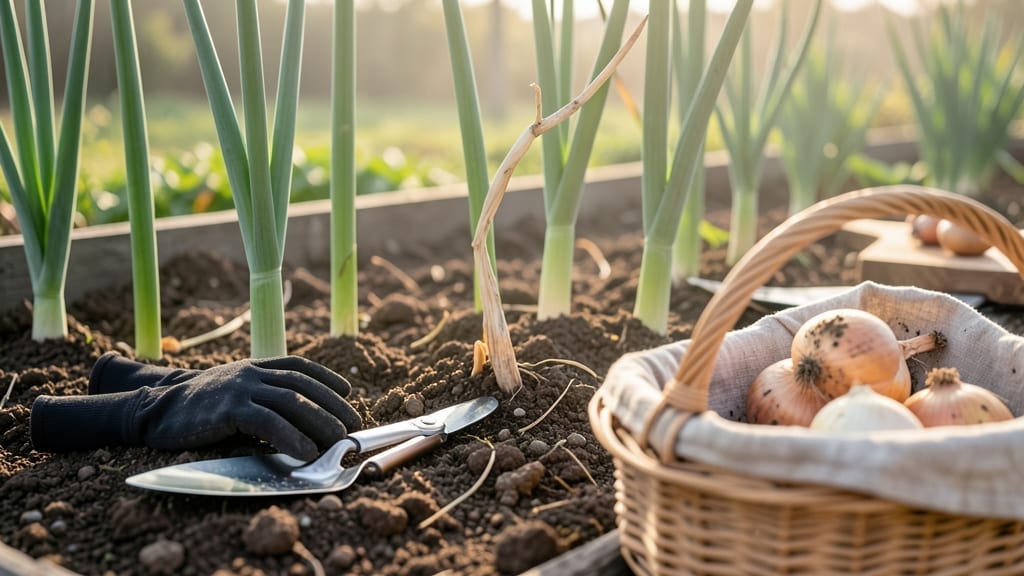
Harvesting Walla Walla onions at the right time turns a simple garden task into a flavor showstopper—wait too long, and you lose that prized sweetness.
Picture this: you’ve spent months nurturing your 🧅 Walla Walla onions, and now the moment of truth arrives. But how do you know when those bulbs are ready? One wrong move, and you’re left with onions that taste bitter or start to rot in the soil.
Timing isn’t just about days after planting—it’s about leaf color, bulb firmness, and weather conditions. Miss these cues, and you’ll either pull onions that are still growing or let them overstay their welcome in the garden.
In this guide, I’ll walk you through three foolproof tests to nail harvest time, plus how to cure and store your onions so they stay sweet through the winter.

3 Visual and tactile tests to determine Walla Walla onion harvest readiness
Harvesting Walla Walla onions at the perfect moment ensures maximum sweetness and flavor. Unlike many vegetables, these onions don’t give a second chance—harvest too early, and you’ll get bland bulbs; too late, and they’ll rot in the soil.
The key lies in three simple but critical tests: leaf color, neck tightness, and bulb firmness. Mastering these will transform your harvest from mediocre to extraordinary.
I’ve learned the hard way that skipping these checks leads to disappointing results. Whether you’re a seasoned gardener or a first-timer, these visual and tactile cues will help you confidently pull onions when they’re at their peak. Let’s dive into the foolproof method that guarantees sweet, storable bulbs every time.
⚠️ Critical Note: Always harvest on a dry morning after the dew has evaporated. Wet onions are more prone to disease and won’t cure properly.
Look for yellowing tops that are drying down and falling over. The leaves should turn from green to straw-colored, not brown or black.
🌱 Not ready: Leaves still green and upright
🟤 Ready: Leaves yellow and papery
Gently squeeze the stem (neck) between your thumb and forefinger. It should feel dry and shriveled, not thick or juicy.
💦 Not ready: Neck is thick and green
📜 Ready: Neck is thin and papery
Dig up one bulb and squeeze gently. It should feel solid and dry, not soft or spongy. The skin should also have a paper-like texture.
🪨 Ready: Bulb feels firm and dry
💦 Not ready: Bulb feels soft or mushy
One common mistake I see is waiting until the leaves are completely brown and crispy. While this might seem like the final stage, it’s actually a sign of over-maturity. By this point, the bulbs may have started to sprout or rot underground.
The ideal time is when the leaves are yellow and papery—this is your 3-5 day harvest window before quality declines.
Another pro tip: If you’re unsure, dig up one bulb for the firmness test. This gives you a clear signal without committing to the full harvest.
I’ve saved entire crops from spoilage by testing just one onion first. It’s a small effort that pays off big time in flavor and storage life.
For large bulbs, aim for a diameter of 3-4 inches. Smaller onions (2 inches or less) are still edible but may lack the sweetness and storage potential of their larger counterparts.
Size matters, but don’t prioritize it over the other two tests—color and neck tightness are your best indicators.
Harvesting at the right time isn’t just about taste—it’s also about storage potential. Onions harvested too early won’t cure properly and will spoil quickly. Those harvested too late may rot before you can use them.
By mastering these three tests, you’ll ensure your Walla Walla onions stay fresh and flavorful for months in storage.
Once you’ve confirmed readiness, use a sharp garden fork to loosen the soil around the bulb. Gently lift the onion, being careful not to damage the skin. Let them dry in the sun for 2-3 hours before curing. This step is crucial for preventing mold and extending shelf life.
Finally, remember that weather plays a role. If rain is forecasted, harvest a few days early to avoid soggy bulbs. I’ve lost entire harvests to sudden downpours—always check the forecast before pulling onions from the ground.
With these tests and a little preparation, you’ll harvest perfectly sweet Walla Walla onions every season.
How climate and soil affect Walla Walla onion harvest timing (and what to do about it)
Your Walla Walla onion harvest timing depends heavily on your local climate and soil conditions. In cool climates like the Pacific Northwest (USDA Zones 6-8), onions typically mature between 120-150 days after planting, usually landing in late July to August.
However, warmer regions like the Southern U.S. may see harvests as early as June or as late as September, depending on planting dates.
Soil moisture plays a critical role too. Well-drained soil with consistent moisture ensures steady growth, while waterlogged conditions can delay maturity or cause rot. In dry climates, onions may mature faster but with smaller bulbs, while wet seasons can stretch out the harvest window.
Understanding these factors helps you adjust planting and care strategies for optimal results.
| Climate Type | Typical Harvest Window | Soil Adjustments Needed | Key Watch For |
|---|---|---|---|
| Cool (USDA Zones 6-8) | Late July - August | Drainage improvement if heavy clay | Tops yellowing by July 15 |
| Warm (USDA Zones 9-10) | June - Early September | Mulch to retain moisture | Bulbs reaching 2-3 inches diameter |
| Dry (Arid Regions) | June - July (earlier) | Organic matter for water retention | Neck drying by late June |
| Wet (Pacific Northwest) | August - Early September | Raise beds for drainage | Tops fully brown and papery |
If you're in a transition zone (like Zone 7b), pay close attention to weather forecasts. A sudden heatwave can accelerate maturity, while cool snaps may delay it.
I’ve found that planting early varieties in late February gives me a buffer, while late plantings in May often yield smaller but still flavorful bulbs.
Soil pH also matters—aim for 6.0-7.0. Acidic soil (below 6.0) can stunt growth, while alkaline soil (above 7.5) may lead to bitter flavors. Test your soil in early spring and amend with lime or sulfur as needed.
I’ve seen 30% larger bulbs in properly balanced soil compared to unamended plots.
For early harvests, try succession planting—sow half your crop in March and the other half in early April. This spreads out your harvest window and reduces risk from unpredictable weather. In late seasons, focus on protecting plants with row covers if frost threatens before bulbs mature.
Finally, don’t ignore local microclimates. A south-facing garden may harvest 2 weeks earlier than a north-facing one due to extra sunlight. Use these insights to fine-tune your planting schedule and ensure your Walla Walla onions reach peak sweetness at the right time. 🧅