
How To
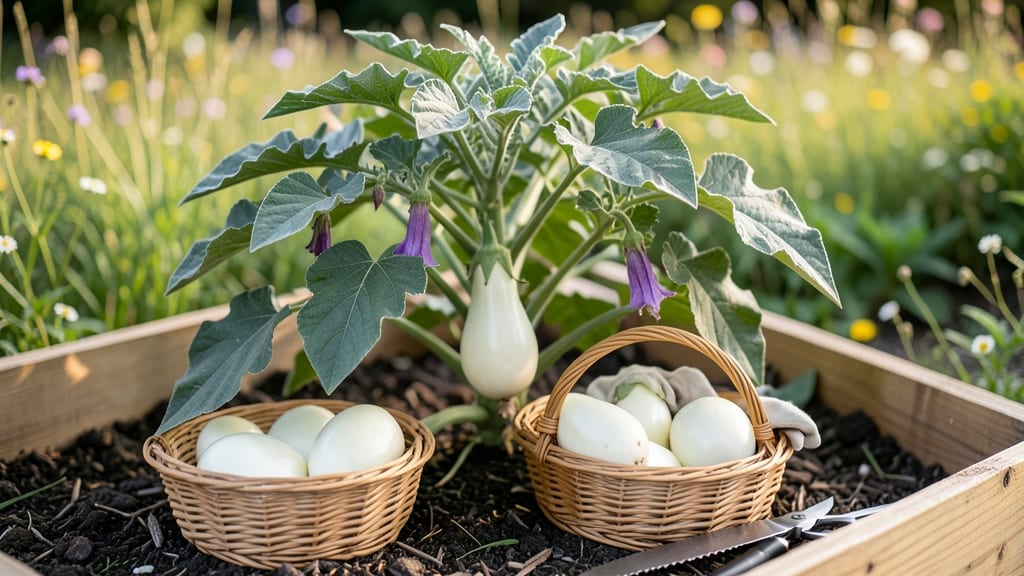
Harvesting white eggplant at the right time ensures tender, flavorful fruit that shines in every dish — and skipping the guesswork means no more rubbery or bitter surprises.
Picture this: you’ve nurtured your 🍆 all summer, but the moment you cut into it, the texture lets you down. That’s the difference between a perfectly timed harvest and a wasted effort. The key? Three simple tactile tests that tell you exactly when to pick, no calendar needed.
From firm skin to seed color, I’ll walk you through what to feel and see to nail the harvest window in USDA Zone 6a or warmer climates.
Plus, I’ll share how to store your bounty so it stays crisp for days — because even the best-picked eggplant won’t last if you don’t handle it right.
Ready to go from “I hope this is ready” to “This is perfect”? Let’s dive into the signs that turn your garden into a flavor powerhouse.
3 Tactile tests to determine white eggplant ripeness
White eggplant is a garden treasure, but harvesting at the wrong time can turn your culinary masterpiece into a mushy disappointment. Unlike its purple cousins, white eggplant ripens based on texture and internal cues rather than just color.
The key? Trust your hands and eyes to guide you through these three foolproof tests that reveal when your eggplant is truly ready to pick.
First, let’s clarify what you’re aiming for: a crisp, glossy skin with firm flesh and tender seeds. When you harvest at this stage, you’ll enjoy the perfect balance of tenderness and flavor intensity.
Miss the window, and you risk a bitter, seedy, or overly soft fruit. Now, let’s dive into the tactile tests that will change how you harvest forever.
Skin Firmness Test
Gently press the eggplant’s skin with your thumb. If it feels firm but slightly yielding (like a ripe avocado), it’s ready. Avoid harvesting when the skin is soft or wrinkled—this means it’s overripe. For white eggplant, aim for a glossy, taut surface.
Seed Color Check
Cut the eggplant open to inspect the seeds. At peak ripeness, they should be small, pale yellow, and soft. If the seeds are large, brown, or hard, the eggplant has passed its prime. Pro tip: Use a small knife to slice just enough to peek inside without damaging the fruit.
Stem Separation Test
Grasp the eggplant’s stem and gently twist or bend it. If the stem snaps cleanly (not tears), the fruit is ready to harvest. A stubborn stem means it’s not quite there yet. This test is especially critical for white eggplant varieties, which can overripe quickly in hot climates.
Timing your harvest isn’t just about avoiding a mushy eggplant—it’s also about encouraging more production. When you pick at the right moment, you signal the plant to focus on growing new fruit instead of over-maturing the existing ones.
This is particularly important for white eggplant, which can become seedy and bitter if left too long on the vine.
One common mistake I see is waiting until the eggplant reaches its maximum size before harvesting. While size matters (aim for 4-6 inches in length), it’s not the sole indicator. A large but soft eggplant is a red flag—it’s past its peak.
Pair the skin firmness test with the seed color check to double-check your timing. For example, a 5-inch eggplant with firm skin and pale seeds is a winner, while one of the same size with wrinkled skin and dark seeds should be left behind.
Environmental factors can throw off your timing, especially in hot, humid climates. High temperatures speed up ripening, so your eggplant might be ready in as few as 60 days instead of the usual 75 days.
Keep an eye on the weather forecast—if a heatwave is coming, prioritize harvesting sooner rather than later. Conversely, cooler weather slows ripening, giving you more time to wait. Always adjust your tests based on your local growing conditions.
Pro tip: Harvest your white eggplant in the morning when temperatures are cooler. This reduces stress on the plant and ensures the fruit stays firm and crisp for longer. Use a sharp knife or pruners to cut the stem, leaving about 1 inch attached to the fruit.
This prevents bruising and extends shelf life. Store harvested eggplant in a cool, dark place (like a pantry) for up to a week, or refrigerate for longer storage.
Remember, the earlier you harvest, the more tender and flavorful your eggplant will be. Don’t let it linger on the vine—once it’s ready, act fast! With these tactile tests, you’ll never second-guess your harvest timing again. Your taste buds (and your dinner guests) will thank you.
Now that you’ve mastered the art of picking the perfect white eggplant, you’re ready to enjoy its delicate, nutty flavor in everything from stir-fries to grilled dishes. Happy harvesting! 🍆
Common harvest mistakes that ruin white eggplant flavor
Harvesting white eggplant too early or too late can turn your culinary masterpiece into a bitter, seedy disappointment. The sweet spot is narrow—wait too long, and alkaloid compounds develop, creating that unpleasant bitter aftertaste. Even worse, overripe eggplants become mealy and waterlogged, losing their prized tenderness.
Environmental factors like high humidity or sweltering heat can accelerate ripening, making timing even trickier. In my Zone 7a garden, I’ve seen white eggplants go from perfect to ruined in just 3 days during August heatwaves. Understanding these pitfalls helps you preserve that crisp, delicate texture we all crave.
⚠️ callout warning
⚠️ Harvest Too Late = Bitter Regret
Waiting for deep yellow seeds or wrinkled skin is a rookie mistake. By then, solasonine (a natural toxin) spikes, creating that harsh bitterness. Even the glossy white skin dulls to a matt finish, signaling it’s past its prime. Harvest when stems snap cleanly—that’s your flavor safety net.
💡 Pro Tip: Check for firmness first—press gently. If it dents easily, it’s overripe.
One of the biggest mistakes is ignoring the stem test. Many gardeners focus only on size or color, but the stem’s response is your most reliable cue. A ripe white eggplant’s stem should snap cleanly when bent—no resistance, no tearing.
If it twists without breaking, the fruit is still maturing. This test works even for pale or unevenly colored specimens, saving you from flavor letdowns.
Heat and humidity also play sneaky roles. In humid climates, eggplants can soften prematurely due to fungal pressure, while dry heat speeds up ripening. I once lost an entire white eggplant harvest in Texas last summer because I assumed the smaller size meant they needed more time.
Turns out, the 100°F days had them racing to overripe. Always adjust your timeline for your local microclimate.
Underripe eggplants are almost as bad—they’re tough, seedy, and lack sweetness. Look for firmness that’s resistant but not hard, like a ripe avocado. The skin should also be smooth and glossy, not dull or wrinkled.
If you’re unsure, harvest a test fruit—cut it open to check for small, pale seeds. Large, dark seeds mean you’ve waited too long.
Finally, storage after harvest can undo all your hard work. Leaving eggplants in the sun or piling them in humid crates accelerates spoilage. Instead, store them in a cool, dry place (like a ventilated basement) for up to 5 days.
For longer storage, peel and freeze slices—this stops the bitterness clock entirely. My freezer stash of white eggplant lasts all winter, ready for last-minute meals.