
How To
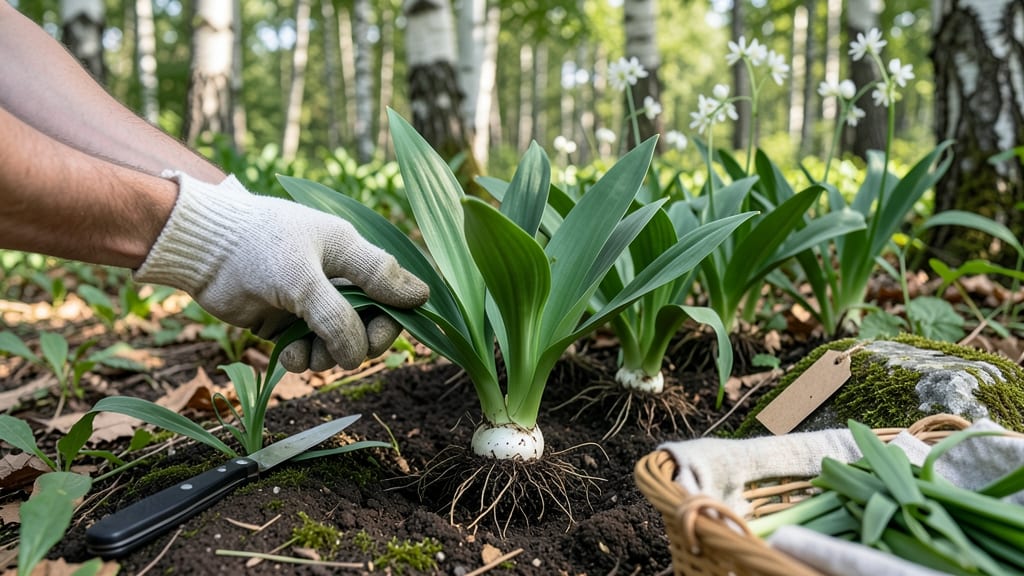
Harvesting wild garlic 🧄 at the right time means the difference between a bold, pungent flavor and something that tastes disappointingly mild—or even bitter.
Picture this: you’ve spotted a patch of the plant in a shady woodland or along a creek bank, its broad, glossy leaves just begging to be used in your next dish.
But if you pull them too early, you’ll miss the peak flavor, and if you wait too long, the leaves turn tough and the bulbs lose their punch. The secret lies in knowing exactly when those leaves are ready—and what to look for.
In most regions, including Zone 6a, the ideal window opens in late April to early June, when the leaves reach 6 to 12 inches and emit that unmistakable garlic scent when crushed.
But there’s more to it than just the calendar: the color, the texture, and even the flowers play a role in determining the perfect moment.
Below, I’ll walk you through the visual cues—from leaf width to flower stalks—and share storage tips to keep your harvest fresh, plus the mistakes that turn a great harvest into a flavor flop. Ready to make the most of your wild garlic?

How to identify wild garlic’s perfect harvest window using leaf color & size
Harvesting wild garlic at the right moment transforms its bold flavor from mildly pungent to intensely aromatic. The key lies in its leaves—specifically their color gradients, width, and overall health.
Unlike cultivated garlic, wild varieties thrive in partial shade and moist soil, making their harvest window shorter but more critical. Miss it, and you’ll end up with bitter, fibrous leaves or wasted flower stalks.
Timing your harvest depends on regional climate and whether you’re after leaves or flowering stalks. In most of the U.S., the prime window spans late spring to early summer (April–June), but cooler zones like the Pacific Northwest may extend it into July.
For leaves, aim for peak freshness before flowering begins—this ensures maximum potency and tenderness.
Start by examining the leaf width—mature wild garlic leaves should be ½-inch wide or broader. Younger leaves are narrower than a pencil (¼"), signaling they’re not yet ready.
Crush a leaf between your fingers: if it releases a sharp garlic aroma, it’s harvest-ready. If it smells mild or earthy, wait 1–2 weeks for full potency.
Watch for color gradients along the leaf blade. Healthy wild garlic displays a uniform deep green with no yellowing. Early signs of senescence (aging) include yellow tips or curling edges—these indicate the plant is redirecting energy to bulb or flower production.
Harvest before these cues appear to avoid bitter, fibrous leaves.
Regional timing shifts based on last frost dates. In Zone 5–6 (e.g., Midwest), wild garlic often emerges by mid-April and peaks in late May. Warmer zones like Zone 8–9 (e.g., Southern California) may see harvest windows stretch into July.
Always adjust for microclimates—shady forest floors stay cooler and delay maturity by 2–3 weeks.
For bulb harvests, wait until late summer (August–September) when leaves begin yellowing naturally. Dig carefully to avoid damaging nearby plants, as wild garlic spreads via rhizomes. Store bulbs in a cool, dry place with good airflow to prevent mold—a common issue with over-moist storage.
Never harvest leaves after the flower stalks emerge. This shifts the plant’s energy from leaf production to seed development, resulting in a 30% drop in flavor intensity.
If you miss the leaf window, focus on harvesting the umbel flowers or seed pods instead—they’re still edible but require different preparation.
Pro tip: Use a sharp pruning shear to cut leaves at the base, leaving 1–2 inches of stem. This encourages regrowth and extends your harvest window by 3–4 weeks.
Avoid pulling leaves, which can uproot the plant entirely. For bulb harvesting, use a hand trowel to gently lift clumps without tearing the rhizomes.
🌱
Wild garlic flower harvesting: when umbrellas signal peak flavor & how to use them
When wild garlic's umbrella-shaped flower heads appear, it’s nature’s signal that the plant has reached its peak flavor potential. These delicate blooms, often mistaken for chives or wild onions, mark the perfect time to harvest stems, flowers, and seeds for culinary use.
Unlike leaves, which should be harvested earlier, flowers offer a milder yet complex garlic taste that elevates dishes when used creatively.
The key to harvesting wild garlic flowers lies in understanding their three-stage maturity process: early bud formation, full bloom, and seed pod development. Each stage offers unique flavors and uses, from delicate floral notes to robust seed pods.
Knowing when to harvest ensures you capture the brightest flavor without bitterness or seed hardness. Let’s break down the visual cues and best practices for a successful harvest.
- 1 Early Bud Stage (Harvest Stems): Flower stalks reach 12-18 inches tall with tight, closed buds. Harvest stems here for mild garlic flavor—perfect for garnishes or early-season cooking.
- 2 Full Bloom (Harvest Flowers): Umbrella-shaped blooms open with white or pale pink flowers. This is peak flavor—harvest entire flower heads for delicate, floral garlic notes. Use within 3 days for freshness.
- 3 Seed Pod Stage (Harvest Seeds): Flowers wilt and form small brown seed pods. Collect seeds for long-term storage or let them self-seed. Avoid harvesting pods if you want next year’s crop!
Once you’ve identified the right stage, harvesting is simple. Use a sharp pair of scissors or pruning shears to cut flower stalks at the base, leaving 2-3 inches of stem to encourage regrowth. For full flower heads, gently twist them off to avoid damaging the plant.
Remember, wild garlic is a perennial, so careful harvesting ensures it returns year after year with even more abundant blooms.
The real magic happens in the kitchen. Wild garlic flowers can be used in three creative ways: as a garnish for soups and salads, infused into oils or vinegars, or dried for seasoning blends.
Their mild, sweet garlic flavor pairs beautifully with lemon, honey, or fresh herbs. For preservation, dry flowers in small bundles or freeze them in ice cube trays with water for easy use later in the year.
Don’t overlook the seed pods either! Once dried, they can be ground into a powdered garlic seasoning or used to grow more wild garlic. Store seeds in a cool, dark place in an airtight container for up to 2 years.
Whether you’re a forager, gardener, or home chef, wild garlic flowers add a unique, aromatic touch to your culinary adventures.
Pro tip: If you’re harvesting for culinary use, prioritize flower heads over seeds. The floral notes are at their peak during full bloom, while seed pods offer a more robust, earthy flavor. Experiment with both to discover your favorite way to enjoy wild garlic’s versatile harvest! 🌱