
How To
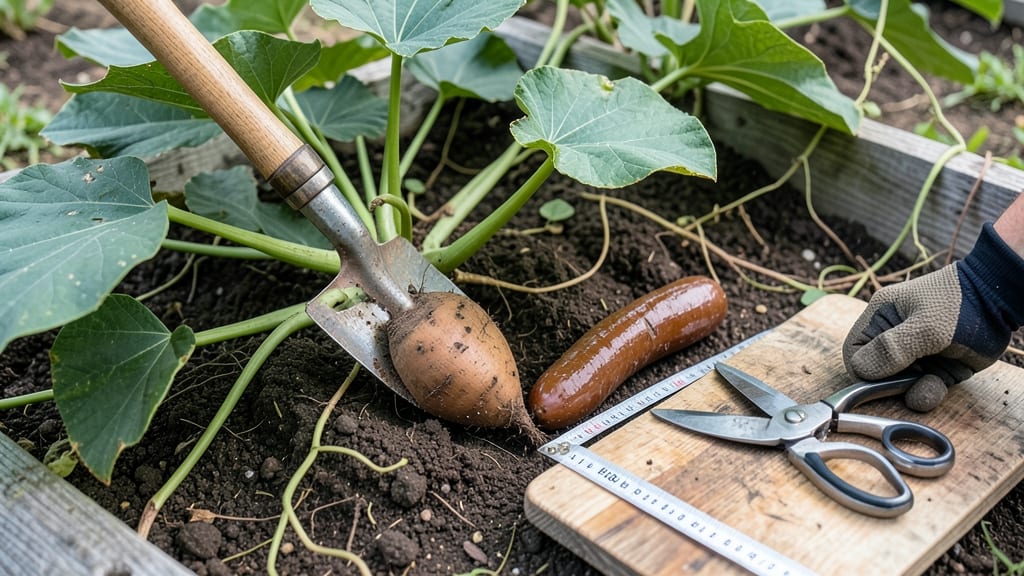
Harvesting yams at the right time means the difference between a sweet, starchy tuber and one that’s tough or underdeveloped. The key? Watching for the perfect moment when foliage yellows and tubers reach peak firmness—usually 9 to 12 months after planting.
Picture this: you’ve nurtured your 🍠 yams all season, and now the leaves are wilting, signaling it’s time to dig. But wait—harvest too early, and you’ll miss out on that rich, buttery texture.
Too late, and the tubers may crack or rot. I’ll show you how to use the finger-press test to nail the timing every time.
This guide covers the ideal harvest windows by variety (white, yellow, or purple yams), how climate affects sweetness, and the common mistakes that turn a great harvest into a disappointment.
Whether you’re in a temperate zone like USDA 6a or a warmer region, you’ll learn when to pull those tubers for the best flavor and storage life.
By the end, you’ll know exactly when to harvest yams—so you can enjoy homegrown sweetness that rivals store-bought (and tastes even better). Let’s get started!

How to use the finger-press test to determine yam harvest time
Yams thrive when harvested at peak maturity, and the finger-press test is my go-to method for pinpointing the perfect moment. Unlike sweet potatoes, yams develop starch content over time, so timing matters—too early, and they’ll be bland; too late, and they’ll turn woody or sprout.
This tactile test combines visual cues with a simple pressure check to confirm readiness.
Before diving in, I always start by observing the foliage. Healthy, green leaves signal growth, but when they begin yellowing or wilting, it’s a clear sign the tubers are maturing underground.
Pair this with the skin color—mature yams often develop a rough, brown or tan exterior, depending on the variety. But don’t rely solely on looks; the finger-press test seals the deal.
Select a dry, sunny afternoon to test your yams. Soil should be slightly dry (not muddy) for accurate results. Avoid testing after rain, as moisture can skew the firmness reading.
Gently part the soil around the base of the plant to expose a small section of tuber. Use a hand trowel if needed—aim for a 6-inch-long tuber for best results.
Press your thumb firmly into the tuber’s skin. If it resists pressure and leaves no dent, the yam is ready to harvest. If it yields or dents easily, wait 1-2 weeks and retest.
Run your fingers over the tuber’s surface. Mature yams have thick, tough skin that’s hard to pierce. If the skin feels soft or thin, the yam needs more time in the ground.
Measure the exposed tuber. Ideal harvest size is 6-12 inches long, though some varieties (like yellow yams) can grow larger. Smaller tubers may still develop flavor if left longer.
Once the tuber passes all tests, dig carefully with a fork or shovel to avoid damaging the skin. Shake off excess soil and cure in a warm, dry place for 3-5 days before storage.
Pro tip: I always test multiple tubers from the same plant, as maturity can vary slightly. For white yams, aim for a firm, creamy texture under pressure, while purple yams often need a slightly longer growing season to develop their signature color and sweetness.
Regional differences matter too. In tropical climates, yams may mature faster (as early as 8 months), while temperate zones like USDA Zone 6a often require 10-12 months.
I’ve found that soil temperature below 60°F slows tuber development, so adjust your harvest timeline if your growing season cools early.
One mistake I’ve made? Harvesting too late. Over-mature yams develop wooden centers and lose their signature sweetness. If you miss the window, store them in a cool, dark place (like a root cellar) and retest in 2-3 weeks
For first-time growers, I recommend marking your planting date and setting a harvest calendar 9-12 months later. Combine the finger-press test with foliage observations for foolproof results. With practice, you’ll develop a feel for when your yams are at their peak—just like reading a ripe fruit’s blush.
Optimal harvest windows by yam variety and seasonal conditions
Timing your yam harvest correctly ensures maximum sweetness and starch content—critical for flavor and storage potential. Different yam varieties mature at distinct rates, and seasonal conditions like temperature and rainfall can shift your harvest window by weeks.
For example, white yams often mature faster in warm climates, while purple yams may need cooler nights to develop their signature sweetness.
In tropical regions, yams typically reach harvest readiness in 9–12 months, but in cooler temperate zones, they may take 12–15 months. Frost risk is your biggest enemy—harvest before the first frost, or tubers will spoil underground.
Even a light freeze can turn starchy yams into a mushy mess, so monitor your local frost dates closely.
| Variety | Ideal Harvest Time | Climate Notes | Sweetness Peak |
|---|---|---|---|
| White Yam | 9–12 months (late fall) | Tropical: 80°F+; Temp: 70–80°F | Early harvest (sweeter) |
| Yellow Yam | 10–13 months (winter) | Temp: 65–75°F; Drought stress delays maturity | Mid-harvest (balanced starch) |
| Purple Yam | 12–15 months (late winter) | Cooler nights (55–65°F) enhance sweetness | Late harvest (deepest flavor) |
Rainfall plays a sneaky role in yam development. Too much moisture before harvest can dilute starch levels, while drought stress can make tubers tough and woody. Aim for consistent but not soggy soil in the final 6 weeks before digging.
If your region experiences heavy rains, schedule harvests during dry spells to avoid waterlogged tubers, which bruise easily and spoil faster.
For gardeners in USDA Zones 8–10, where frost is rare, focus on the finger-press test and leaf color—yellowing foliage signals readiness. In cooler zones (6–7), prioritize harvesting before the first frost, even if tubers aren’t fully mature.
Curing harvested yams in warm conditions (85–90°F) for 3–5 days after digging can improve flavor and storage life, especially for varieties like purple yams, which benefit from this process.
Pro tip: Keep a harvest journal! Note the planting date, variety, and seasonal conditions each year. Over time, you’ll spot patterns—like how your local humidity affects maturity—that let you fine-tune your timing.
For example, I’ve found that my yellow yams mature 2 weeks earlier in years with early summer rains.
Don’t overlook the role of soil temperature. Yams grow best in soil that stays above 60°F—cooler roots can stall development. If your spring is slow to warm, consider using black plastic mulch to speed up soil heating and jumpstart growth.
This small tweak can shave weeks off your harvest timeline in cooler climates.